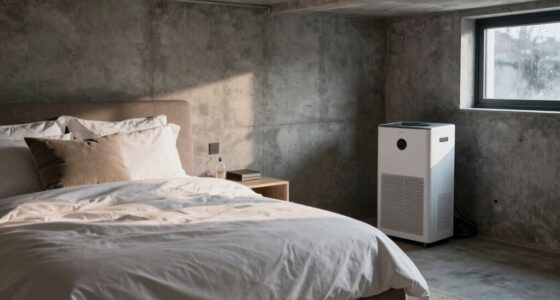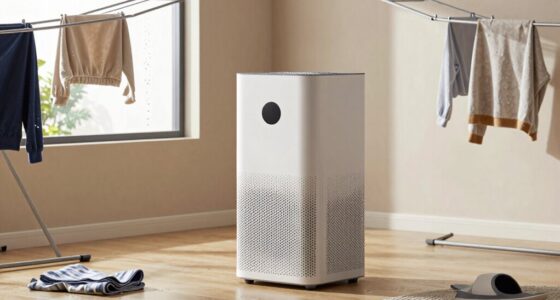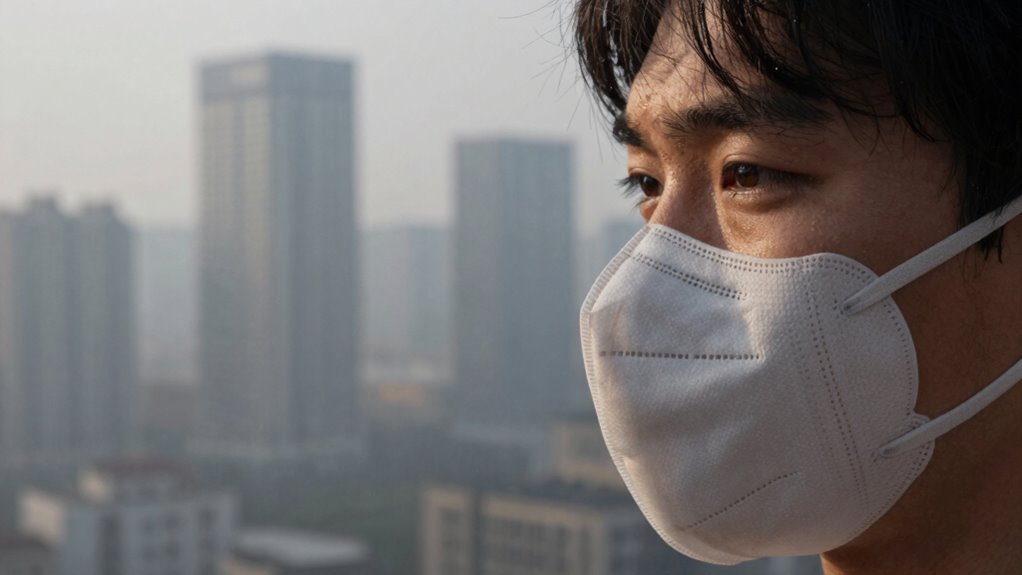

During allergy season, focus on improving indoor air quality by changing filters regularly, using HEPA filters, and keeping rooms well-ventilated while avoiding indoor smoking. Pay attention to outdoor conditions, especially during high pollen and pollution days, by limiting outdoor activities and wearing protective gear. After outdoor exposure, wash your clothes and hair to remove pollen. Managing both indoor and outdoor environments effectively can help reduce allergy symptoms; keep going to learn more tips for cleaner air.

Turn the school run and nap time into listening time
- Thousands of audiobooks, podcasts and originals
- Listen on your phone, tablet or Echo — also offline
- Cancel anytime
Key Takeaways
- Monitor daily air quality reports to avoid outdoor activities during high pollution or pollen peaks.
- Keep windows and doors closed to prevent outdoor allergens from entering indoor spaces.
- Use air purifiers and HEPA filters indoors to reduce airborne allergens and pollutants.
- Limit outdoor chores during peak pollen times and after windy days or rain.
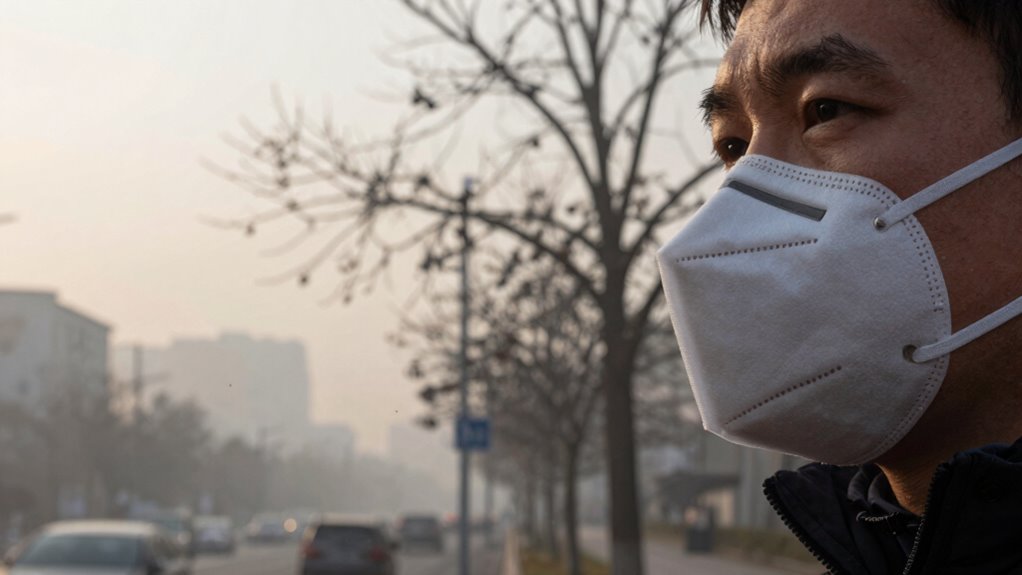
- Wear protective accessories like masks, sunglasses, and hats when outside during allergy season.
As allergy season ramps up, paying attention to air quality becomes essential for managing your symptoms. Your environment directly impacts how you feel, whether you’re indoors or outside. Indoor air quality can either alleviate or worsen allergy symptoms, so it’s crucial to keep it as clean and allergen-free as possible. Dust, pet dander, mold spores, and pollen can linger inside if you don’t take steps to improve ventilation and cleanliness. Regularly changing air filters, using HEPA filters, and keeping your living space well-ventilated help reduce indoor allergens. Avoid smoking indoors, as smoke particles can irritate your respiratory system and make allergy symptoms more severe. Additionally, control humidity levels to prevent mold growth, which can be a major allergen. Proper air circulation helps disperse indoor pollutants and reduces their concentration, further improving indoor air quality. Ensuring that air exchange systems are functioning effectively can also help remove stale air and bring in fresh air from outside. Maintaining adequate ventilation is particularly important during allergy season to ensure continuous removal of indoor allergens and pollutants.
When you step outside, outdoor pollutants become a significant factor in your allergy management. Pollen levels tend to spike during allergy season, but other pollutants like smog, vehicle emissions, and industrial pollutants can also trigger symptoms. It’s essential to stay informed about daily air quality reports in your area; if pollution levels are high, limit outdoor activities, especially during peak pollen times in the morning or late afternoon. Wearing sunglasses and a wide-brimmed hat can help prevent pollen from getting into your eyes, while a mask can filter out airborne particles when you need to be outside for extended periods. Keep windows and doors closed during high pollen days to prevent outdoor pollutants from entering your indoor environment.
You should also consider the timing of outdoor chores such as mowing the lawn or gardening, as these activities stir up pollen and other allergens into the air. Doing these tasks in the late afternoon or after a rain can help, since rain can wash pollen out of the air. When you return indoors, change your clothes and wash your hair to remove any pollen you’ve carried inside. Using a dehumidifier can help keep indoor air dry and discourage mold growth, which is another common allergen. It’s a good idea to keep air purifiers running in frequently used spaces to capture airborne allergens and pollutants, creating a cleaner indoor environment even during peak allergy seasons. Paying attention to indoor air quality and incorporating smart appliances like air purifiers can make a significant difference in allergy symptom relief. Ensuring proper ventilation and air filtration is a key component of air quality management during allergy season.
Products Worth Considering

Levoit Vital 100S-P Air Purifier with Washable Pre-Filter

Coway Mighty AP-1512HH(W) Air Purifier, White

Blueair Blue Pure 511i Max Smart Air Purifier
As an affiliate, we earn on qualifying purchases.
Frequently Asked Questions
How Do Indoor Air Purifiers Affect Allergy Symptoms?
Indoor air purifiers can considerably reduce allergy symptoms by improving air quality. Their effectiveness depends on allergen removal techniques like HEPA filters, which trap tiny particles such as pollen, pet dander, and dust mites. When you use the right air purifier, it actively cleans the air, lowering allergen levels. This helps you breathe easier and minimizes allergy flare-ups, especially during peak allergy seasons.
Can Air Quality Vary Significantly Within the Same Neighborhood?
Yes, air quality can vary considerably within the same neighborhood due to microclimate variations and local pollution sources. You might notice better air in shaded parks or areas with more greenery, while streets near busy roads or factories tend to have worse air quality. These differences happen because factors like altitude, wind patterns, and nearby pollution sources influence air quality levels, so it’s worth monitoring specific spots around your neighborhood.
What External Factors Influence Daily Air Quality Readings?
External factors like industrial pollution and vehicle emissions directly influence your daily air quality readings. When factories release pollutants or traffic increases, air quality worsens, especially during rush hours. Weather conditions also matter: wind can disperse pollutants, while calm days trap them. Stay aware of these factors, as they cause fluctuations that affect your allergy symptoms and overall health, making it essential to monitor local air quality reports regularly.
Are There Specific Times of Day When Air Quality Is Worse?
They say “the early bird catches the worm,” and that’s true for air quality too. Pollen peaks early in the morning, making air quality worse at dawn, and morning pollution can be high due to car emissions and industrial activity. As the day progresses, air quality usually improves, but it’s best to avoid outdoor activities during these peak times if you’re sensitive to allergens.
How Do Weather Conditions Impact Pollen Dispersal?
Weather conditions markedly impact pollen dispersal through wind patterns. When it’s windy, pollen spreads more widely, increasing your allergy symptoms. Dry, warm days tend to boost pollen levels, while rain can temporarily clear the air but might cause pollen to settle and then be released again when the weather clears. Cloud cover and humidity also influence pollen movement, so monitoring these conditions helps you anticipate when pollen dispersal might be at its peak.
Conclusion
As you navigate allergy season, remember that air quality is your silent ally or foe—much like Pandora’s box, it holds both potential relief and hidden challenges. Stay vigilant, monitor forecasts, and take proactive steps to protect yourself. By understanding and respecting the air you breathe, you become the hero of your own story—much like Icarus learning from the sun’s power. Embrace this knowledge, and breathe easier in the days ahead.