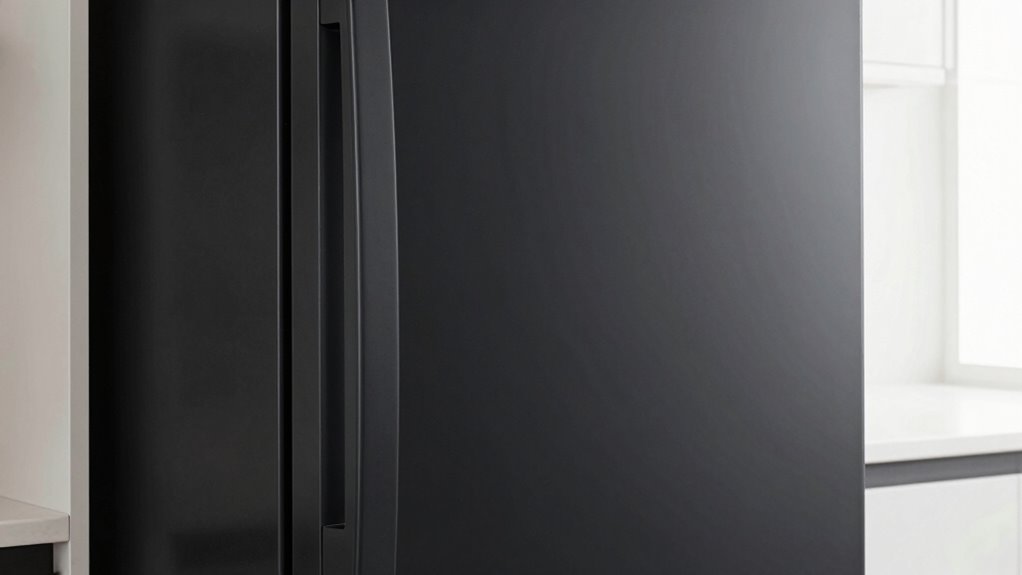

You can achieve a seamless look with panel-ready refrigerators, but missing key details can ruin the effect. Proper installation is essential—measure carefully, guarantee panels are precisely fabricated, and attach them securely. Pay attention to ventilation needs; improper airflow can hurt performance and spoil the sleek appearance. Overlooking these details can cause gaps, misalignment, or airflow issues. Keep these tips in mind, and you’ll find how small nuances make a big difference in maintaining that perfect, integrated look.
Key Takeaways
- Proper panel measurement and fabrication are essential to ensure a seamless, flush appearance.
- Misalignment or gaps can occur if panels are not precisely installed or secured.
- Ventilation requirements must be carefully addressed to maintain efficiency and prevent airflow issues.
- DIY installation risks improper fitting, leading to uneven surfaces and compromised aesthetics.
- Professional installation helps ensure correct alignment, ventilation, and a truly seamless look.
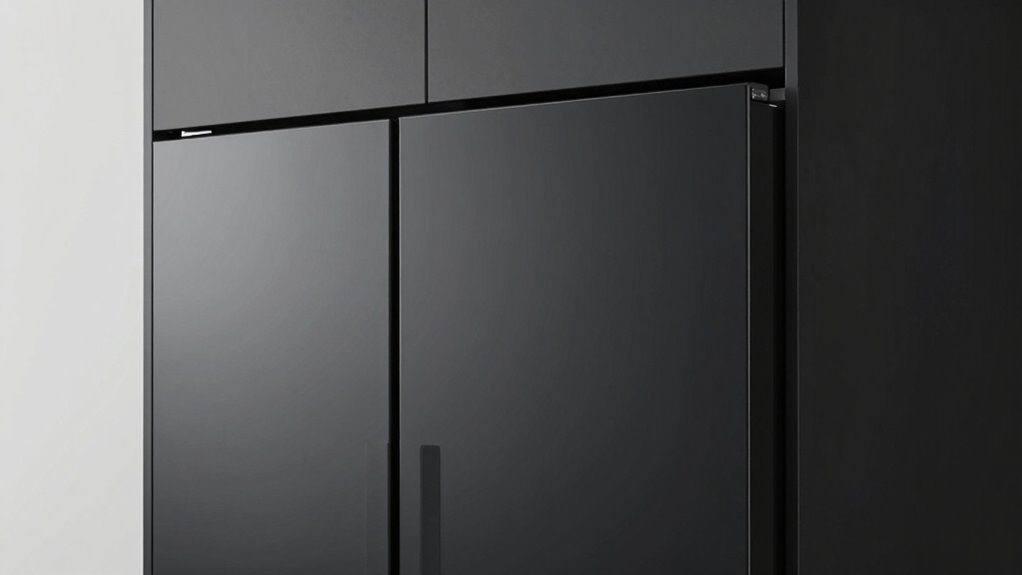
Are you looking for a refrigerator that seamlessly blends into your kitchen’s design? If so, panel-ready refrigerators might be just what you need. These units are designed to be integrated into your cabinetry, giving your kitchen a sleek, uniform look. One of their biggest advantages is the extensive customization options they offer. You can choose cabinet panels that match your existing cabinetry, handles, and finishes, allowing the refrigerator to become virtually invisible within your space. This level of customization helps create a cohesive aesthetic, especially if you prefer a minimalist or modern design. However, while these refrigerators promise a seamless appearance, they can also present installation challenges you should be aware of before making a purchase.
Installing a panel-ready refrigerator isn’t as straightforward as plugging in a standard appliance. You need to carefully measure and prepare your cabinetry to ensure the panels fit perfectly. This often involves removing or modifying existing cabinet fronts and hinges, which can be tricky if you’re not experienced with carpentry or cabinetry work. Additionally, the panels themselves must be precisely crafted to match your cabinets, requiring you to coordinate with your kitchen designer or supplier. If the panels aren’t aligned correctly or if their thickness doesn’t match your cabinetry, the finished look can be uneven or less polished than you envision. Proper measurement and planning are essential steps to ensure a smooth installation process.
Proper measurement and precise panel alignment are essential for a seamless, polished look.
Another challenge is ensuring the panels are securely attached to the refrigerator, especially since these units are designed to be built into cabinetry. Missteps during installation can lead to gaps or misalignments that detract from the sleek, seamless appearance you’re aiming for. You might also encounter issues with ventilation or airflow, which are critical for the refrigerator’s efficiency. Some panel-ready models require specific clearance or venting configurations, adding another layer of complexity to installation. It’s also important to consider ventilation requirements, as improper setup can affect performance and longevity.
Additionally, understanding the manufacturing standards for panel-ready refrigerators can help prevent issues related to quality and durability, ensuring you select a reliable model. While the customization options are impressive, they demand careful planning and precise execution. If you’re not comfortable with DIY installation or working with cabinetry, it’s wise to hire a professional. This extra effort can increase the overall cost, but it’s often worth it for the polished look you get. Just keep in mind that overlooking these details—like panel fit, alignment, or ventilation—can undermine the sleek aesthetic and functionality of your panel-ready refrigerator. So, if you’re considering one, prepare for some upfront work, and don’t underestimate the importance of a flawless installation to truly achieve that seamless, integrated look in your kitchen.
panel-ready refrigerator installation kit
As an affiliate, we earn on qualifying purchases.
As an affiliate, we earn on qualifying purchases.
Frequently Asked Questions
How Do I Choose the Right Panel Material for My Refrigerator?
Choose a panel material that balances durability and aesthetic options for your refrigerator. If you want durability, opt for materials like wood veneer or metal, which resist scratches and wear. For more customization, consider options like laminate or custom panels that match your kitchen decor. Think about your lifestyle and maintenance preferences—some materials need more care, but they also offer a unique look. Select what aligns best with your style and practical needs.
Can Panel-Ready Refrigerators Be Installed in Existing Cabinetry?
Coincidentally, many panel-ready refrigerators can be installed in your existing cabinetry, but it depends on your setup. You’ll need to check if the appliance’s panel installation system matches your cabinetry’s dimensions and design. Professional installation guarantees seamless cabinetry integration, preventing gaps or uneven surfaces. Before purchasing, verify compatibility with your current cabinetry, and consider consulting an expert to achieve a truly integrated look that complements your space perfectly.
What Is the Average Cost Difference Compared to Standard Refrigerators?
You’ll find that panel-ready refrigerators generally cost $2,000 to $4,000, which is about $500 to $1,000 more than standard models. This price difference accounts for their custom finish and seamless design. When comparing brands, consider energy efficiency ratings, as some premium brands may offer better performance and savings over time. Keep in mind, investing in a panel-ready model might mean higher upfront costs but can enhance your kitchen’s aesthetic.
Are There Size Limitations for Panel-Ready Refrigerator Models?
Imagine you’re in a futuristic gadget shop; size limits do exist for panel-ready refrigerators. You’re likely to find some models with weight restrictions and limited color options, especially for larger sizes. Most brands offer a variety of sizes, but bigger units may require special installation or custom panels. Keep in mind, if you’re planning a large, seamless kitchen, double-check the specifications to confirm your chosen fridge fits both size and weight limits.
How Do I Maintain the Aesthetic if the Panels Get Damaged?
If your panels get damaged, you can preserve the aesthetic by replacing the damaged panel with a matching one or having a professional repair it to blend seamlessly. Regularly inspecting for panel damage helps you catch issues early, preventing further aesthetic disruptions. Taking prompt action ensures your refrigerator continues to look integrated with your cabinetry, preserving the sleek, seamless appearance you desire. Staying proactive keeps your kitchen’s design flawless.
Conclusion
Panel-ready refrigerators seem sleek and seamless until you overlook that essential detail—matching the panel perfectly. You might imagine them as a built-in masterpiece, blending effortlessly into your kitchen. But if the panel isn’t aligned or installed correctly, that sleek look quickly fades. So, isn’t it worth double-checking every detail before finalizing your choice? After all, a flawless finish isn’t just about appearance—it’s about creating a kitchen that feels truly custom and cohesive.