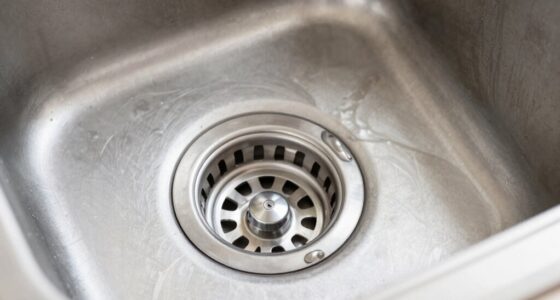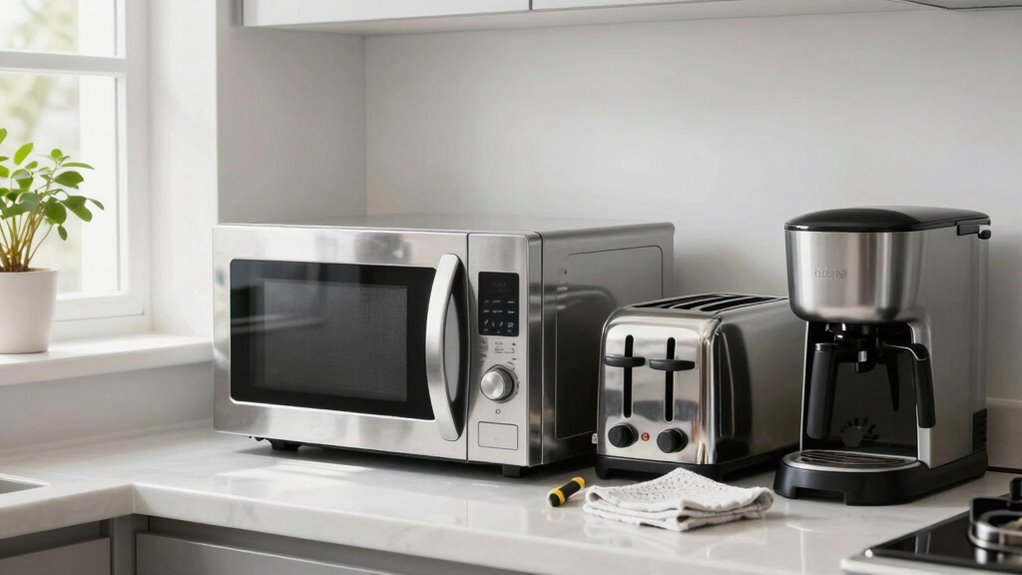

Spending just ten minutes each month inspecting your appliances can prevent costly repairs down the line. Check door seals on your fridge for cracks, clean condenser coils, and wipe down surfaces to stop mold growth. Look for leaks or damage around hoses on your washer and dishwasher. Make certain oven seals are intact, and cords on small appliances are undamaged. Doing these quick checks regularly keeps everything running smoothly and saves you money—there’s more to discover to keep your appliances in top shape.

Turn the school run and nap time into listening time
- Thousands of audiobooks, podcasts and originals
- Listen on your phone, tablet or Echo — also offline
- Cancel anytime
Key Takeaways
- Inspect door seals and gaskets for cracks or dirt to prevent cold air and moisture leaks.
- Clean condenser coils and filters on appliances like refrigerators and washing machines to maintain efficiency.
- Check hoses and connections for leaks, bulges, or damage to avoid water damage and costly repairs.
- Wipe down surfaces and removable parts to prevent mold, dirt buildup, and ensure hygiene.
- Test appliance operation and inspect cords for damage to identify issues early and ensure safety.
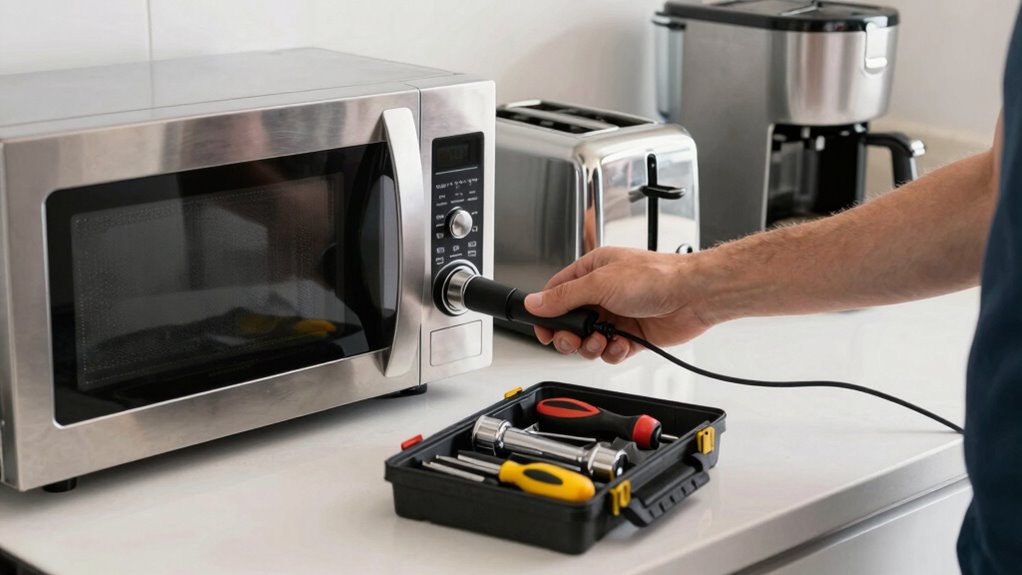
To keep your appliances running smoothly and prevent unexpected breakdowns, dedicating just 10 minutes each month can make a big difference. A quick monthly check helps you spot issues early, saving you money and hassle down the line. One of the key benefits of consistent maintenance is improving energy efficiency. When appliances operate at peak performance, they use less power, which cuts your energy bills and reduces your environmental impact. Plus, regular upkeep extends the lifespan of your appliances, giving you more value from your investments.
Regular monthly checks keep appliances efficient, prevent costly repairs, and extend their lifespan with just 10 minutes of your time.
Start by inspecting your refrigerator. Check the door seals—if they’re cracked or dirty, cold air escapes, forcing the compressor to work harder. Clean the condenser coils at the back or underneath the fridge, as dust buildup can make it less efficient. Wipe down shelves and drawers to prevent mold and keep everything hygienic. For your dishwasher, look for signs of wear or leaks around hoses and connections. Run a cleaning cycle with a dishwasher cleaner or a cup of vinegar to clear out any buildup that might impair performance. This simple maintenance tip can enhance energy efficiency and help your dishwasher run quieter and more effectively.
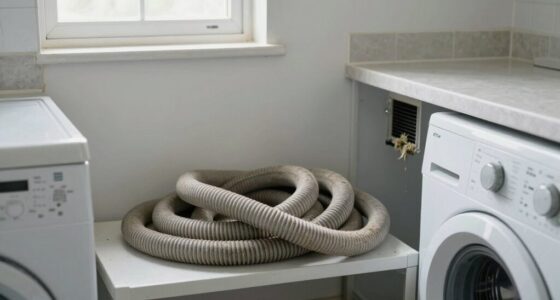
This is also a good opportunity to review appliance manuals to ensure proper maintenance routines. Next, focus on your washing machine. Check the hoses for leaks or bulges, and replace them if necessary. Clean the lint filter and detergent dispenser regularly to ensure peak operation. If your machine has a filter, remove and clean it to prevent clogs. Regularly inspecting drainage systems can help prevent backups and water damage. For your oven and stove, wipe down surfaces and check for any loose or damaged knobs. Make sure the oven’s door seal is intact, as a faulty seal can lead to heat loss, wasting energy. Properly maintained appliances heat up faster and use less energy, which directly boosts your energy efficiency. Additionally, inspecting ventilation systems can help prevent overheating and improve overall appliance safety.
Finally, review small appliances like your microwave, toaster, or coffee maker. Wipe down exterior surfaces and check for damage to cords or plugs. If you notice any frayed wiring or loose connections, replace or repair them immediately to avoid safety hazards and ensure they operate efficiently. These quick checks help maintain overall performance and prevent small issues from escalating into costly repairs.
Spending just 10 minutes each month on these maintenance tips keeps your appliances in top shape, enhances energy efficiency, and reduces the chance of big repairs. It’s a simple routine that saves you money, boosts appliance lifespan, and keeps your home running smoothly. With a little effort, you can enjoy the benefits of efficient, reliable appliances year-round.
refrigerator door seal replacement
As an affiliate, we earn on qualifying purchases.
As an affiliate, we earn on qualifying purchases.
Frequently Asked Questions
Can I Perform These Checks on All Appliance Brands?
You can perform these checks on most appliance brands, but brand compatibility matters. Some brands have unique features or parts that might require specific troubleshooting steps. Stick to DIY troubleshooting tips that suit your appliance’s brand and model. Always refer to the user manual for manufacturer recommendations. If you’re unsure, consult a professional to avoid voiding warranties or causing damage. Regular checks help extend appliance life, regardless of brand.
Are There Safety Precautions I Should Follow During the Check?
Yes, you should follow safety precautions during your appliance check. Wear safety gear like gloves and goggles to protect yourself from potential hazards. Always unplug appliances before inspecting or cleaning to guarantee electrical safety. Keep your workspace dry and be cautious around electrical connections. If you’re unsure about handling certain parts, consult a professional. Prioritizing safety helps prevent accidents and keeps your appliance checks effective and safe.
How Often Should I Replace Appliance Filters?
You should replace appliance filters based on their filter maintenance and recommended replacement frequency. Typically, air filters need changing every 1 to 3 months, depending on usage and filter type. Water filters often last 6 to 12 months. Regularly check your filters for dirt and wear, and follow manufacturer guidelines. Staying on top of filter maintenance prevents clogs, improves efficiency, and extends your appliances’ lifespan.
What Signs Indicate a Major Appliance Malfunction?
Early warning signs of major appliance malfunctions include unusual noises, persistent leaks, or a sudden drop in performance. You might notice the appliance isn’t heating properly or is cycling on and off frequently. Common malfunctions often involve motor issues, electrical failures, or clogged filters. If you spot these signs, it’s best to address them promptly, as ignoring them can lead to costly repairs or complete breakdowns.
Should I Call a Professional if I Find a Problem?
Yes, you should call a professional if you find a problem. While DIY troubleshooting can handle minor issues, serious or persistent problems require a professional inspection to guarantee safety and proper repair. Attempting complex fixes yourself might lead to bigger damage or hazards. Trust a trained technician to diagnose and fix the issue correctly, saving you money in the long run and preventing future breakdowns.
Conclusion
By spending just ten minutes each month on these simple checks, you could catch small issues before they turn into costly repairs. But what if that tiny warning sign you overlook today becomes a major headache tomorrow? Stay vigilant, stay proactive—because the real surprise isn’t in the trouble you see, but in what you might have avoided with just a little attention now. Are you ready to protect your appliances—and your peace of mind?
Fall Picks
fall essentials
As an affiliate, we earn on qualifying purchases.