Many people forget to clean the condensate drain on their portable air conditioner, but it’s a vital step for keeping your unit running smoothly. Regularly clearing out clogs prevents water backups, mold growth, and maintains indoor air quality. If you don’t do it often, your AC might work harder, consume more energy, and have a shorter lifespan. Stay with us to discover the simple steps that make this overlooked task easy and effective.

Turn the school run and nap time into listening time
- Thousands of audiobooks, podcasts and originals
- Listen on your phone, tablet or Echo — also offline
- Cancel anytime
Key Takeaways
- Regularly clean the condensate drain to prevent clogs and mold growth.
- Use a vinegar-water solution to flush out debris and buildup.
- Schedule monthly drain inspections for optimal system performance.
- Turn off and unplug the unit before performing drain maintenance.
- Proper drain maintenance extends the air conditioner’s lifespan and improves air quality.

Portable air conditioners are a convenient way to stay cool, but many users overlook a crucial maintenance step that keeps them running efficiently: cleaning the condensate drain. This small task plays a big role in maintaining indoor air quality and ensuring your unit operates at peak energy efficiency. When the condensate drain becomes clogged or dirty, it can cause water to back up into the unit, leading to leaks and potential mold growth. Mold spores and bacteria can then circulate through your indoor air, reducing air quality and possibly causing health issues for you and your family. Regularly cleaning the drain helps prevent these problems, keeping your indoor environment healthier.
Additionally, a blocked condensate drain forces your portable air conditioner to work harder, which wastes energy and increases your electricity bills. When the drain is clogged, the unit can’t effectively remove moisture from the air, causing it to run longer and consume more power. Over time, this unnecessary strain can shorten the lifespan of your appliance. By taking a few minutes to clear the drain regularly, you optimize your unit’s performance and save money on energy costs. It’s a simple step that delivers significant benefits in maintaining your comfort and reducing your environmental footprint. Proper maintenance of the air conditioning system is essential for longevity and efficiency. Regular maintenance also helps prevent the buildup of mold and bacteria in the system, which can negatively impact indoor air quality. In fact, preventing clogged drains is a key part of sustainable living practices that contribute to healthier indoor environments.
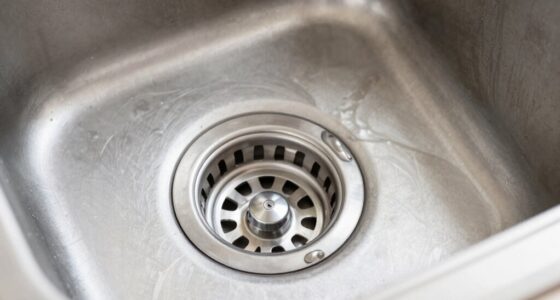
To clean the condensate drain properly, start by turning off your portable air conditioner and unplugging it for safety. Locate the drain, usually a small pipe or opening at the back or bottom of the unit. Use a wet/dry shop vacuum to gently suck out any debris or standing water in the drain line. If you notice stubborn clogs, you can flush the drain with a mixture of vinegar and water, which helps dissolve buildup and disinfects the line. Be sure to rinse thoroughly afterward to prevent any residual vinegar from damaging the system. Regular inspections—once a month or as recommended by the manufacturer—keep the drain clear and prevent problems before they start. A cleaning schedule can help ensure this task becomes a routine part of your maintenance.
Maintaining a clean condensate drain is also an effective way to prevent the growth of harmful bacteria, which can thrive in moist environments. Keeping the drain clear is a simple yet often overlooked maintenance task that pays off by improving indoor air quality, reducing energy consumption, and extending the life of your portable air conditioner. It’s a proactive step you can take to ensure your cooling system runs smoothly all season long. Don’t wait until you see water leaks or notice a decline in performance—make cleaning the condensate drain part of your routine maintenance, and you’ll enjoy cooler, healthier, and more efficient indoor air all year round.
Frequently Asked Questions
How Often Should I Replace the Air Filter in My Portable AC?
You should replace the air filter in your portable AC every 1 to 3 months, depending on usage and filter type. Check the filter’s lifespan regularly, especially during peak seasons, to guarantee peak performance. A good replacement schedule helps maintain air quality and efficiency. If you notice reduced airflow or musty odors, it’s time to change the filter sooner. Regular replacements keep your portable AC running smoothly.
Can I Use Regular Cleaning Products on the Unit’s Components?
You can use regular cleaning products on your portable AC’s components, but you need to check chemical compatibility first. Avoid harsh chemicals that might damage sensitive parts. Clean regularly to maintain efficiency; frequency depends on usage and environment. Typically, wipe surfaces weekly and conduct a thorough cleaning monthly. Always follow the manufacturer’s instructions, and when in doubt, opt for mild, non-abrasive cleaners to protect your unit’s longevity.
What Are Signs That My Portable Air Conditioner Needs Maintenance?
Did you know that dirty filters reduce efficiency by up to 15%? You’ll notice your portable air conditioner needs maintenance when airflow decreases, the unit smells musty, or it’s making unusual noises. Check your filter regularly for dirt and replace it if needed. Also, clean the components to prevent buildup. These signs indicate it’s time for filter replacement and component cleaning to keep your unit running smoothly.
Is It Necessary to Inspect the Drain Pan Regularly?
Yes, inspecting the drain pan regularly is necessary. You should check the drain pan for any signs of mold, debris, or standing water through drain pan inspection. This helps prevent water buildup, mold growth, and potential leaks. Regular drain pan cleaning keeps your portable air conditioner running efficiently and avoids unpleasant odors. Make it a habit to inspect and clean the drain pan at least once a month for peak performance.
How Do I Prevent Mold Growth Inside My Portable AC?
Ever wondered how to keep your portable AC fresh and mold-free? To prevent mold growth, you should regularly clean or replace filters and guarantee proper air circulation. Keep the drain pan dry and check for leaks. Did you know mold thrives in damp, stagnant air? Good air circulation prevents moisture buildup, making your unit less hospitable for mold. Stay proactive with these steps, and your AC will stay clean and healthy.
Conclusion
Neglecting this simple maintenance step might seem minor, but it often coincides with the first signs of your portable AC struggling. When you overlook regular checks, you risk more than just reduced cooling; you invite inefficiency and potential breakdowns. Ironically, the very act of skipping routine care can lead to unexpected discomfort, reminding you that sometimes, the smallest details hold the key to comfort. Stay vigilant, and your AC will serve you well when you need it most.
Halloween Picks
halloween
As an affiliate, we earn on qualifying purchases.