If you have tall homes, window-cleaning robots are surprisingly helpful. They let you safely clean high, hard-to-reach windows without ladders, saving you time and reducing risks of falls. These robots are easy to maintain with regular checks and proper charging, ensuring they work efficiently. Their advanced features, like sensors and self-diagnostics, help keep your windows streak-free. Keep exploring, and you’ll discover how these gadgets can make window upkeep effortless and safer for you.

Turn the school run and nap time into listening time
- Thousands of audiobooks, podcasts and originals
- Listen on your phone, tablet or Echo — also offline
- Cancel anytime
Key Takeaways
- They safely clean high, hard-to-reach windows without ladders, reducing fall risks in tall homes.
- Save time and effort compared to manual cleaning methods on multiple-story windows.
- Maintain streak-free windows efficiently with minimal manual intervention.
- Regular maintenance ensures optimal robot performance for consistent cleaning results.
- Proper battery management allows for extended cleaning sessions on large, tall windows.
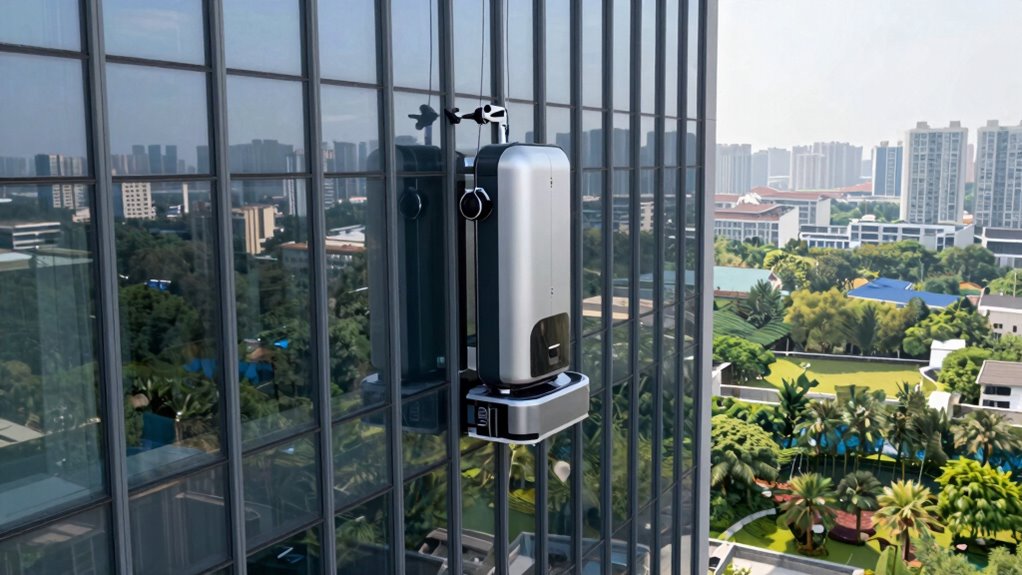
Have you ever wondered how to keep tall home windows spotless without risking a ladder fall? If you live in a multi-story home, reaching those high, often hard-to-clean windows can be a real challenge. That’s where window-cleaning robots come into play. These devices are designed to tackle tall windows safely and efficiently, saving you time and the risk of accidents. But to get the most out of these robots, you need to understand their maintenance and battery life, which are vital for consistent performance.
Robot maintenance is pretty straightforward but necessary if you want your window-cleaning robot to last. Regularly inspecting the brushes and squeegees ensures they stay free of dirt and debris, which can impede cleaning. Cleaning the sensors and tracks prevents buildup that might cause the robot to malfunction or lose adhesion to the glass. Many models come with self-diagnostic features that alert you when maintenance is needed, making it easier to keep your robot in top shape. Proper maintenance not only extends the lifespan of your device but also guarantees maximum cleaning results on each use. Battery performance is another crucial aspect to consider, as it directly impacts the robot’s effectiveness and convenience during cleaning sessions. Additionally, understanding the technical specifications can help you select the best model suited for your specific needs.
Regularly check brushes, squeegees, sensors, and tracks to keep your window-cleaning robot performing at its best.
Battery life is another essential factor to contemplate. Most window-cleaning robots operate on rechargeable batteries, and their runtime can vary depending on the model and usage. If your robot has a short battery life, you might find yourself needing to recharge it frequently during a cleaning session, which can be frustrating. On the other hand, models with longer-lasting batteries allow you to clean multiple large windows in one go without interruptions. Keep in mind, battery performance can degrade over time, so it’s good to follow the manufacturer’s recommendations for charging cycles and storage. Using the robot on a full charge and avoiding overcharging helps preserve battery health, ensuring your robot remains ready when you need it. Proper maintenance can also help mitigate battery issues by keeping the robot functioning optimally for longer periods.
In tall homes, the convenience of a window-cleaning robot goes beyond just reaching difficult spots. The key to maximizing its usefulness lies in understanding and maintaining its components, especially the battery. Proper robot maintenance minimizes downtime and prolongs its lifespan, so you get consistent cleaning power. Meanwhile, paying attention to battery life ensures you’re not caught off guard during your cleaning routine. When both these factors are managed well, your robot becomes an invaluable tool, effortlessly keeping your high windows clear and streak-free without you having to risk a fall or spend hours on a ladder.
Products Worth Considering

Samsung 85-Inch M70H Series Mini LED 4K Smart TV (2026)

Levoit Eleva 300X HEPA Air Purifier for Home and Bedroom
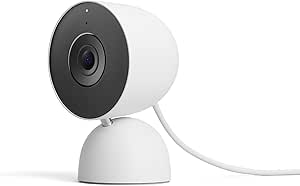
Google Nest Cam Indoor (Wired, 3rd Gen) – Security Camera – Snow
As an affiliate, we earn on qualifying purchases.
Frequently Asked Questions
How Long Do Window-Cleaning Robots Typically Last Before Needing Replacement?
You can expect window-cleaning robots to last around 1 to 3 years before needing replacement, depending on usage and maintenance. The battery life plays a key role, as shorter battery life means more frequent recharges or replacements. Replacement costs vary, but investing in a quality model can reduce overall expenses. Proper care, like regular cleaning and proper storage, can extend your robot’s lifespan, saving you money over time.
Are Window-Cleaning Robots Safe for Use on All Window Types?
Window-cleaning robots are generally safe for most window types, but you should check the manufacturer’s guidelines first. Make sure the robot’s design prioritizes window safety and is compatible with your specific glass, especially if you have delicate or historic panes. While robot durability helps prevent accidents, always supervise initial uses to avoid damage or malfunctions. Properly maintained, these robots can safely clean a variety of window surfaces in your home.
Can These Robots Function Effectively in Extreme Weather Conditions?
Window-cleaning robots aren’t typically designed for extreme weather conditions. Their weather resilience is limited, so rain, snow, or high winds can hinder their operation or cause damage. You should be cautious about relying on them during storms or harsh weather, as their operational limitations become evident. For peak performance and safety, use these robots only in mild, calm weather when conditions are stable.
Do Window-Cleaning Robots Require Regular Maintenance or Calibration?
Yes, window-cleaning robots do require regular maintenance and calibration to perform effectively. You should follow maintenance schedules that include cleaning sensors, checking brushes, and inspecting power connections. Robot calibration ensures the device accurately navigates your windows, preventing streaks or missed spots. By staying consistent with maintenance and calibration, you’ll keep your robot functioning smoothly, extending its lifespan and ensuring spotless, streak-free windows every time.
Are There Any Models Specifically Designed for Curved or Irregularly Shaped Windows?
You might think all window-cleaning robots are one-size-fits-all, but surprisingly, some models are crafted for curved windows and irregular shapes. These specialized robots navigate tricky contours with flexible arms and adaptive sensors, making your oddly shaped or curved windows shine effortlessly. While they’re not everywhere yet, investing in one means you’ll enjoy spotless, streak-free views without the hassle of manual cleaning on those uniquely shaped surfaces.
Conclusion
So, next time you see a window-cleaning robot glide smoothly up your tall home’s glass, don’t just see a gadget. Think about the hidden possibilities it hints at—how technology might soon reshape your daily life in unexpected ways. Could these seemingly simple machines be the key to revealing new levels of convenience, safety, or even insight? The future’s quietly approaching, and what it holds might surprise you more than you ever imagined.