To reduce allergens with better appliance habits, regularly clean or change your air purifier filters to keep airborne allergens in check. Use allergen-proof covers on your bedding and wash sheets weekly in hot water. Maintain proper humidity levels with dehumidifiers and avoid clutter to minimize dust buildup. Also, vacuum with HEPA filters and guarantee good ventilation throughout your home. If you want practical tips on creating a healthier living space, there’s more to discover below.

Turn the school run and nap time into listening time
- Thousands of audiobooks, podcasts and originals
- Listen on your phone, tablet or Echo — also offline
- Cancel anytime
Key Takeaways
- Regularly clean or replace air purifier filters to maintain allergen removal efficiency.
- Use allergen-proof covers on bedding and wash weekly in hot water to reduce dust mite exposure.
- Ensure proper ventilation to disperse indoor pollutants and improve air quality.
- Vacuum with HEPA-filtered vacuums and empty bags frequently to prevent allergen buildup.
- Maintain indoor humidity between 30-50% to inhibit dust mites and mold growth.
Are allergens making your home a source of constant discomfort? If so, it’s time to reevaluate your appliance habits and introduce smarter routines to reduce those pesky triggers. One of the most effective steps you can take is to prioritize air purifier maintenance. Regularly cleaning or replacing filters ensures your air purifier functions at peak efficiency, capturing airborne allergens like pollen, pet dander, and dust mites. Neglecting maintenance can cause the device to become less effective, allowing allergens to circulate in your indoor air. Set a schedule to check filters every few months, and follow the manufacturer’s instructions for cleaning or changing them. This simple habit helps keep your indoor air cleaner and reduces allergy symptoms over time. Proper air filtration is essential for maintaining healthy indoor air quality.
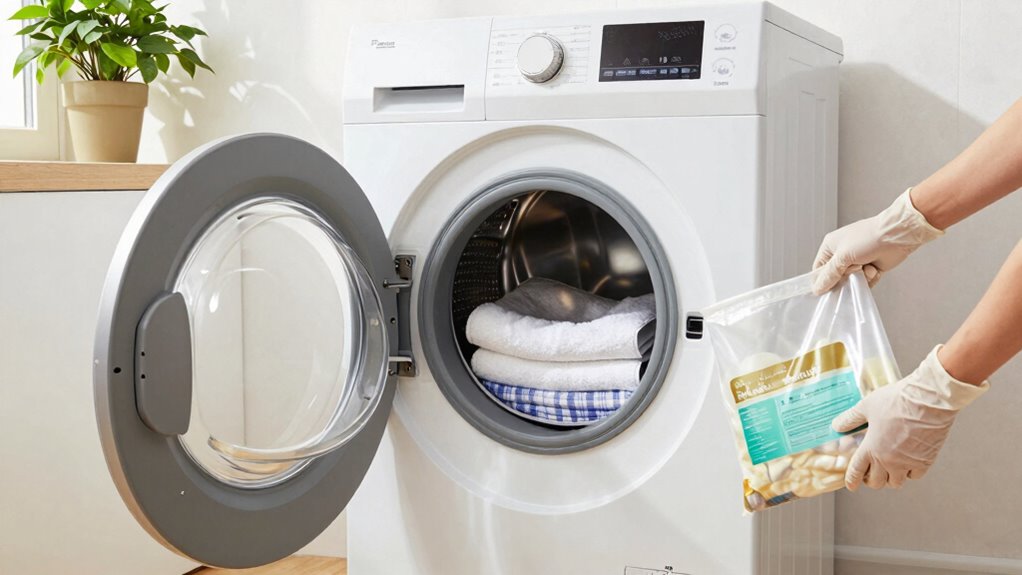
Alongside air purifier upkeep, investing in allergen-proof bedding can considerably cut down on nighttime allergy triggers. Dust mites, a common allergen, thrive in bedding materials, but allergen-proof covers create a barrier that prevents these microscopic creatures from infiltrating your sleeping space. When you use these covers on mattresses, pillows, and comforters, you block dust mites and reduce their presence in your bedding. Combine this with washing sheets and pillowcases weekly in hot water, and you create an environment less hospitable to allergens. This habit not only helps alleviate allergy symptoms but also promotes better sleep quality. Additionally, indoor air quality can be further improved by reducing sources of indoor pollution, such as cigarette smoke or volatile organic compounds (VOCs). Using proper ventilation can help disperse indoor pollutants more effectively and improve overall air quality. Incorporating effective ventilation strategies can also aid in maintaining a fresher and healthier home environment.
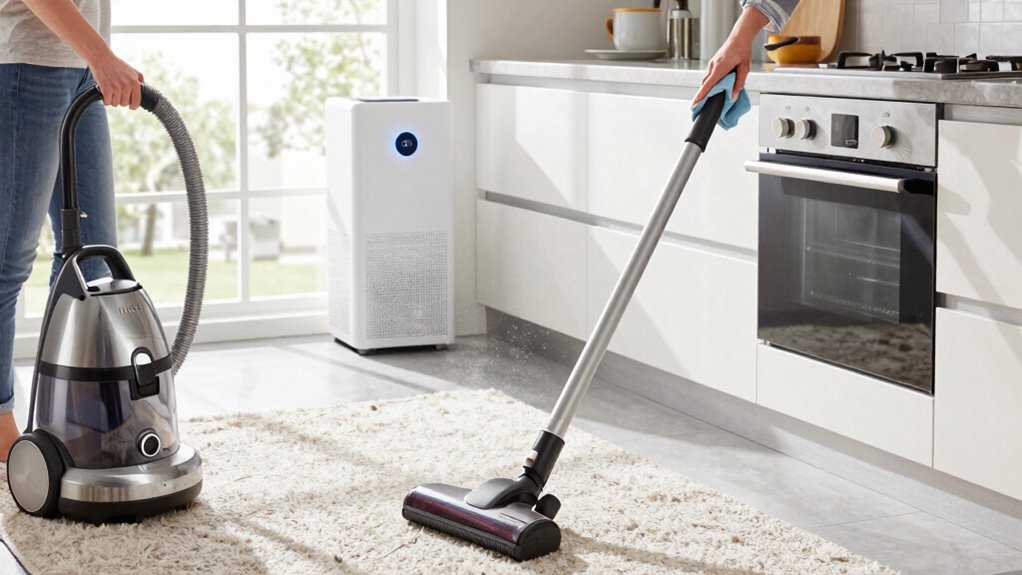
Beyond these specific appliances, it’s essential to adopt consistent cleaning routines. Regularly vacuuming carpets and upholstery with a HEPA filter-equipped vacuum traps allergens effectively. Be sure to empty the vacuum bag or canister frequently to prevent allergen buildup. Keeping humidity levels low—ideally between 30-50%—also discourages dust mite and mold growth, which are common indoor allergens. Using a dehumidifier can help maintain these levels. Maintaining a clean and dry home environment not only reduces allergen presence but also supports overall health.
Another smart move is to avoid clutter, which can trap dust and pet hair, making cleaning more difficult and less effective. Decluttering your home and frequently dusting surfaces with a damp cloth further reduces allergen accumulation. If you have pets, grooming them regularly minimizes dander, and designating pet-free zones, especially bedrooms, can give you relief during sleep. Making small adjustments like these can significantly improve your indoor comfort and reduce allergy flare-ups.
Incorporating these habits into your daily routine creates a healthier indoor environment. Proper air purifier maintenance, coupled with allergen-proof bedding and diligent cleaning, can drastically lower your exposure to allergens. Over time, these small but consistent changes will make your home a more comfortable, allergy-friendly space.
Products Worth Considering

Levoit Eleva 300X HEPA Air Purifier for Home and Bedroom

Levoit Core 400S-P Smart Air Purifier for Large Rooms

LEVOIT Vital 200S-P Smart Air Purifier for Large Rooms
As an affiliate, we earn on qualifying purchases.
Frequently Asked Questions
Can Specific Appliances Trap More Allergens Than Others?
Yes, some appliances can trap more allergens than others. Air purifiers with proper maintenance effectively capture airborne particles, reducing allergens. Vacuum efficiency varies depending on the filter type and maintenance; a high-quality vacuum with a HEPA filter traps dust, pet dander, and pollen better. Regularly cleaning and replacing filters guarantees these appliances work at their best, helping you minimize allergens in your home effectively.
How Often Should Appliances Be Professionally Cleaned for Allergen Reduction?
You should schedule professional appliance maintenance for allergen control at least once a year, especially for your HVAC systems, air purifiers, and vacuum cleaners. Regular cleaning ensures dust, mold, and other allergens are removed, reducing their presence in your home. Proper appliance maintenance keeps filters, vents, and ducts clean, improving air quality and minimizing allergy symptoms. Consistent professional care is vital to maintaining a healthier, allergen-free environment.
Do Appliance Air Filters Need Replacement to Improve Indoor Air Quality?
Did you know that a dirty air filter can reduce an air purifier’s efficiency by up to 20%? Yes, appliance air filters need regular replacement to improve indoor air quality. Proper air purifier maintenance extends filter lifespan and ensures allergens are effectively captured. If filters are clogged or past their recommended lifespan, replacing them quickly can markedly reduce airborne irritants and create a healthier living environment.
Are There Appliances Designed Specifically to Minimize Allergen Spread?
Yes, some appliances are designed specifically to minimize allergen spread. Look for air purifiers with high efficiency filters to boost air purifier efficiency, capturing airborne allergens effectively. Additionally, choose appliances made from hypoallergenic materials that resist dust and mold buildup. Regularly maintaining these appliances enhances their performance, helping you reduce allergens indoors and breathe easier. Focus on quality and proper upkeep to maximize their benefits in your allergy management routine.
Can Appliance Placement Affect Allergen Circulation in a Room?
Yes, appliance placement can considerably impact allergen circulation in a room. Proper air circulation depends on strategic furniture placement that avoids blocking vents or air filters. Keep appliances like fans, air purifiers, and HVAC units away from clutter and allergens to allow ideal airflow. By positioning appliances thoughtfully, you help prevent allergen buildup and guarantee cleaner, healthier air, reducing allergy symptoms and improving overall indoor air quality.
Conclusion
By adopting smarter appliance habits, you turn your home into a fortress against allergens. Regularly cleaning filters, maintaining appliances, and choosing the right tools are your shields in this battle. Think of your appliances as the gatekeepers—keep them in top shape, and they’ll keep allergens at bay. With these simple steps, you’ll create a healthier living space where allergens don’t stand a chance, letting you breathe easier and live better every day.