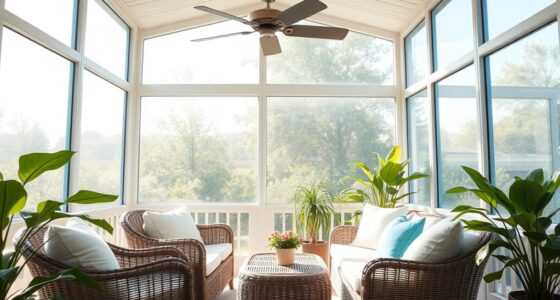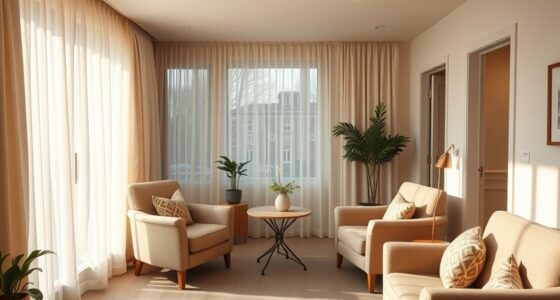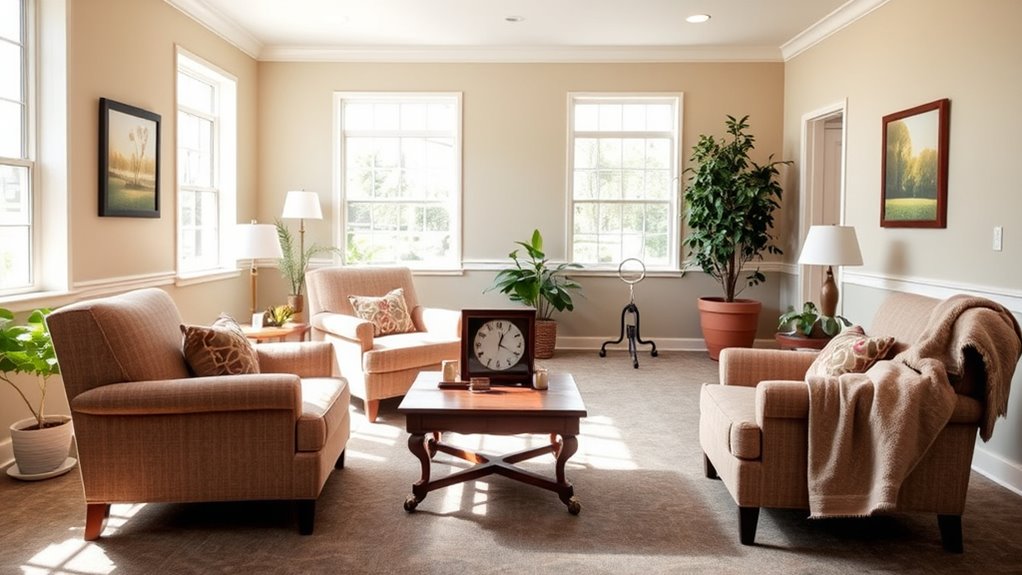

Purpose-driven design in memory care focuses on creating environments that boost residents’ well-being through personalized, sensory-rich, and accessible spaces. You can foster comfort by incorporating familiar objects and sensory elements like textures, sounds, and scents, which evoke positive memories and reduce stress. Designed thoughtfully, these environments promote independence, safety, and social connection. To understand how each element plays a role in supporting residents’ quality of life, explore further.

Turn the school run and nap time into listening time
- Thousands of audiobooks, podcasts and originals
- Listen on your phone, tablet or Echo — also offline
- Cancel anytime
Key Takeaways
- Purpose-driven memory care design enhances residents’ well-being through personalized, familiar, and sensory-rich environments.
- Incorporates sensory engagement strategies to stimulate senses and evoke positive memories.
- Personalizes spaces with residents’ artifacts and backgrounds to foster identity and comfort.
- Prioritizes safety and accessibility with clear signage and thoughtful layouts to reduce confusion.
- Promotes social interaction, independence, and dignity through intentional design elements.

Designing memory care environments with a clear purpose can considerably improve residents’ quality of life. When you focus on creating spaces that promote sensory engagement and personalized environments, you help residents reconnect with their surroundings and feel more at home. Sensory engagement involves stimulating the senses—touch, sight, sound, smell, and taste—in ways that evoke positive memories and foster calmness. You might incorporate textured materials, colorful visual cues, or soothing sounds that resonate with residents’ past experiences. Personalized environments are tailored to each individual’s history, preferences, and needs, making them feel valued and understood. By integrating familiar objects, photographs, or personal mementos, you create a space that encourages residents to explore and feel comfortable.
Purposeful memory care design enhances well-being through sensory engagement and personalized, familiar environments.
When you prioritize sensory engagement, you’re not just designing a visually appealing space—you’re actively nurturing cognitive and emotional well-being. For example, a garden with fragrant herbs, a textured walking path, or a music corner can serve as powerful tools for sensory stimulation. These elements help residents tap into their memories, reduce agitation, and promote relaxation. Personalization plays a *crucial* role here; when residents see familiar items or environments that reflect their lives, they experience a sense of continuity and identity. You can achieve this by incorporating personal artifacts, family photos, or cultural symbols into the design. This approach helps residents feel recognized and respected, which can *significantly* improve their mood and engagement.
In addition to sensory and personalized features, purpose-driven design emphasizes creating environments that are safe, accessible, and easy to navigate. When you design with intention, you reduce confusion and prevent accidents, which boosts residents’ confidence and independence. Clear signage, distinct color schemes, and thoughtfully planned layouts guide residents naturally through the space. By doing so, you foster an atmosphere where residents can explore without fear, encouraging participation and social interaction. This sense of autonomy is *vital* for maintaining dignity and quality of life. Incorporating sound design techniques can enhance these environments by creating calming or stimulating auditory cues that support residents’ emotional and cognitive states.
Ultimately, purpose-driven design isn’t just about aesthetics; it’s about understanding the unique needs of each resident and shaping environments that support their well-being. When your design incorporates sensory engagement and personalized elements, you’re creating more than a facility—you’re fostering a community that respects individual histories and promotes meaningful living. This thoughtful approach enhances comfort, reduces distress, and enriches daily experiences, making every space a supportive haven tailored to those who call it home.
Frequently Asked Questions
How Does Purpose-Driven Design Improve Residents’ Quality of Life?
You’ll see residents’ emotional well-being improve and social engagement increase when spaces are purposefully designed. By creating environments that feel familiar, safe, and stimulating, you help residents feel more comfortable and confident. These thoughtful designs encourage interactions, reduce confusion, and foster a sense of community. As a result, residents experience a higher quality of life, feeling more connected, secure, and emotionally supported in their daily routines.
What Specific Design Elements Support Memory Retention?
You can support memory retention through specific design elements like sensory stimulation and environmental cues. Incorporate calming colors, familiar objects, and varied textures to engage senses and trigger memories. Use clear signage, distinct landmarks, and consistent layouts to help residents navigate spaces confidently. These thoughtful touches create a supportive setting that strengthens connections, stimulates senses, and reinforces familiarity, ultimately fostering independence and enhancing overall well-being in memory care environments.
How Can Staff Be Involved in the Design Process?
You can involve staff in the design process by providing thorough staff training on memory care needs and encouraging their input during planning. Actively seek resident feedback to understand their experiences, and incorporate their suggestions into the design. Engaging staff ensures the environment supports daily routines and enhances resident well-being, making the space more effective and responsive to residents’ needs while empowering staff to contribute meaningfully.
What Are Cost Considerations for Implementing Such Designs?
You need to keep your eye on the prize, especially when it comes to cost considerations. Start with thorough budget planning to avoid surprises later. Focus on material selection that balances quality and affordability—think durable, low-maintenance options that last longer. While initial investments might seem high, designed thoughtfully, these features can save money over time by reducing repairs and enhancing resident well-being.
How Does Purpose-Driven Design Adapt to Individual Resident Needs?
You adapt purpose-driven design to individual resident needs by implementing personalization strategies that reflect each person’s history, preferences, and abilities. You also focus on environmental adaptability, creating flexible spaces that can be easily modified for changing needs. This approach guarantees residents feel comfortable and secure, promoting independence and well-being. By continuously evaluating and adjusting, you make sure the environment truly supports each resident’s unique journey in memory care.
Conclusion
As you walk through a thoughtfully designed memory care space, it’s no coincidence that every detail feels just right. The gentle colors, familiar textures, and intuitive layouts seem to guide residents effortlessly, like a comforting familiar song. Purpose-driven design creates more than just a beautiful environment; it fosters connection, safety, and independence. When your efforts align with residents’ needs, you’ll find that memory care becomes a place where trust and comfort naturally flourish.
Fall Picks
fall essentials
As an affiliate, we earn on qualifying purchases.