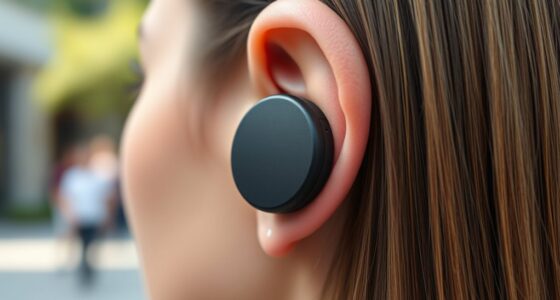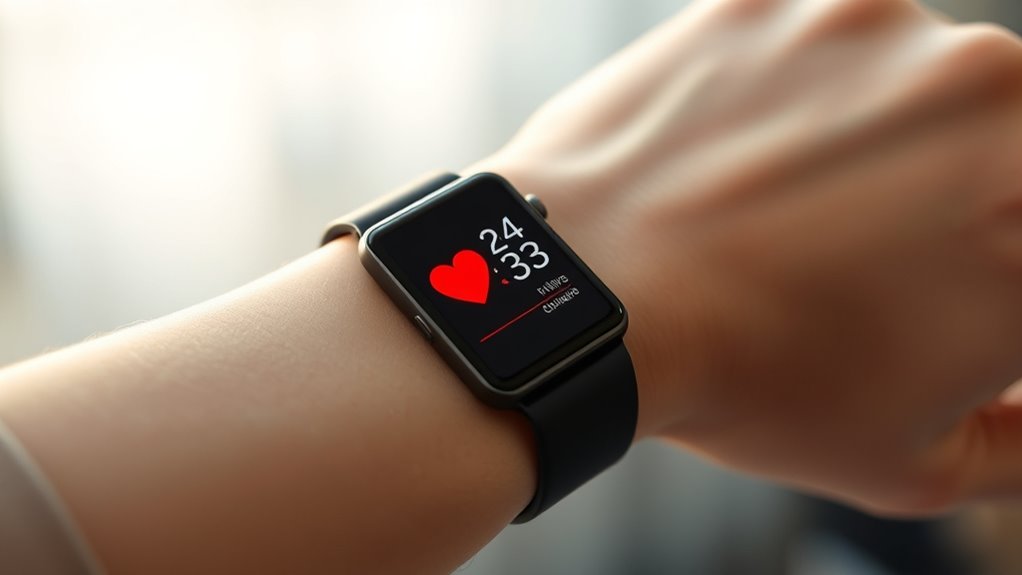

Wearable tech for health monitoring helps you stay on top of your fitness, sleep, and essential signs with features like activity tracking, heart rate monitoring, and sleep analysis. These devices sync with smartphone apps to give you real-time insights and personalized guidance, motivating you to stay active and improve your health. They also reveal patterns and potential issues, allowing you to make smarter choices. Keep exploring to discover how these tools can truly transform your well-being.
Key Takeaways
- Wearable devices track vital signs like heart rate, activity levels, and sleep patterns for continuous health monitoring.
- They provide real-time insights and data-driven feedback to support healthier lifestyle choices.
- Sleep analysis features help identify disruptions and improve sleep quality through detailed cycle tracking.
- Integration with smartphone apps enables personalized health tips and comprehensive wellness reports.
- Advanced sensors monitor additional health indicators such as stress and hydration for holistic health management.
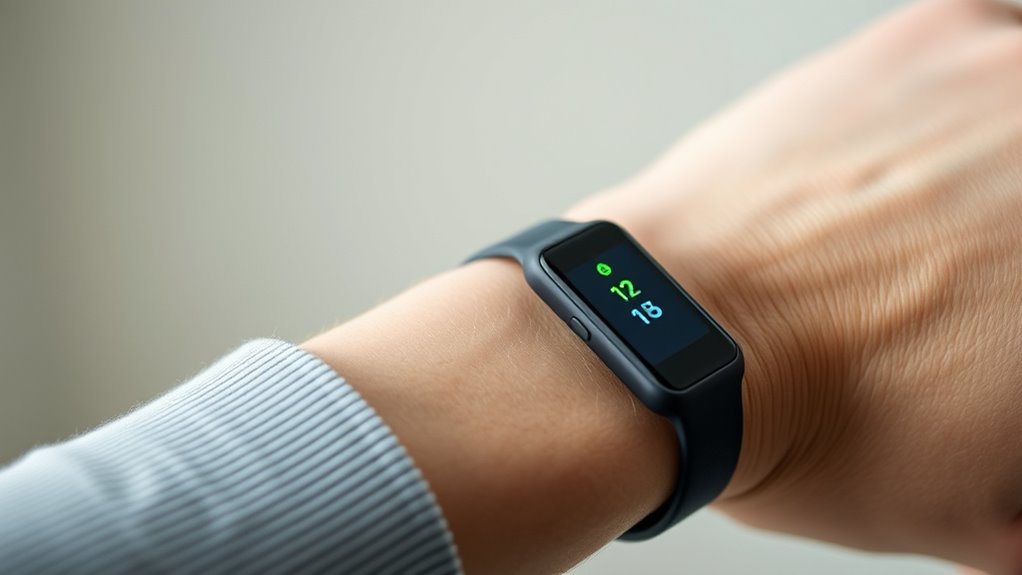
Have you ever wondered how wearable technology is transforming health monitoring? These devices are no longer just gadgets; they’re powerful tools that give you real-time insights into your body’s health. With features like fitness tracking and sleep analysis, wearable tech makes it easier than ever to take control of your well-being. When you wear a fitness tracker, you’re actively collecting data on your daily activity levels, calories burned, steps taken, and even your heart rate. This instant feedback motivates you to stay active and reach your fitness goals. Whether you’re running, cycling, or just walking around, these devices monitor your movement and help you see patterns over time. It’s like having a personal trainer on your wrist, pushing you to move more and stay motivated.
Sleep analysis is another game-changer in wearable health monitoring. Many devices now come equipped with sensors that track your sleep cycles, duration, and quality. When you wake up, you get detailed insights into how well you slept, including how much deep sleep and REM sleep you achieved. This information helps you understand what might be disrupting your rest—be it stress, caffeine, or irregular schedules. With this knowledge, you can make smarter choices to improve your sleep habits, which directly impacts your overall health and energy levels. The convenience of having sleep data at your fingertips means you can adjust your bedtime routine or environment to get better rest night after night.
What makes wearable tech particularly effective is its seamless integration into your daily life. Instead of manual journaling or guesswork, you rely on data collected automatically as you go about your day. This continuous monitoring enables you to identify trends and adapt your lifestyle accordingly. For example, if your fitness tracking shows you’re consistently falling short of your activity goals, you can set reminders to move more. If sleep analysis reveals interruptions or insufficient rest, you might prioritize winding down earlier or reducing screen time before bed. These small changes, guided by real data, lead to meaningful improvements in your health.
Additionally, understanding credit scores can help you make better financial decisions that free up resources for your health and wellness goals. In addition, many wearables sync with smartphone apps, offering personalized tips and progress reports. This creates a holistic view of your health, encouraging you to stay engaged and motivated. As technology advances, these devices are becoming even smarter, providing insights not just on activity and sleep but also on stress levels, hydration, and other essential signs. All of these features empower you to make informed decisions about your health every day, making wearable tech an invaluable ally in your pursuit of a healthier lifestyle.
Frequently Asked Questions
How Accurate Are Wearable Devices in Detecting Health Issues?
Wearable devices can be quite accurate in detecting health issues, but their sensor accuracy and data reliability vary. You should know that most devices offer useful insights, yet they might not catch every problem or provide perfect precision. For critical health concerns, rely on medical-grade equipment and consult healthcare professionals. These gadgets are great for monitoring trends and encouraging healthier habits, but they shouldn’t replace professional diagnosis.
Can Wearable Tech Replace Regular Medical Checkups?
Wearable tech can’t fully replace regular medical checkups, but it enhances your health monitoring. While remote diagnostics and data integration allow continuous tracking, they lack the thorough assessment a doctor provides. Regular checkups detect underlying issues early and offer personalized advice. Use wearables as a supplement, not a substitute, to stay proactive about your health—trust the expertise of healthcare professionals for a complete picture.
What Are the Privacy Concerns With Health Data?
You should be aware that privacy concerns with health data revolve around data security and user consent. When you use wearable tech, your personal health information could be vulnerable if data security isn’t robust enough. Always guarantee you give clear user consent and understand how your data is stored and shared. Protecting your health data requires vigilance, so stay informed about privacy policies and security measures of your devices.
How Long Do Wearable Devices Typically Last on a Single Charge?
Battery life varies, but most wearable devices typically last between one to seven days on a single charge. You’ll find that charging frequency depends on usage, with active users needing to recharge more often. Some models boast longer-lasting batteries, while others require quick, consistent charges. To keep your health monitoring harmonious, it’s best to set a routine for charging your device regularly, ensuring it stays powered and ready to track your health seamlessly.
Are Wearable Health Devices Suitable for Children and Seniors?
Yes, wearable health devices can be suitable for children and seniors if designed with child safety and senior accessibility in mind. You should look for models that feature easy-to-use interfaces, adjustable straps, and safety alerts for kids. For seniors, prioritize devices with larger screens, simple controls, and emergency functions. Always guarantee these devices meet safety standards and are comfortable, helping you monitor health while maintaining peace of mind.
Conclusion
Imagine holding a tiny superhero on your wrist, constantly watching over your health. Wearable tech acts like that hero, catching early signs of trouble before they become serious. Studies show that users with health monitors see a 30% faster response to health issues. Just like a trusted friend, these devices empower you to take control, making health management feel less like a chore and more like an everyday adventure. Embrace this tech—your health’s new best ally.