For most buyers seeking drone cameras with 4K recording, I’d start with the DJI Mini 4K: it offers a clear, established option for aerial UHD video, while the DJI Mini 4K Fly More Combo suits people who want extra batteries in the package. If steadier footage matters more than a compact setup, the Ruko F11PRO 2 and Bwine F7GIM stand out for their 3-axis gimbals. The main tradeoffs are video stabilization, flight time, included batteries, portability, and how much control a beginner needs. Read on for my ranked comparison, buying advice, and answers to common questions.

Turn the school run and nap time into listening time
- Thousands of audiobooks, podcasts and originals
- Listen on your phone, tablet or Echo — also offline
- Cancel anytime
Complete the kit


Key Takeaways
The DJI Mini 4K is the strongest starting point for a buyer who wants a straightforward 4K camera drone from an established product line, while the Fly More Combo prioritizes longer outings through included extra batteries.
Gimbal-equipped options address a different need than basic 4K recording. The Ruko F11PRO 2 and Bwine F7GIM are worth comparing when smoother footage matters more than choosing the simplest compact setup.
Bundles can matter more than headline flight-time claims. The DJI Fly More Combo and several two- or three-battery models put more flight sessions in the box, which can be more useful than an impressive single-flight figure.
Screen controllers are a convenience, not a video-quality upgrade. Several GPS models include a built-in display, but buyers should weigh that against the control and viewing setup they already use.
“4K” alone does not tell the whole camera story. The lineup ranges from models emphasizing 4K video to those also advertising 6K or 8K photos, so match the stated capture modes to whether you mainly shoot moving footage or still images.
| DJI Mini 4K Camera Drone Combo with 2 Batteries |  | Best Overall | Weight: Under 249 g | Video: 4K UHD | Gimbal: Three-axis stabilization | VIEW ON AMAZON | See Our Full Breakdown |
| Bwine F7GIM 4K Camera Drone with 3-Axis Gimbal |  | Best for Extended Battery Sessions | Camera: 18 MP stills; 4K video at 30 fps | Gimbal: Three-axis brushless | Flight time: Up to 70 minutes total; up to 35 minutes per flight | VIEW ON AMAZON | See Our Full Breakdown |
| Drone with Camera for Adults 4K, GPS Drone with 4.5″ Screen Controller, Brushless Motor, GPS Auto Return, Foldable RC Quadcopter with 60 Min Flight Time, Under 249g, Beginner Gift |  | Best for Phone-Free Viewing | Video capture resolution: 4K | Effective still resolution: 8.3 MP | Controller display: 4.5-inch built-in screen | VIEW ON AMAZON | See Our Full Breakdown |
| Ruko Drone with 4K Camera, 8K Photos, and 96-Minute Flight Time |  | Best for Maximum Total Flight Time | Camera sensor: 1/2-inch 48 MP CMOS | Video: 4K at 30 fps | Photo resolution: 8K | VIEW ON AMAZON | See Our Full Breakdown |
| GPS Drone with 4K Camera, 4.5-inch Screen Controller, 2 Batteries, 60-Minute Flight Time, FPV Brushless Motor, GPS Auto Return, Foldable Quadcopter for Beginners |  | Best Beginner Screen-Controller Pick | Controller display: 4.5-inch HD screen | Camera resolution: 4K | Lens adjustment: 90 degrees | VIEW ON AMAZON | See Our Full Breakdown |
| Oddire GPS Drone with 4K Camera, Foldable Design, Brushless Motor, and Two Batteries |  | Best for GPS-Assisted Practice | Video resolution: 2048 × 1088 | Photo resolution: 4096 × 3072 | Lens: F2.15, 110° wide angle, adjustable within 90° | VIEW ON AMAZON | See Our Full Breakdown |
| N11 Pro 4K GPS Drone with Camera |  | Best for Extended Practice Flights | Video resolution: 2048 × 1080 | Photo resolution: 4096 × 3072 | Camera field of view: 100° | VIEW ON AMAZON | See Our Full Breakdown |
| PLEGBLE 4K Camera Drone for Beginners |  | Best for First-Time Flyers Seeking 4K | Camera: 4K, 120° wide-angle lens adjustable through 90° | Flight time: About 30 minutes | Batteries: 2 | VIEW ON AMAZON | See Our Full Breakdown |
| Ruko F11PRO 2 Drone with 3-Axis Gimbal, 4K Video and 6K Photos |  | Best Non-DJI Pick for Stabilized 4K | Video capture: 4K at 30 fps | Still photos: 6K photos; 19 MP effective | Gimbal: Three-axis mechanical | VIEW ON AMAZON | See Our Full Breakdown |
| DJI Mini 4K Fly More Combo Drone with 4K UHD Camera |  | Best Overall for Stabilized 4K and Travel | Camera: 4K UHD | Gimbal: Three-axis | Weight: Under 249 g | VIEW ON AMAZON | See Our Full Breakdown |
| GPS Drone with 4K UHD Camera and 3-Axis Gimbal |  | Best for Simple GPS-Assisted Shooting | Camera: 4K UHD | Gimbal: 3-axis | Lens: 110° wide angle | VIEW ON AMAZON | See Our Full Breakdown |
| GPS Drone with 4K Camera and Screen Controller |  | Best for Phone-Free Flying | Camera: 4K UHD with 90° adjustable lens | Controller: 4.5-inch HD screen; no phone required | Total flight time: Up to 60 minutes with two batteries | VIEW ON AMAZON | See Our Full Breakdown |
| Bwine F7MINI Drone with 4K Video and 8K Photo Camera |  | Best for Travel Endurance | Video: 4K at 30 fps | Photo resolution: 8K, 48MP | Sensor and aperture: 1/2-inch CMOS, F1.8 | VIEW ON AMAZON | See Our Full Breakdown |
| Ruko U11MINI 4K GPS Drone with Camera |  | Best for Compact Beginner Filming | Video resolution: 4K at 30 fps | Photo resolution: 8K | Stabilization: 3-axis brushless gimbal and electronic image stabilization | VIEW ON AMAZON | See Our Full Breakdown |
| DJI Mini 4K Drone with 4K UHD Camera | 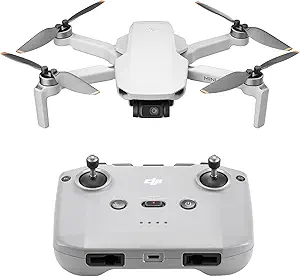 | Best Overall for Dependable 4K Capture | Camera: 4K UHD | Gimbal: 3-axis | Weight: Under 249 g | VIEW ON AMAZON | See Our Full Breakdown |
| drone cameras with 4k recording | Weight |
|---|---|
| DJI Mini 4K Camera Drone Combo | Under 249 g |
| Bwine F7GIM 4K Camera Drone wi | 357 g |
| Drone with Camera for Adults 4 | 220 g |
| Ruko Drone with 4K Camera | Under 249 g |
| GPS Drone with 4K Camera | Under 249 g |
| Oddire GPS Drone with 4K Camer | 249 g |
| N11 Pro 4K GPS Drone with Came | 181 g |
| PLEGBLE 4K Camera Drone for Be | Under 249 g |
| Ruko F11PRO 2 Drone with 3-Axi | — |
| DJI Mini 4K Fly More Combo Dro | Under 249 g |
| GPS Drone with 4K UHD Camera a | — |
| GPS Drone with 4K Camera and S | 220 g |
| Bwine F7MINI Drone with 4K Vid | Under 249 g |
| Ruko U11MINI 4K GPS Drone with | — |
| DJI Mini 4K Drone with 4K UHD | Under 249 g |
More Details on Our Top Picks
DJI Mini 4K Camera Drone Combo with 2 Batteries
The DJI Mini 4K makes the strongest all-round case for buyers who want stabilized 4K footage without moving to a heavier drone. Its three-axis gimbal helps keep video steady, while GPS Return to Home and one-tap takeoff and landing lower the workload for beginners. Two batteries provide up to 62 minutes of stated flight time across the set, a useful middle ground between the Bwine F7GIM’s 70-minute total and the Ruko’s three-battery 96-minute claim.
Its stated 10 km transmission range is longer than the Bwine’s 3 km figure, though real conditions affect range. The main inconvenience is setup: Android users must download DJI Fly from DJI’s website rather than Google Play. Choose this combo for a balanced camera-and-control package; skip it if you want a built-in screen or a simpler app installation.
Pros:- 4K UHD video supported by a three-axis gimbal
- Two batteries provide up to 62 minutes of stated flight time
- GPS Return to Home and one-tap takeoff and landing support beginner pilots
- Includes a remote controller, shoulder bag, and spare propellers
Cons:- DJI Fly must be downloaded from DJI’s website on Android devices
- The 10 km transmission figure depends on flight conditions
- Two batteries offer less stated total flight time than the Ruko’s three-battery set
Best for: New and returning drone pilots who want gimbal-stabilized 4K video, GPS return, and two batteries in a lightweight package.
Not ideal for: Buyers who require a controller with a built-in display or prefer installing Android apps only through Google Play.
- Weight:Under 249 g
- Video:4K UHD
- Gimbal:Three-axis stabilization
- Maximum video transmission:10 km
- Wind resistance:38 kph (Level 5)
- Stated maximum flight time:62 minutes with two batteries
- Flight features:One-tap takeoff and landing, GPS Return to Home, stable hovering, QuickShots
- Included accessories:DJI RC-N1C remote controller, shoulder bag, propeller holder, spare propellers
Our verdict“Choose the DJI Mini 4K combo for a well-rounded, stabilized 4K camera drone with beginner aids and two batteries.”
Bwine F7GIM 4K Camera Drone with 3-Axis Gimbal
The Bwine F7GIM is a good match for pilots who value stabilized 4K at 30 fps and want substantial total flight time. Its two 35-minute flights add up to a stated 70 minutes, edging past the DJI Mini 4K combo’s 62-minute figure. That total is split between batteries, though, so it does not mean one uninterrupted 70-minute flight. The three-axis brushless gimbal also makes it a more defined choice for steady video than the screen-controller drones here, whose camera stabilization is not specified.
GPS modes include follow, orbit, and waypoint planning, giving experienced beginners more automated shot options. The tradeoff is a 3 km maximum range, shorter than the DJI’s stated 10 km, and phone video transmission requires a wired connection. Pick the Bwine for its flight-time total and flight modes; skip it if wireless phone viewing or a very light sub-249 g body is a priority.
Pros:- Three-axis brushless gimbal stabilizes 4K video recorded at 30 fps
- Two batteries provide up to 70 minutes of stated total flight time
- GPS modes include follow, orbit, waypoint planning, and auto return
- Includes a carrying case and a Remote ID module
Cons:- The 70-minute total is divided into two flights of up to 35 minutes each
- Maximum stated range is 3 km, shorter than the DJI Mini 4K’s 10 km figure
- Phone video transmission requires a wired connection
Best for: Beginner and intermediate pilots who want a stabilized 4K camera, GPS-assisted flight modes, and two separate long battery sessions.
Not ideal for: Travel-focused buyers seeking a sub-249 g drone, or pilots who want wireless phone video transmission and a longer stated range.
- Camera:18 MP stills; 4K video at 30 fps
- Gimbal:Three-axis brushless
- Flight time:Up to 70 minutes total; up to 35 minutes per flight
- Maximum range:3 km
- Digital zoom:5×
- Weight:357 g
- Connectivity:Wired digital transmission; remote control
- Storage support:Micro SD card under 128 GB
- Compliance:FAA-compliant Remote ID module
Our verdict“Pick the Bwine F7GIM if two substantial battery sessions and gimbal-stabilized 4K matter more than lightweight travel or wireless phone viewing.”
Drone with Camera for Adults 4K, GPS Drone with 4.5″ Screen Controller, Brushless Motor, GPS Auto Return, Foldable RC Quadcopter with 60 Min Flight Time, Under 249g, Beginner Gift
This foldable drone’s 4.5-inch screen controller is its clearest distinction: pilots can view the live feed without mounting a smartphone. That may appeal to beginners who want a self-contained controller, while the DJI Mini 4K requires a phone-based setup. The package also lists 4K video, GPS auto return, and up to 60 minutes across two batteries, making it portable on paper and straightforward for casual flights.
There is a meaningful camera tradeoff: unlike the DJI Mini 4K and Bwine F7GIM, this listing does not specify a gimbal or other video stabilization. Its Wi-Fi connection may also limit usable viewing range, and no obstacle-avoidance system is listed. Choose it for the built-in display and under-249 g weight, not for demanding cinematic footage or flying near obstacles.
Pros:- Built-in 4.5-inch screen removes the need to use a smartphone as the display
- Lists 4K video and an adjustable camera lens
- GPS auto return and smart flight modes support beginner use
- Foldable body weighs 220 g and includes two batteries
Cons:- Camera stabilization is not specified, unlike the gimbals on the DJI Mini 4K and Bwine F7GIM
- Wi-Fi transmission may limit live-view range
- No obstacle-avoidance sensors are listed
Best for: First-time pilots who want a foldable, under-249 g drone and a controller screen that avoids relying on a smartphone.
Not ideal for: Video creators who need specified gimbal stabilization, longer-range live viewing, or obstacle-avoidance sensors.
- Video capture resolution:4K
- Effective still resolution:8.3 MP
- Controller display:4.5-inch built-in screen
- Weight:220 g
- Flight time:Up to 60 minutes with two 30-minute batteries
- Connectivity:Wi-Fi
- Flight features:One Button Return, Speed Adjustment
- Battery:Two 7.4 V, 1600 mAh lithium-ion batteries
Our verdict“Choose this model for phone-free live viewing and portability, but favor the DJI Mini 4K if stabilized 4K footage is your priority.”
Ruko Drone with 4K Camera, 8K Photos, and 96-Minute Flight Time
For buyers who want to stay airborne across a long outing, the Ruko stands apart with three batteries and up to 96 minutes of stated total flight time. Each battery is rated for up to 32 minutes, so the headline total means swapping batteries rather than flying continuously. Its 4K/30fps video is paired with a three-axis gimbal and electronic image stabilization, a stronger camera-stability specification than the screen-controller models in this roundup. A 48 MP sensor also supports its listed 8K still-photo resolution.
Compared with the DJI Mini 4K combo, the Ruko offers more stated total flight time and more batteries, while the DJI lists a longer transmission range. Ruko’s maximum is 6 km, and its 20,000-foot figure is a maximum claim rather than a guaranteed operating distance. Pick it for the battery bundle and camera stabilization; skip it if you want a smaller battery kit or longer stated range.
Pros:- 4K/30fps video combines a three-axis gimbal with electronic image stabilization
- Three batteries provide up to 96 minutes of stated total flight time
- 48 MP sensor supports listed 8K still photos
- GPS positioning and automatic return respond to low power or signal loss
Cons:- The 96-minute total requires using all three batteries, each rated for up to 32 minutes
- Maximum stated transmission range is 6 km, shorter than the DJI Mini 4K’s 10 km figure
- Warranty is listed as 90 days
Best for: Travel and landscape pilots who want multiple battery sessions, stabilized 4K/30fps video, and high-resolution still-photo capture.
Not ideal for: Pilots who prioritize the longest stated transmission range or do not want to manage three separate batteries.
- Camera sensor:1/2-inch 48 MP CMOS
- Video:4K at 30 fps
- Photo resolution:8K
- Stabilization:Three-axis brushless gimbal and EIS
- Total flight time:Up to 96 minutes with three batteries
- Flight time per battery:Up to 32 minutes
- Transmission range:Up to 20,000 feet (6 km)
- Weight:Under 249 g
- Positioning and return:TOF, optical flow, barometer, GPS; auto return on low power or signal loss
Our verdict“Choose the Ruko for its three-battery flight-time bundle and specified gimbal-plus-EIS stabilization, provided its shorter stated range suits your plans.”
GPS Drone with 4K Camera, 4.5-inch Screen Controller, 2 Batteries, 60-Minute Flight Time, FPV Brushless Motor, GPS Auto Return, Foldable Quadcopter for Beginners
This model pairs a built-in 4.5-inch HD controller screen with a 4K camera, so beginners can view the live feed without attaching a phone. Like the other screen-controller drone in this batch, the B0H8WL7MBY, it offers a convenient all-in-one setup; this listing adds named modes such as Follow Me, Tap Fly, and Point of Interest. Its GPS return features cover one-key return, low-battery return, and signal-loss return, giving new pilots clear automated recovery options.
Two batteries are listed for up to 60 minutes total, but each flight is capped at about 30 minutes. Compared with the DJI Mini 4K, this drone avoids smartphone dependence but does not specify a gimbal or camera stabilization, so its 4K label alone gives less assurance of smooth footage. Pick it for screen-based beginner control; skip it if stabilized video is central to your purchase.
Pros:- Built-in 4.5-inch HD screen supports phone-free live viewing
- Lists a 4K camera with 90-degree lens adjustment
- Two batteries provide up to 60 minutes of stated total flight time
- GPS return modes cover one-key, low-battery, and signal-loss returns
Cons:- Each battery is listed for about 30 minutes of flight, not a continuous 60-minute session
- Camera stabilization is not specified, unlike the DJI Mini 4K’s three-axis gimbal
- No obstacle-avoidance sensors are mentioned
Best for: Beginners who want a built-in controller display, GPS return safeguards, and guided flight modes without using a smartphone.
Not ideal for: Aerial video buyers who need specified gimbal stabilization or pilots seeking longer individual flights than the listed 30 minutes.
- Controller display:4.5-inch HD screen
- Camera resolution:4K
- Lens adjustment:90 degrees
- Flight time per battery:30 minutes
- Total flight time:Up to 60 minutes with two batteries
- Weight:Under 249 g
- Motor type:Brushless
- GPS features:One-Key Return, Low Battery Return, Signal Loss Return
- Smart modes:Follow Me, Tap Fly, Point of Interest
Our verdict“Choose this drone if a built-in screen and beginner-friendly GPS modes matter more to you than documented 4K stabilization.”
Oddire GPS Drone with 4K Camera, Foldable Design, Brushless Motor, and Two Batteries
The Oddire is a better fit for learning assisted flight than for buyers seeking genuine 4K video. Its GPS return, Follow, waypoint, and orbit modes offer more guided-flight options than the simpler beginner controls on the PLEGBLE 4K Camera Drone for Beginners. The 249 g foldable body and two batteries make it easier to carry and give it up to 48 minutes of combined flying, though that time is split between batteries.
The main catch is the camera specification: despite the 4K wording in its title, listed video resolution is 2048 × 1088, not 4K. It can capture 4096 × 3072 photos, but that does not make its video 4K. An SD card is also required for onboard storage and is not included. I’d choose it for its flight aids, not for high-resolution video.
Pros:- GPS auto return can respond to low battery or lost connection
- Follow, waypoint, and orbit modes provide several assisted flight options
- Two batteries offer up to 48 minutes of combined flight time
- Foldable design weighs 249 g for easier transport
Cons:- Listed video resolution is 2048 × 1088, not 4K
- SD card is required for onboard storage and is not included
Best for: Newer pilots who want GPS-assisted flight modes and a compact drone for practicing routes, orbit shots, and return-to-home.
Not ideal for: Buyers who need true 4K video or want onboard SD-card storage ready to use out of the box.
- Video resolution:2048 × 1088
- Photo resolution:4096 × 3072
- Lens:F2.15, 110° wide angle, adjustable within 90°
- Combined flight time:Up to 48 minutes with two batteries
- Weight:249 g
- Maximum transmission range:1,640 feet (500 meters)
- Flight features:GPS auto return, Follow, waypoint, orbit, gesture control, and 360° flip
- Storage:SD card or mobile device; SD card not included
Our verdict“Choose the Oddire for GPS flight practice and portability, but skip it if 4K video is the reason you are shopping.”
N11 Pro 4K GPS Drone with Camera
The N11 Pro’s clearest advantage is endurance: three batteries provide up to 90 minutes of combined flight time, giving it more total airtime than the PLEGBLE’s roughly 30 minutes or the Oddire’s 48. GPS and optical-flow positioning, alongside Follow Me, Tap Fly, and Point of Interest modes, make that airtime useful for practicing planned movements rather than only basic hovering.
Its camera, however, does not meet the 4K promise: listed video resolution is 2048 × 1080, while 4096 × 3072 applies to photos. That makes this a flight-time pick, not a video-resolution pick. The 90 minutes are spread across three batteries, so expect to land and swap them during a longer outing. I’d pass if sharp 4K footage matters more than extended practice.
Pros:- Three batteries provide up to 90 minutes of combined flight time
- GPS and optical flow support stable hovering
- Follow Me, Tap Fly, and Point of Interest add guided-flight options
- GPS return supports low-battery and lost-signal situations
Cons:- Video resolution is 2048 × 1080 rather than 4K
- The stated flight time is divided across three batteries
Best for: Pilots who want long practice sessions and GPS-guided flight modes, and who are comfortable changing batteries between flights.
Not ideal for: Creators specifically shopping for 4K video or buyers who want one uninterrupted long flight.
- Video resolution:2048 × 1080
- Photo resolution:4096 × 3072
- Camera field of view:100°
- Camera tilt:90° adjustable
- Combined flight time:Up to 90 minutes with three batteries
- Maximum control range:3,328 feet
- Positioning:GPS and optical flow
- Weight:181 g
Our verdict“Pick the N11 Pro for extended GPS-assisted practice, not for 4K video capture.”
PLEGBLE 4K Camera Drone for Beginners
Unlike the Oddire and N11 Pro, whose listed video resolutions fall short of 4K, the PLEGBLE is presented as a 4K camera drone. Its adjustable 120° wide-angle lens and real-time FPV give beginners a way to frame shots while viewing the feed, and remote or app control offers two ways to fly. One-key takeoff and landing, stable hover, and an emergency stop make its controls more approachable than the more mode-heavy GPS options in this group.
The tradeoff is limited camera detail: the supplied description does not state video stabilization or provide image-quality details beyond the 4K claim. Its two batteries provide about 30 minutes in total, less than the Ruko F11PRO 2’s stated 70 minutes, and longer outings mean battery swaps. It suits a first step into aerial video, but not buyers prioritizing documented stabilization or lengthy sessions.
Pros:- Stated 4K camera with a 120° wide-angle lens adjustable through 90°
- Real-time FPV transmission supports live framing
- Beginner aids include one-key takeoff and landing, stable hover, and emergency stop
- Foldable design weighs under 249 g
Cons:- About 30 minutes of flight time is shared across two batteries
- The provided description does not specify video stabilization or image quality beyond resolution
Best for: First-time flyers who want a foldable drone with a stated 4K camera, live FPV, and straightforward safety controls.
Not ideal for: Video creators who need specified stabilization or pilots planning longer outings without battery changes.
- Camera:4K, 120° wide-angle lens adjustable through 90°
- Flight time:About 30 minutes
- Batteries:2
- Weight:Under 249 g
- Control:Remote control and app control
- Motor:Brushless
- Flight modes:Three speed modes, 360° flips, headless mode, gesture photography, gravity sensing, and voice control
- Safety features:One-key takeoff and landing, stable hover, emergency stop, and signal-loss alarm
Our verdict“The PLEGBLE is a beginner-friendly 4K-labeled option, provided modest flight time and unspecified stabilization suit your plans.”
Ruko F11PRO 2 Drone with 3-Axis Gimbal, 4K Video and 6K Photos
The Ruko F11PRO 2 stands apart from the PLEGBLE because it specifies both 4K at 30 fps and a three-axis mechanical gimbal. That gimbal is the more meaningful distinction for moving aerial footage: it steadies the camera as the drone shifts, while the PLEGBLE’s supplied details do not specify stabilization. The Ruko also lists 6K photos and includes GPS return plus Follow, Waypoint, Cruise Control, and Orbit modes, giving pilots more tools for planned shots.
Two batteries provide up to 70 minutes total, but that is shared across battery swaps rather than one continuous flight. Its stated 10,000-foot transmission range is another advantage on paper, though actual range depends on conditions. Compared with the DJI Mini 4K Fly More Combo, this Ruko has a shorter listed total flight time; the DJI also provides a three-axis gimbal and three batteries.
Pros:- Records 4K video at 30 fps
- Three-axis mechanical gimbal helps steady footage
- Two batteries provide up to 70 minutes of combined flight time
- GPS return and automated modes include Follow, Waypoint, Cruise Control, and Orbit
Cons:- The 70-minute total is split across two batteries
- Maximum transmission range depends on flight conditions and environment
Best for: Buyers seeking specified 4K/30 fps recording, mechanical stabilization, and automated flight modes in a non-DJI option.
Not ideal for: Pilots who want the longest stated combined flight time in this group or expect the listed transmission range in every environment.
- Video capture:4K at 30 fps
- Still photos:6K photos; 19 MP effective
- Gimbal:Three-axis mechanical
- Batteries:2 included
- Total flight time:Up to 70 minutes
- Maximum transmission range:10,000 feet
- Battery capacity:3200 mAh
- Flight features:GPS auto return, Follow, Waypoint, Cruise Control, and Orbit
Our verdict“Choose the F11PRO 2 for specified 4K/30 fps recording with a mechanical gimbal, but compare its two-battery endurance with the DJI Mini 4K Fly More Combo.”
DJI Mini 4K Fly More Combo Drone with 4K UHD Camera
The DJI Mini 4K Fly More Combo is the strongest all-round choice here for buyers who put reliable 4K aerial footage first. Its 4K UHD camera and three-axis gimbal pair a clear recording format with mechanical stabilization, while QuickShots automate several camera moves for pilots who are still learning. Compared with the Ruko F11PRO 2, it includes three batteries and lists up to 93 minutes of combined flight time, versus the Ruko’s two batteries and up to 70 minutes.
The package also adds a two-way charging hub and shoulder bag, making it better equipped for travel than the PLEGBLE’s more basic setup. The tradeoffs are practical: DJI Fly must be downloaded from DJI’s website rather than Google Play, and stated flight time and transmission range vary with conditions. Its under-249 g weight does not remove the need to follow local drone rules.
Pros:- 4K UHD camera paired with a three-axis gimbal
- Three batteries provide up to 93 minutes of combined flight time
- QuickShots automate several camera movements
- Fly More Combo includes a two-way charging hub and shoulder bag
Cons:- DJI Fly must be downloaded from DJI’s website because it is unavailable on Google Play
- Flight time and transmission range vary with conditions and environment
- Local drone regulations still apply despite its under-249 g weight
Best for: Traveling beginners and hobbyists who want stabilized 4K footage, guided camera moves, and multiple batteries in one kit.
Not ideal for: Android users who only install apps through Google Play, or buyers unwilling to check local flight rules and operating conditions.
- Camera:4K UHD
- Gimbal:Three-axis
- Weight:Under 249 g
- Maximum flight time:Up to 93 minutes with three batteries
- Maximum video transmission range:10 km (32,800 feet)
- Wind resistance:Level 5 (38 kph)
- Maximum takeoff altitude:4,000 m
- Included accessories:Three batteries, two-way charging hub, and shoulder bag
Our verdict“Choose the DJI Mini 4K Fly More Combo for a travel-ready kit with stabilized 4K and the longest stated combined flight time among these five picks.”
GPS Drone with 4K UHD Camera and 3-Axis Gimbal
This model suits buyers who want 4K recording with a 3-axis gimbal and straightforward flight aids, rather than a long list of advanced camera specs. GPS and optical-flow positioning, return-to-home, and one-key takeoff and landing support a more approachable flying routine. Its two included batteries also give you another flight session without buying a spare right away. Compared with the DJI Mini 4K, it offers follow and circle modes, but its stated video transmission range is shorter than its maximum flight distance, so the usable live view may fall off before the drone reaches its listed flight limit. The 110° wide-angle lens gives a broad view, though camera-angle controls call for a gentle touch. I’d pick it for casual, feature-led flying, not for buyers prioritizing long-range live monitoring.
Pros:- 4K UHD camera paired with a 3-axis gimbal
- GPS and optical-flow positioning with return-to-home
- Two batteries included
- Follow and circle flight modes add simple automated shooting options
Cons:- Video transmission range is shorter than the maximum flight distance
- Camera-angle controls should be handled gently
Best for: New pilots who want a gimbal-stabilized 4K camera, GPS return features, and two batteries for casual outdoor filming.
Not ideal for: Pilots who need a long, dependable live video link across the full advertised flight distance or frequent camera-angle adjustments.
- Camera:4K UHD
- Gimbal:3-axis
- Lens:110° wide angle
- Camera angle:90° electronically adjustable
- Maximum flight distance:1,640 ft
- Video transmission range:985 ft
- Positioning:GPS and optical flow
- Batteries included:2
Our verdict“Choose this for approachable GPS-assisted 4K filming with a gimbal, but look at the DJI Mini 4K if transmission reach matters more.”
GPS Drone with 4K Camera and Screen Controller
The main reason to choose this drone is its 4.5-inch screen controller: you can frame 4K footage without relying on a separate smartphone. That makes setup simpler for beginners who prefer a dedicated control and display. Its 220 g weight is under 249 g, and the package includes two batteries for up to 60 minutes of total flight time, along with a 4GB SD card. Compared with the GPS Drone with 4K UHD Camera and 3-Axis Gimbal, this model makes the viewing setup more self-contained, but the provided data does not list a 3-axis gimbal, so buyers seeking the same stabilization detail should favor that option. The small fixed-capacity card may need frequent file management during extended recording. Indoor stability also depends on optical flow, which may struggle in low light.
Pros:- Dedicated 4.5-inch screen controller works without a smartphone
- Under-249 g listed weight
- Two batteries provide up to 60 minutes of combined flight time
- GPS auto-return and beginner-oriented flight controls
Cons:- Included 4GB SD card offers limited room for extended video recording
- Optical-flow indoor stability may struggle in low light
- Product details do not specify a 3-axis gimbal
Best for: Beginners who want a built-in screen instead of connecting a phone and plan short outdoor 4K filming sessions.
Not ideal for: Buyers who need generous onboard storage, reliable low-light indoor positioning, or a clearly specified 3-axis gimbal.
- Camera:4K UHD with 90° adjustable lens
- Controller:4.5-inch HD screen; no phone required
- Total flight time:Up to 60 minutes with two batteries
- Weight:220 g
- Battery:2 × 7.4 V 1600 mAh lithium-ion
- Connectivity:Wi-Fi
- Storage included:4GB SD card
- Motor type:Brushless
Our verdict“Pick this if a phone-free controller matters more than a stated gimbal system or roomy recording storage.”
Bwine F7MINI Drone with 4K Video and 8K Photo Camera
The F7MINI makes a strong case for travelers who want stabilized 4K/30fps video without carrying a heavier aircraft. It weighs under 249 g and pairs its camera with a 3-axis gimbal, while the 1/2-inch CMOS sensor and F1.8 aperture supply useful context beyond the headline resolution. Three batteries add up to a listed 96 minutes of total flight time, making it better suited to a full day of short shoots than the DJI Mini 4K, which lists 31 minutes per included battery. Its 6 km transmission range is also a substantial stated reach. The tradeoff is that the 96-minute figure spans three batteries, not one flight; one battery arrives installed and two separately packaged. Buyers should also weigh the less-established brand against DJI and note that indoor stability relies on optical flow.
Pros:- 3-axis gimbal stabilizes 4K/30fps video
- Under-249 g weight with a 1/2-inch CMOS sensor and F1.8 aperture
- Three batteries provide up to 96 minutes of combined flight time
- Listed transmission range reaches 6 km
Cons:- The 96-minute figure is combined time across three batteries, not one flight
- Two batteries are packaged separately, with one pre-installed
- Indoor stability relies on optical-flow positioning
Best for: Travel and real-estate creators who want a lightweight aircraft, gimbal-stabilized 4K/30fps video, and several battery sessions.
Not ideal for: Pilots who want a single-battery flight approaching the total advertised time, prefer a more established brand, or need simple indoor positioning.
- Video:4K at 30 fps
- Photo resolution:8K, 48MP
- Sensor and aperture:1/2-inch CMOS, F1.8
- Gimbal:3-axis stabilized
- Weight:Under 249 g
- Total flight time:Up to 96 minutes with three batteries
- Transmission range:6 km (20,000 ft)
- Wind resistance:Level 5
Our verdict“Choose the F7MINI for lightweight, gimbal-stabilized travel footage and long combined airtime, provided you are comfortable with its brand and indoor-positioning tradeoffs.”
Ruko U11MINI 4K GPS Drone with Camera
The Ruko U11MINI puts the emphasis on compact handling and beginner-friendly recovery features. Its 4K/30fps video is paired with a 3-axis brushless gimbal and electronic image stabilization, a useful combination for reducing camera shake when a new pilot is still learning smoother movements. GPS, TOF, and optical-flow positioning join three auto-return modes and a built-in beeper, giving this pick more recovery aids than the GPS Drone with 4K UHD Camera and 3-Axis Gimbal. Three batteries are listed for up to 96 minutes total, though that number is spread across battery changes rather than a single flight. PD 3.0 fast charging may help shorten waits between outings. The provided details do not state a transmission range or camera sensor size, so I’d favor the Bwine F7MINI if those documented imaging and range figures matter more.
Pros:- 3-axis brushless gimbal plus electronic image stabilization
- GPS, TOF, and optical-flow positioning
- Three auto-return modes and a built-in beeper
- Three batteries provide up to 96 minutes of combined flight time
Cons:- The 96-minute figure is total time across three batteries, not one flight
- Product details do not state transmission range or sensor size
Best for: New pilots seeking a small drone with multiple positioning systems, gimbal-stabilized 4K video, and several battery sessions.
Not ideal for: Buyers who need a clearly listed transmission range, sensor specification, or 96 minutes of flight on one battery.
- Video resolution:4K at 30 fps
- Photo resolution:8K
- Stabilization:3-axis brushless gimbal and electronic image stabilization
- Positioning:GPS, TOF, and optical flow
- Total flight time:Up to 96 minutes with three batteries
- Safety features:Three auto-return modes and built-in beeper
- Charging:PD 3.0 fast charging
- Warranty:90-day free warranty
Our verdict“Pick the U11MINI for compact, beginner-oriented 4K filming with layered recovery aids, but choose the Bwine F7MINI if listed range and sensor details guide your decision.”
DJI Mini 4K Drone with 4K UHD Camera
The DJI Mini 4K is the most balanced choice here for buyers who want 4K UHD footage with a specified 3-axis gimbal and a straightforward path from takeoff to edited clips. GPS Return to Home supports recovery, while QuickShots such as Helix, Rocket, and Boomerang provide repeatable camera moves without asking beginners to master complex control inputs. Its 10 km maximum transmission range is longer on paper than the 6 km listed for the Bwine F7MINI, although local conditions can affect real-world links. The main compromise is the included setup: one battery gives up to 31 minutes per flight, so the Bwine and Ruko options offer more total airtime through three batteries. DJI’s Fly app must also be downloaded from its website rather than Google Play. I’d rank this first for camera-and-control balance, not battery quantity.
Pros:- 4K UHD camera with 3-axis gimbal stabilization
- Under-249 g weight
- GPS Return to Home and beginner-friendly controls
- QuickShots include Helix, Dronie, Rocket, Circle, and Boomerang
Cons:- One battery is included, with up to 31 minutes of flight time per battery
- DJI Fly must be downloaded from DJI’s website rather than Google Play
Best for: First-time and returning pilots who prioritize stabilized 4K footage, automated camera moves, and a lightweight DJI setup.
Not ideal for: Buyers who want multiple batteries included, the longest combined flight time, or an app installation directly through Google Play.
- Camera:4K UHD
- Gimbal:3-axis
- Weight:Under 249 g
- Maximum flight time:Up to 31 minutes per battery
- Maximum transmission range:10 km (32,800 ft)
- Wind resistance:38 kph, Level 5
- Included battery count:1
- Automated shooting modes:Helix, Dronie, Rocket, Circle, Boomerang
Our verdict“Choose the DJI Mini 4K for a well-rounded lightweight 4K camera drone with gimbal stabilization and automated shots, unless extra batteries are your priority.”

How We Picked
I ranked these 15 drones around the question buyers actually face: which one is likely to make 4K aerial video practical for their skill level and shooting plans? I gave more weight to useful camera support, including a stated 3-axis gimbal, than to resolution claims on their own. I also compared battery bundles, portability, GPS features, controller setup, and beginner-friendly signals such as return-to-home features. These details affect whether a drone is ready for a short casual flight, a longer outing, or more deliberate footage capture.
The ranking favors options with a clear use case and a persuasive balance of video support, ease of ownership, and included equipment. The DJI Mini 4K leads as the most straightforward all-around choice; the Fly More Combo fits longer sessions, while the Ruko F11PRO 2 and Bwine F7GIM earn attention for their gimbals. Models with screen controllers or long stated flight times may suit specific buyers, but I rank them below picks with a more clearly defined camera or bundle advantage. Product names and advertised specifications are taken from the supplied lineup; I do not treat “4K” or a claimed flight-time figure as a guarantee of real-world results.
Factors to Consider When Choosing Drone Cameras With 4k Recording
When I compare 4K camera drones, I look past the resolution label and ask what will shape the footage, the flight, and the amount of setup each outing requires. These factors help separate a camera-focused choice from a beginner convenience pick.
Check Stabilization Before Chasing Resolution
4K describes image resolution, not how steady a clip will look when the drone moves or encounters wind. A stated 3-axis gimbal is a useful distinction because it physically stabilizes the camera across movement, while a listing that only says 4K does not establish the same support. Think about your intended shots: slow landscapes may be forgiving, while tracking a moving subject can expose shaky footage. Avoid assuming that a higher photo-resolution claim means smoother video. If the product information does not clearly identify stabilization, treat video steadiness as an unanswered question rather than a proven feature.
Plan for Batteries, Not Just Flight-Time Headlines
A quoted maximum flight time describes a claim for a flight, not how long a full day of filming will feel. Wind, repeated takeoffs, hovering, and the time spent repositioning can all affect the usable time you get from a battery. Compare number of included batteries and whether the package is a standard or expanded combo before deciding. Extra batteries can mean more chances to capture a scene without ending the outing to recharge. A common mistake is choosing a drone on its single-flight figure while overlooking the bundle contents and recharge routine.
Match the Controller to Your Flying Setup
A controller with a built-in screen can simplify viewing by avoiding a separate phone mount or connection step. That convenience may matter to a new flyer, but it does not automatically improve the camera or make the drone easier to transport. Check the controller details and the screen size stated in the listing, then consider whether the included setup fits your hands and preferences. Buyers who already rely on a phone-based control arrangement may prefer a different package. Compare the complete control system, not just the presence of a screen.
Choose Portability for the Trips You Actually Take
Foldable designs and compact positioning can make a drone easier to carry to a viewpoint, but compactness is only useful if the rest of the kit travels well too. Account for batteries, controller, charging gear, and any case you plan to use. The DJI Mini 4K family is a natural place to look when a compact option is a priority, while buyers focused on gimbal-equipped models may accept a different kit for their camera needs. Do not infer exact carry weight from a product name; confirm the current listing and local rules. The best travel drone is the one you will bring along and can fly where permitted.
Separate GPS Convenience From Camera Performance
GPS features such as return-to-home can help with orientation and recovery, which is especially welcome for newer pilots. They do not replace safe flying, a clear view of the drone, or learning the controls. Likewise, brushless motors and advertised flight times describe other parts of the package, not the quality of 4K footage. When two listings both promise UHD video, compare their camera stabilization, control features, and included batteries rather than letting a long feature list decide for you. Give extra weight to the features that solve a problem you expect to have.
Spend More Only for a Benefit You Will Use
Paying for a larger bundle makes sense when multiple batteries will extend your outings; paying for a gimbal makes sense when stable moving footage is a priority. A screen controller can be valuable if it removes friction from your flying setup, while photo-resolution claims matter more to someone who plans to capture stills. Avoid buying on the assumption that a longer specification list means better video. Check what is actually included and which claims apply to video versus photos. A focused 4K camera drone can suit casual filming better than a feature-heavy model whose extras you will rarely use.
Frequently Asked Questions
Is a drone with a 3-axis gimbal a better choice for 4K video?
It can be, especially if you want footage that stays steadier while the drone moves. In this lineup, the Ruko F11PRO 2 and Bwine F7GIM explicitly advertise 3-axis gimbals, making them clearer choices for buyers prioritizing that feature than models described only as 4K. A gimbal does not guarantee excellent footage in every condition, and flight skills and environment still matter. Compare stabilization details alongside camera resolution. If you mostly take brief, slow shots, a gimbal may matter less than extra batteries or simpler controls.
Should I choose the DJI Mini 4K or the Fly More Combo?
The main distinction highlighted in this lineup is the bundle: the Fly More Combo includes extra batteries, while the standard DJI Mini 4K is the simpler package. Choose the combo if you expect to make several flights during an outing and value having spare power on hand. The standard option may suit someone who is learning, flies occasionally, or would rather add accessories only if needed. Check the exact box contents before buying, since bundle details can vary by listing. Neither package changes the basic question of whether the DJI Mini 4K’s camera and controls suit your needs.
Are advertised flight times a reliable way to compare these drones?
Use them as a comparison point, not a promise of how much filming you will get. The lineup includes models advertising figures such as 60 or 96 minutes, but product claims may refer to a particular flight and conditions can affect usable time. Wind, hovering, repeated maneuvers, and landing with a safe reserve all reduce the time available for recording. Look at the number of batteries in the package as well as the stated flight time. For practical planning, extra batteries can matter more than a single headline figure.
Does an 8K photo claim mean the drone records better video than 4K models?
No; photo resolution and video resolution describe different capture modes. Several products in this roundup advertise 8K photos, and the Ruko F11PRO 2 lists 6K photos alongside 4K video, but those still-image claims do not establish better video stabilization or higher video resolution. If your priority is aerial clips, compare the video specifications and whether a gimbal is stated. If you also plan to crop or print still photographs, photo resolution may carry more weight. Check the exact modes available in the product listing before making the choice.
Is a built-in screen controller worth choosing for a beginner?
It may simplify the setup by giving you a dedicated display instead of relying on a phone mounted to the controller. That convenience can be attractive for a beginner, but it does not replace learning the controls or checking GPS and return-to-home features. A screen controller also does not, by itself, say anything about 4K image quality. Compare the display and control details with the battery bundle and stabilization features. If you already prefer using your phone, the included screen may add less value for you than a gimbal or spare batteries.
Conclusion
For best overall, I’d choose the DJI Mini 4K for a clear, straightforward route to 4K aerial video. The best value in practical flight time is the DJI Mini 4K Fly More Combo if you want its extra batteries included, while the best premium-style camera support in this lineup is the Ruko F11PRO 2, with its stated 3-axis gimbal and 4K video. For a beginner who values a simple package, start with the DJI Mini 4K; if a built-in display matters more, compare the GPS models with screen controllers. For steadier footage, consider the Bwine F7GIM alongside the Ruko, and for photo-focused shooting, compare models advertising 6K or 8K photos while checking their separate video details. The right pick depends on whether your priority is stable clips, more time in the air, portability, or an easier control setup.