Poor water quality, with high mineral levels and sediment, can considerably reduce your appliances’ efficiency and lifespan. Hard water causes corrosion in metal parts, leading to leaks and early failure. Sediments clog filters and strain pumps, decreasing performance and increasing energy use. Over time, mineral deposits build up, making appliances less effective and more costly to operate. By understanding these effects, you’ll discover how proper water treatment can help your appliances last longer and work better.

Get baby and family essentials delivered free — and shop member deals
- Fast, free delivery on millions of items
- Access to Prime Big Deal Days deals on October 6–7
- Prime Video, Amazon Music and more included
Key Takeaways
- High mineral content causes corrosion, weakening appliance parts and reducing overall efficiency.
- Sediment buildup restricts water flow and impairs heat transfer, increasing energy consumption.
- Mineral deposits and debris clog filters, strain pumps, and diminish cleaning performance.
- Poor water quality accelerates wear and tear, leading to more frequent repairs and shorter appliance lifespan.
- Proper filtration and maintenance maintain optimal performance and prevent efficiency loss.
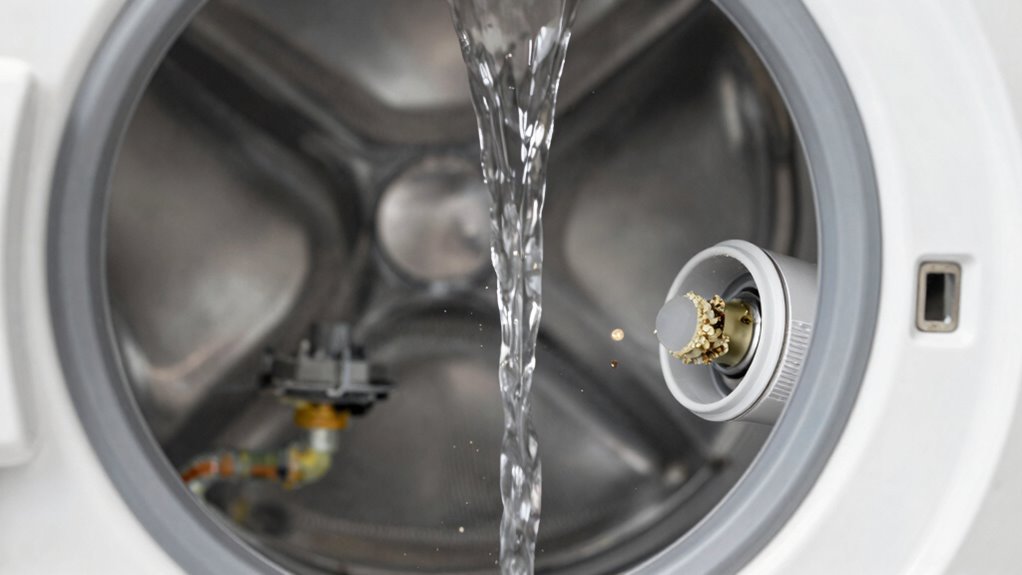
Water quality directly impacts the efficiency and lifespan of household appliances. When your water contains high levels of minerals or impurities, it can cause problems that lead to costly repairs and early replacement. One significant issue is corrosion, which happens when minerals like calcium, magnesium, or even substances like chlorides interact with metal components inside appliances. Corrosion prevention becomes vital, especially in appliances like dishwashers, washing machines, and water heaters, where water is constantly in contact with metal parts. If corrosion isn’t managed, it can weaken components, cause leaks, and reduce overall appliance efficiency. Regular maintenance, including the use of water softeners or corrosion inhibitors, can help protect your appliances from this damage.
Sediment buildup is another common problem caused by poor water quality. When water contains high levels of dirt, sand, or other particles, these sediments can settle inside pipes and appliances over time. This buildup restricts water flow, making appliances work harder than they should, which wastes energy and accelerates wear and tear. Sediment accumulation in water heaters, for example, insulates the heating element and reduces heat transfer efficiency, leading to increased energy consumption. It can also clog filters and strain pumps in washing machines, dishwashers, and other appliances. To prevent sediment buildup, installing a sediment filter or regularly flushing your appliances can keep debris out of critical parts, ensuring they run smoothly and efficiently. Additionally, understanding water chemistry is essential for choosing the right filtration systems tailored to your water quality. Regular testing can also help detect impurities, allowing you to address issues before they cause significant damage. Properly managing water composition can significantly extend your appliances’ lifespan and performance.
The impact of water quality extends beyond just physical damage. When appliances have to work harder due to mineral deposits or sediment accumulation, they consume more energy and may not perform as effectively. For instance, a dishwasher with mineral deposits may leave spots or residue on dishes, while a washing machine might develop foul odors or mold due to trapped debris. Over time, these issues compromise cleaning performance and can lead to increased utility bills. Addressing water quality through filtration systems or regular maintenance can help you avoid these problems, saving you money and prolonging your appliances’ lives. Maintaining proper water treatment is crucial for reducing the buildup of impurities and ensuring consistent appliance operation.
Ultimately, understanding how water quality affects your household appliances enables you to take proactive steps. By focusing on corrosion prevention and managing sediment buildup, you can maintain peak appliance function, reduce repair costs, and extend their lifespan. Regularly testing your water and investing in appropriate filtration solutions ensures that impurities don’t undermine your appliances’ performance. When you prioritize water quality, you’re not just protecting your appliances—you’re also ensuring they operate efficiently for years to come, saving you time, money, and frustration.
As an affiliate, we earn on qualifying purchases.
Frequently Asked Questions
How Often Should I Test My Water Quality at Home?
You should test your water quality at home at least once a year to guarantee appliances run efficiently. For well water or if you notice changes in taste, smell, or appearance, increase the frequency of monitoring—every six months or quarterly. Regular water testing helps identify contaminants early, preventing damage and ensuring your appliances operate at their best. Staying proactive with water testing safeguards your appliances and your health.
Can Water Softeners Improve All Appliance Performances?
Ever wonder if softening your water could transform your appliances? Water softening definitely improves their performance by reducing mineral buildup, which can clog and damage components. Softened water enhances efficiency, cuts down on energy use, and extends appliance longevity. So yes, investing in a water softener can make all your appliances run smoother and last longer, saving you money and headaches in the long run.
What Are Signs My Appliances Are Affected by Water Quality?
You’ll notice signs like increased water bills, slower appliance performance, or strange noises, indicating water quality issues. Water corrosion can cause rust-colored stains and damage to internal components, while sediment clogs may lead to reduced water flow or frequent breakdowns. If your appliances struggle with these problems, it’s a clear sign that poor water quality is affecting their efficiency, and you should consider water treatment options to protect your appliances.
Are There Specific Water Filters for Different Appliances?
Yes, there are specific water filters for different appliances. You should consider filtration types like activated carbon, reverse osmosis, or sediment filters, depending on your appliance’s needs. Always check appliance compatibility before purchasing; some filters are designed for water softeners, refrigerators, or dishwashers. Properly matching filtration types to your appliances guarantees ideal performance and longevity, preventing damage caused by impurities and mineral buildup.
How Does Mineral Buildup Damage Appliances Over Time?
Mineral buildup can turn your appliances into ticking time bombs. Over time, mineral deposits clog filters and damage internal parts, causing appliances to work harder and break down faster. These deposits also accelerate corrosion risks, weakening metal components and leading to leaks or failures. Left unchecked, mineral buildup shortens the lifespan of your appliances, making maintenance costly and frustrating. Regular water treatment helps prevent these issues and keeps your appliances running smoothly.
Conclusion
Imagine your appliances as delicate dancers, moving gracefully across a stage. When water quality is poor, it’s like introducing rough, tangled threads into their routine, causing them to stumble and slow down. Keeping your water clean and clear is like giving your appliances a smooth, polished dance floor—allowing them to perform their best without hesitation. When you prioritize water quality, you’re not just protecting your appliances; you’re ensuring they glide effortlessly through every cycle, shining brighter and lasting longer.
Halloween Picks
halloween
As an affiliate, we earn on qualifying purchases.