Among these premium backpacking sleeping bags, I rank the Therm-a-Rest Parsec 20°F as the best overall for balancing backpacking-ready weight with cold-weather warmth. The Therm-a-Rest Parsec 32°F is a better match for mild trips where low packed weight matters most, while the Kelty Cosmic 20 offers a more accessible path to a down mummy bag with recycled fabrics and PFAS-free DWR. The main tradeoffs are warmth versus weight, down versus synthetic insulation, and specialized backpacking performance versus broader campsite comfort. Temperature ratings and fit can also change how warm a bag feels in real use. Read on for the full breakdown and guidance on choosing the right bag for your trips.

Turn the school run and nap time into listening time
- Thousands of audiobooks, podcasts and originals
- Listen on your phone, tablet or Echo — also offline
- Cancel anytime
Complete the kit
Key Takeaways
- The Parsec 20°F is the strongest all-around backpacking fit in this lineup, while the Parsec 32°F makes more sense when trips stay mild and pack weight takes priority.
- Kelty’s Cosmic 20 and Galactic 30 favor approachable versatility over the more specialized, weight-focused role of the Therm-a-Rest Parsec bags.
- The ZOOOBELIVES AlpliveD1500 and TETON TrailHead 5°F target colder conditions; their lower temperature labels do not automatically make them better choices for three-season trips.
- Down bags dominate the lineup’s premium backpacking options, but the synthetic TETON Sports models may suit buyers who put more emphasis on damp-weather practicality or simpler care.
- Several choices have a narrower use case than the title category suggests: the Naturehike Lightweight Compact and TETON ALTOS are worth comparing for specific priorities, not assuming they match a technical down bag’s warmth-to-weight focus.
| Naturehike 650 Fill Power Down Sleeping Bag |  | Best for Adjustable Warmth | Occupancy: 1 person | Season: 3 seasons | Down fill power: 650 | VIEW ON AMAZON | See Our Full Breakdown |
| Kelty Cosmic 20 Down Mummy Sleeping Bag – 550 Fill Power, Recycled Fabrics with PFAS-Free DWR |  | Best for Lower-Impact Three-Season Trips | Occupancy: 1 person | Season: 3 seasons | Weight: 2.6 lb | VIEW ON AMAZON | See Our Full Breakdown |
| ZOOOBELIVES AlpliveD1500 10°F Down Sleeping Bag |  | Best for Roomy Cold-Weather Comfort | Occupancy: 1 person | Season: Winter | Down fill: 35 oz of 550+ fill power down | VIEW ON AMAZON | See Our Full Breakdown |
| Naturehike Lightweight Compact Sleeping Bag | 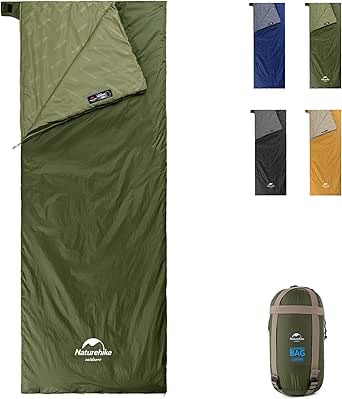 | Best for Mild-Weather Budget-Conscious Backpacking | Weight: 1.68 lb (0.76 kg) | Dimensions: 80.7 × 33.5 in | Packed size: 5 × 12 in (13 × 31 cm) | VIEW ON AMAZON | See Our Full Breakdown |
| Therm-a-Rest Parsec 20°F Down Sleeping Bag |  | Best Premium Ultralight Pick | Season: All seasons, as listed | Occupancy: 1 person | Fill: 900-fill RDS-certified hydrophobic down | VIEW ON AMAZON | See Our Full Breakdown |
| Kelty Galactic 30°F Down Sleeping Bag |  | Best for Versatile Milder-Weather Camping | Occupancy: 1 person | Insulation: 550-fill-power RDS-certified down | Shape: Rectangular | VIEW ON AMAZON | See Our Full Breakdown |
| TETON Sports LEEF Ultralight Mummy Sleeping Bag |  | Best Synthetic Pick for Damp-Weather Trips | Occupancy: 1 person | Shape: Mummy | Fill material: Microfiber | VIEW ON AMAZON | See Our Full Breakdown |
| BUERTS Down Sleeping Bag for Adults, 680FP, Cold Weather |  | Best Hybrid Cut for Roomier Foot Space | Occupancy: 1 person | Fill material: Traceable down | Fill power: 680FP | VIEW ON AMAZON | See Our Full Breakdown |
| Therm-a-Rest Parsec 32°F Ultralight Down Mummy Sleeping Bag |  | Best Premium Ultralight for Mild Alpine Nights | Fill: 800-fill Nikwax Hydrophobic Down | Shape: Mummy | Size: Long | VIEW ON AMAZON | See Our Full Breakdown |
| TETON Sports TrailHead Ultralight Mummy Sleeping Bag, 5°F |  | Best Synthetic Option for Cold Conditions | Occupancy: 1 person | Seasons: All seasons | Shape: Mummy | VIEW ON AMAZON | See Our Full Breakdown |
| TETON Sports ALTOS Ultralight Mummy Sleeping Bag for Adults |  | Best Roomy Synthetic Pick | Occupancy: 1 person | Shape: Mummy | Temperature options: 20°F and 0°F | VIEW ON AMAZON | See Our Full Breakdown |
| premium backpacking sleeping bag | Occupancy | Dimensions | Shape | Weight |
|---|---|---|---|---|
| Naturehike 650 Fill Power Down | 1 person | — | — | — |
| Kelty Cosmic 20 Down Mummy Sle | 1 person | 78 × 30 in | — | 2.6 lb |
| ZOOOBELIVES AlpliveD1500 10°F | 1 person | 83 × 31 × 20 in | Mummy | — |
| Naturehike Lightweight Compact | — | 80.7 × 33.5 in | — | 1.68 lb (0.76 kg) |
| Therm-a-Rest Parsec 20°F Down | 1 person | 80 × 31 in | Mummy | 1 lb 13 oz (820 g) |
| Kelty Galactic 30°F Down Sleep | 1 person | 75 x 33 in | Rectangular | — |
| TETON Sports LEEF Ultralight M | 1 person | — | Mummy | — |
| BUERTS Down Sleeping Bag for A | 1 person | 85.5 x 32.3 in | Mummy upper section with envelope-style lower section | 3.4 lb |
| Therm-a-Rest Parsec 32°F Ultra | — | 85 x 32.5 in | Mummy | 1.7 lb |
| TETON Sports TrailHead Ultrali | 1 person | 87 x 34 in | Mummy | 4.1 lb |
| TETON Sports ALTOS Ultralight | 1 person | 84 × 32 inches | Mummy | 3.5 pounds |
More Details on Our Top Picks
Naturehike 650 Fill Power Down Sleeping Bag
The Naturehike stands out for buyers who want down insulation and a more flexible shape without moving to a heavier, roomier cold-weather bag. Its RDS-certified 650-fill duck down, neck collar, and draft guards provide a warmer, more protective setup than the synthetic Naturehike Lightweight Compact Sleeping Bag. It can also unfold as a blanket, which suits camp use beyond overnight backpacking. The main catch is that the stated temperature performance depends on the model: the CW700 and CW1000 have very different comfort ratings, so I would confirm the exact version before choosing it for a cold route. At 1.07 kg in medium or 1.314 kg in large, it is not as weight-focused as the Therm-a-Rest Parsec, but its semi-rectangular cut may appeal to sleepers who dislike a tight mummy fit.
Pros:- RDS-certified duck down with 650 fill power
- Neck collar and draft guards help limit heat loss
- Can be unfolded and used as a blanket
- Semi-rectangular shape offers more room than a close-fitting mummy cut
Cons:- Large size weighs 1.314 kg, excluding the outer bag
- Temperature ratings vary considerably between CW700 and CW1000 models
- Listed warranty is one year
Best for: Backpackers who want certified down, extra draft protection, and a bag that can also serve as a blanket at camp
Not ideal for: Ultralight hikers or buyers choosing by temperature rating alone without confirming whether the listing is for the CW700 or CW1000
- Occupancy:1 person
- Season:3 seasons
- Down fill power:650
- Down fill weight:700 g
- Down certification:RDS certified
- Shell:400T 20D ripstop nylon
- Medium size and weight:210 × 75 cm; 1.07 kg, excluding outer bag
- Large size and weight:220 × 85 cm; 1.314 kg, excluding outer bag
Our verdict“Choose the Naturehike if you want certified down and a more versatile shape, but verify the model’s temperature rating before relying on it for cold nights.”
Kelty Cosmic 20 Down Mummy Sleeping Bag – 550 Fill Power, Recycled Fabrics with PFAS-Free DWR
The Kelty Cosmic 20 is a practical three-season choice when recycled materials and straightforward backpacking utility matter more than the lightest possible load. Its 550-fill RDS-certified down is less lofty than the Therm-a-Rest Parsec’s 900-fill insulation, but the Cosmic pairs it with a recycled shell and liner and PFAS-free DWR. That combination gives this bag a distinct materials-focused role in the lineup. Dual-direction zippers and a draft tube add useful ventilation and help limit heat escaping around the closure. At 2.6 lb, though, it is heavier than the Parsec’s 1 lb 13 oz, so I would not pick it for trips where every ounce counts. Its stated 20°F comfort rating also makes it a poor match for winter conditions without a warmer sleep system.
Pros:- RDS-certified 550-fill duck down
- Recycled shell and liner with PFAS-free DWR
- Dual-direction zippers allow ventilation and easier adjustment
- Draft tube helps reduce heat loss through the zipper
Cons:- At 2.6 lb, it weighs more than the Therm-a-Rest Parsec
- 20°F comfort rating is not suited to very cold winter conditions
- 550-fill down is less lofty than the higher-fill-power down in premium ultralight alternatives
Best for: Three-season backpackers who want certified down and recycled, PFAS-free-treated fabrics in a familiar mummy shape
Not ideal for: Ultralight hikers prioritizing minimum pack weight, or winter campers needing reliable warmth below the stated comfort rating
- Occupancy:1 person
- Season:3 seasons
- Weight:2.6 lb
- Fill power:550
- Down certification:RDS certified
- Shell:Recycled 20D nylon taffeta
- Liner:50D polyester
- Water-repellent treatment:PFAS-free DWR
- Dimensions:78 × 30 in
Our verdict“Pick the Cosmic 20 for three-season trips where recycled materials matter more than minimizing weight or preparing for deep cold.”
ZOOOBELIVES AlpliveD1500 10°F Down Sleeping Bag
Among these picks, the AlpliveD1500 puts the strongest emphasis on a roomy cut and cold-weather details rather than a low pack weight. It has 35 oz of 550+ fill power down, an adjustable hood, draft collar, insulated draft tube, and an anatomic foot box—features that give it a more protective setup than the three-season Kelty Cosmic 20. The 83-inch length and 31-inch width can suit taller or less confined sleepers, while the packed size is specified at about 10 × 7 × 15 inches. That comfort comes with a real backpacking penalty: the description flags it as bulky compared with ultralight bags, and it recommends an insulated pad and extra layers for colder conditions. I would favor the Parsec for weight-conscious three-season trips, but choose this one when room and insulation details take priority.
Pros:- 35 oz of 550+ fill power down
- Draft collar, insulated draft tube, and adjustable hood help limit heat loss
- Roomier dimensions and an anatomic foot box reduce the confined feel of a mummy bag
- YKK zipper and internal pocket add practical details
Cons:- Bulky compared with ultralight backpacking bags
- Cold-weather use may require an insulated sleeping pad and extra layers
- 83-inch length may be more bag than shorter sleepers need
Best for: Backpackers who want a roomy down bag with draft-blocking features for cold-weather trips and do not mind a bulkier carry
Not ideal for: Ultralight hikers or campers who need a complete cold-weather sleep system without adding an insulated pad and warm layers
- Occupancy:1 person
- Season:Winter
- Down fill:35 oz of 550+ fill power down
- Shell:20D ripstop nylon
- Shape:Mummy
- Dimensions:83 × 31 × 20 in
- Packed size:About 10 × 7 × 15 in
- Closure:YKK zipper
- Maximum recommended height:6.92 ft
Our verdict“Choose the AlpliveD1500 when a roomy cut and cold-weather features matter more than carrying the smallest, lightest bag.”
Naturehike Lightweight Compact Sleeping Bag
This Naturehike is the outlier in a premium down roundup: its imitation silk cotton fill and lack of a stated temperature rating make it better suited to mild trips than to cold-weather backpacking. Its 1.68 lb weight and 5 × 12 in packed size are appealing for hikers who want a compact carry, while the generous 80.7 × 33.5 in dimensions allow more movement than the close-fitting Therm-a-Rest Parsec. But that extra room does not replace the warmth-to-weight advantages of down; the Parsec uses 900-fill hydrophobic down and specifies a 20°F model rating, while this bag provides no equivalent temperature figure in the supplied data. I would treat it as a simple warm-weather option, not a substitute for the more technical bags here. Hand washing is another tradeoff for backpackers who prefer easy-care gear.
Pros:- Light 1.68 lb listed weight
- Compact 5 × 12 in packed size with compression sack
- Roomy dimensions allow more sleeping movement than a narrow mummy bag
- Nylon fabric and reinforced seams are suited to regular camp use
Cons:- Imitation silk cotton fill is not the down insulation used in the premium alternatives
- No temperature rating is provided in the supplied product data
- Hand-wash care is less convenient than machine-washable gear
Best for: Mild-weather backpackers and campers who value a roomy fit and compact packed size over down insulation or a defined cold-weather rating
Not ideal for: Backpackers planning cold or variable-weather trips who need a published temperature rating and high warmth-to-weight performance
- Weight:1.68 lb (0.76 kg)
- Dimensions:80.7 × 33.5 in
- Packed size:5 × 12 in (13 × 31 cm)
- Fill:Imitation silk cotton, 80 g/m²
- Fabric:Nylon
- Included accessory:Compression carrying sack
- Care instructions:Hand wash
- Origin:Imported
Our verdict“Consider this Naturehike for mild-weather trips where compact packing and room to move matter more than a verified cold-weather rating.”
Therm-a-Rest Parsec 20°F Down Sleeping Bag
The Parsec is the clearest choice here for backpackers who want premium down performance without carrying a heavier, roomier bag. At 1 lb 13 oz, it is lighter than the Kelty Cosmic 20 and far lighter than the ZOOOBELIVES AlpliveD1500, while its 900-fill RDS-certified hydrophobic down prioritizes warmth for the carried weight. Zoned baffles place insulation where it is intended to do the most work, and the integrated foot warmer targets a common cold spot. The tradeoff is a more restrictive fit: its 80 × 31 in dimensions and 72-inch maximum recommended height rule out taller users, unlike the longer AlpliveD1500. Down still needs care when wet, despite the hydrophobic treatment. I would choose the Parsec for weight-conscious three-season backpacking, not for a roomy cut or a carefree wet-weather setup.
Pros:- 900-fill RDS-certified hydrophobic down
- Light 1 lb 13 oz weight and 7 × 10.5 in packed size
- Zoned baffles and integrated foot warmer target areas where heat loss can be a concern
- YKK anti-snag zipper supports easier entry and exit
Cons:- Maximum recommended height is 72 inches
- Mummy shape may feel restrictive compared with the ZOOOBELIVES AlpliveD1500
- Down still needs protection and care to maintain performance when wet
Best for: Weight-conscious three-season backpackers up to 72 inches tall who want high-fill-power down and a compact packed size
Not ideal for: Taller sleepers, buyers who prefer a roomy bag, or hikers who expect prolonged wet conditions and cannot protect down insulation
- Season:All seasons, as listed
- Occupancy:1 person
- Fill:900-fill RDS-certified hydrophobic down
- Shape:Mummy
- Dimensions:80 × 31 in
- Weight:1 lb 13 oz (820 g)
- Packed size:7 × 10.5 in
- Maximum recommended height:72 in
- Closure:YKK anti-snag zipper
Our verdict“Choose the Parsec if low pack weight and premium down matter more than extra sleeping room or wet-weather simplicity.”
Kelty Galactic 30°F Down Sleeping Bag
The Kelty Galactic 30°F is a good fit for backpackers who want down compressibility without committing to a close-fitting mummy shape. Its rectangular cut gives sleepers more room to shift, while the two-way zipper lets them vent at the feet or adjust warmth from above. At 2 lb 14 oz, it weighs more than the Therm-a-Rest Parsec 32°F, but its roomier shape may suit campers who find mummy bags restrictive. A second Galactic can zip alongside it for shared trips, though that option adds the weight and packing needs of another bag. The 30°F rating points to milder conditions, not reliably cold nights, and its 550-fill down is less lofty than the Parsec’s 800-fill insulation. I’d choose it for comfort and flexibility over minimum pack weight.
Pros:- Compressible 550-fill-power down keeps packed bulk manageable
- Rectangular shape gives sleepers more room than a mummy cut
- Two-way zipper supports foot ventilation and temperature adjustment
- Can zip to a second compatible Galactic bag
Cons:- At 2 lb 14 oz, it is much heavier than the 1.7-pound Therm-a-Rest Parsec 32°F
- The 30°F rating may fall short on cold nights
- The rectangular design is less suited to weight-conscious backpackers than a mummy bag
Best for: Backpackers who prefer a roomy rectangular bag for mild-weather trips and may want to zip two compatible bags together
Not ideal for: Ultralight hikers or anyone planning cold-weather trips who needs the lowest carry weight or a warmer rating
- Occupancy:1 person
- Insulation:550-fill-power RDS-certified down
- Shape:Rectangular
- Total weight:2 lb 14 oz
- Dimensions:75 x 33 in
- Maximum user height:78 in
- Packed size:15 x 8 in
- Shell material:Polyester taffeta
Our verdict“Choose the Galactic for a roomy, zip-together down bag on mild trips, not for cold-weather or ultralight objectives.”
TETON Sports LEEF Ultralight Mummy Sleeping Bag
The TETON Sports LEEF is the synthetic alternative in this group for backpackers who value a water-resistant shell and a shaped, warmth-focused fit. Its contoured hood and built-out foot box reduce exposed space around the head and feet, while microfiber insulation avoids relying on down. That makes it a different proposition from the Kelty Galactic 30°F, which offers down compressibility and a roomier rectangular cut. The LEEF’s ripstop shell and included compression sack support trail use, and the interior pocket keeps small items close. Its listed 20°F rating is more cold-oriented than the Galactic’s 30°F, but the product data notes that temperature and size options vary by model, so buyers should verify the specific version. Synthetic insulation can also take more pack space than down, a notable tradeoff on long hikes.
Pros:- Water-resistant polyester ripstop shell adds protection in damp conditions
- Contoured hood and built-out foot box support warmth
- Compression sack and interior zip pocket are included
- Lifetime warranty against defects in materials or workmanship
Cons:- Microfiber insulation may pack larger than the down used in the Kelty Galactic 30°F
- Temperature and size options vary by model, so the exact configuration needs checking
- The 20°F listing may be warmer than needed for mild-weather trips
Best for: Backpackers who prefer synthetic insulation and a hooded mummy fit for trips where damp conditions are a concern
Not ideal for: Hikers prioritizing the smallest, lightest pack or buyers who need a clearly specified temperature and size configuration
- Occupancy:1 person
- Shape:Mummy
- Fill material:Microfiber
- Shell material:Polyester ripstop
- Maximum height recommendation:87 in
- Closure:Zipper
- Included components:Compression sack, mummy sleeping bag
- Warranty:Lifetime warranty against defects in materials or workmanship
Our verdict“Pick the LEEF if you want a synthetic mummy bag with useful warmth features and can confirm the exact model specifications.”
BUERTS Down Sleeping Bag for Adults, 680FP, Cold Weather
The BUERTS 680FP takes a less conventional approach than the lineup’s standard mummy bags: its upper section is close-fitting, while the lower section opens into a roomier envelope shape. That can suit sleepers who want a snugger upper fit without pinning their feet together, and a separate foot zipper gives another way to release heat. Its traceable down has more fill power than the Kelty Galactic’s 550-fill insulation, but the BUERTS weighs 3.4 pounds, so that insulation advantage does not make it a light-carry choice. It can connect to a second bag, like the Galactic, yet its listing gives conflicting temperature claims—24°F to 0°F and 14°F. I would not base a cold-weather plan on that range without clearer confirmation. The hybrid shape and uncertain rating make it a specialized comfort pick, not the safest choice for weight or temperature planning.
Pros:- Hybrid mummy-and-envelope shape adds room around the feet
- Separate foot zipper allows additional ventilation
- Traceable 680FP down offers more fill power than the Kelty Galactic 30°F
- Can connect to a second compatible bag
Cons:- At 3.4 pounds, it is heavy for weight-focused backpacking
- Temperature information is inconsistent across the listing
- Maximum recommended height of 6 feet limits taller users
Best for: Campers under 6 feet who want down insulation, extra foot room, and adjustable ventilation on trips with a conservative temperature plan
Not ideal for: Ultralight backpackers or anyone choosing a bag for a specific cold-weather threshold, given its 3.4-pound weight and inconsistent rating claims
- Occupancy:1 person
- Fill material:Traceable down
- Fill power:680FP
- Shape:Mummy upper section with envelope-style lower section
- Weight:3.4 lb
- Dimensions:85.5 x 32.3 in
- Maximum recommended height:6 ft
- Compressed size:15 x 7.5 in
- Shell material:Nylon
Our verdict“Consider the BUERTS for its roomy lower section and ventilation, but skip it if low pack weight or dependable cold-rating information is a priority.”
Therm-a-Rest Parsec 32°F Ultralight Down Mummy Sleeping Bag
The Therm-a-Rest Parsec 32°F is the clear choice here for hikers who put low carry weight and technical details ahead of cold-weather range. At 1.7 pounds, it is substantially lighter than the Kelty Galactic 30°F and the synthetic TETON Sports TrailHead, while its 800-fill hydrophobic down supports a compact pack and resists water absorption better than untreated down. Heat-mapped insulation and sleeping-pad connectors focus warmth where it is needed and help keep the bag aligned overnight. Those features make it especially suited to summer alpine routes and milder shoulder-season outings. The tradeoff is its 32°F rating: unlike the 5°F TrailHead, this is not a cold-weather option. This listing is the Long size, so shorter sleepers may carry more bag than they need. I’d rank it above the roomier, heavier alternatives for weight-conscious trips in its intended temperature range.
Pros:- 1.7-pound weight is far below the Kelty Galactic 30°F and TETON Sports TrailHead
- 800-fill Nikwax hydrophobic down supports low bulk and improved moisture resistance
- Pad connectors help keep the bag positioned over a sleeping pad
- Recycled nylon shell and PFC-free materials
Cons:- The 32°F rating limits its use on colder trips
- Long size may be unnecessarily large for shorter sleepers
- Premium technical features offer less value to campers who do not need low weight or moisture-resistant down
Best for: Weight-conscious backpackers tackling summer alpine routes or mild spring and fall nights who want hydrophobic down and pad attachment
Not ideal for: Cold-weather campers or shorter hikers who may not need the Long size and its extra length
- Fill:800-fill Nikwax Hydrophobic Down
- Shape:Mummy
- Size:Long
- Weight:1.7 lb
- Dimensions:85 x 32.5 in
- Maximum height recommendation:85 in
- Shell material:100% recycled nylon ripstop
- Included components:Compression sack, storage sack
Our verdict“Choose the Parsec 32°F for low-weight backpacking in mild conditions, not for winter trips or shorter users seeking a close-fitting size.”
TETON Sports TrailHead Ultralight Mummy Sleeping Bag, 5°F
The TETON Sports TrailHead 5°F is the warmth-first synthetic choice among these five bags, trading a light pack for a low listed temperature rating and comfort-focused details. Its insulated, roomy footbox and hood address common cold-night discomforts, while the compression sack makes its 4.1-pound load easier to pack. It is substantially heavier than the Therm-a-Rest Parsec 32°F, but those bags serve different trips: the Parsec prioritizes ultralight carry for mild nights, while the TrailHead is listed for far colder conditions. Synthetic polyester fill also distinguishes it from down options such as the Kelty Galactic, though the TrailHead’s packed weight is a serious cost for hikers covering long distances. Its 5°F rating may be excessive for warm-weather outings, and buyers should match it to their conditions rather than treating “all seasons” as a reason to use one bag everywhere.
Pros:- Listed 5°F rating suits colder trips better than the 30°F Kelty Galactic or 32°F Parsec
- Roomy, insulated footbox supports comfort and warmth
- Hood helps retain warmth around the head
- Includes a compression sack and hang loops for storage
Cons:- At 4.1 pounds, it is much heavier than the Therm-a-Rest Parsec 32°F
- 5°F warmth can be excessive for mild-weather backpacking
- Polyester fill is a less compact carry choice than the down options in this group
Best for: Backpackers who prefer synthetic insulation and need a cold-oriented bag with a hood and roomy, insulated foot area
Not ideal for: Ultralight hikers or summer backpackers who would carry unnecessary weight and warmth at 4.1 pounds and a listed 5°F rating
- Occupancy:1 person
- Seasons:All seasons
- Shape:Mummy
- Material:Polyester ripstop
- Lining:Microfiber
- Fill:Polyester
- Dimensions:87 x 34 in
- Weight:4.1 lb
Our verdict“Choose the TrailHead for cold-oriented trips where synthetic insulation and foot comfort matter more than minimizing pack weight.”
TETON Sports ALTOS Ultralight Mummy Sleeping Bag for Adults
The TETON Sports ALTOS suits backpackers who want a synthetic bag with more space to move than a close-fitting mummy cut usually allows. Its roomier shoulders and legs, plus a vaulted footbox, reduce the cramped feel that can bother side sleepers; compared with the down-filled Therm-a-Rest Parsec 20°F, the ALTOS trades down insulation’s emphasis on packability for water-resistant synthetic fill. At 3.5 pounds, it is still a defined weight commitment for a backpacking bag, so it makes more sense when comfort and damp-weather practicality outweigh shaving every ounce.
A three-piece hood and zipper draft tubes help limit heat loss, while the included compression sack makes packing more manageable. The listing gives both 20°F and 0°F temperature options but does not identify which applies to this specific bag, so I would verify that before choosing it for cold trips. Hand-wash care is another drawback compared with easier-care gear. Its limited lifetime warranty adds reassurance, but the unclear temperature listing keeps it from being my all-around pick.
Pros:- Roomier shoulders and legs offer more movement than a snug mummy fit.
- Vaulted footbox gives feet additional space.
- Water-resistant synthetic fill suits hikers concerned about damp conditions.
- Compression sack is included for packing.
Cons:- At 3.5 pounds, it is a substantial carry compared with weight-focused down alternatives such as the Therm-a-Rest Parsec 20°F.
- The listing does not clarify whether this bag is the 20°F or 0°F option.
- Hand-wash care is less convenient than machine-washable gear.
Best for: Backpackers who prefer extra shoulder, leg, and foot space and want water-resistant synthetic insulation for trips where damp conditions are a concern.
Not ideal for: Ultralight hikers focused on the lowest carry weight, or buyers choosing a bag for a specific cold-weather rating without first confirming which temperature option this listing includes.
- Occupancy:1 person
- Shape:Mummy
- Temperature options:20°F and 0°F
- Dimensions:84 × 32 inches
- Recommended maximum height:84 inches
- Weight:3.5 pounds
- Shell and fill:Polyester shell; synthetic fill
- Care and warranty:Hand wash; limited lifetime warranty
Our verdict“Choose the ALTOS if roomier fit and water-resistant synthetic insulation matter more to you than minimum pack weight and a clearly specified temperature option.”

How We Picked
I ranked these bags by how well their stated design and materials match backpacking priorities: useful warmth for the intended conditions, insulation type, packability, and features that affect comfort on trail. A premium label alone did not lift a bag; a heavier or less specialized model can still suit a buyer who values versatility, simpler care, or a lower-temperature target more than minimum pack weight. I also considered whether each bag’s likely role is clear enough to help readers choose by season and trip style.
The ranking gives the highest places to bags that balance warmth, carried bulk, and practical use rather than excelling at just one narrow task. The Parsec 20 leads as the most balanced backpacking option, while the Parsec 32, Cosmic 20, and colder-rated choices rank according to their more specific strengths and limits. Models with less clearly established warmth-to-weight advantages appear lower, though they may still suit buyers with a particular temperature range, budget, or insulation preference.
| premium backpacking sleeping bag | Shape |
|---|---|
| Naturehike 650 Fill Power Down | — |
| Kelty Cosmic 20 Down Mummy Sle | — |
| ZOOOBELIVES AlpliveD1500 10°F | Mummy |
| Naturehike Lightweight Compact | — |
| Therm-a-Rest Parsec 20°F Down | Mummy |
| Kelty Galactic 30°F Down Sleep | Rectangular |
| TETON Sports LEEF Ultralight M | Mummy |
| BUERTS Down Sleeping Bag for A | Mummy upper section with envelope-style lower section |
| Therm-a-Rest Parsec 32°F Ultra | Mummy |
| TETON Sports TrailHead Ultrali | Mummy |
| TETON Sports ALTOS Ultralight | Mummy |
Factors to Consider When Choosing Premium Backpacking Sleeping Bags
Before choosing a bag, match its job to your trips rather than shopping by temperature label or fill-power number alone. These selection factors can help you decide where a lighter premium design is worth the tradeoff and where a roomier or more forgiving bag may serve you better.
Match the Temperature Rating to Your Sleep System
Start with the coldest conditions you expect, then check how the manufacturer defines its temperature rating; comfort and lower-limit figures do not describe the same experience. A bag’s warmth also depends on the sleeping pad beneath it, your clothing, shelter, and how readily you get cold. A common mistake is choosing a lower number as insurance without accounting for the extra weight and bulk on warmer nights. For trips with wide temperature swings, a bag that works comfortably in your usual conditions may be more useful than an overly warm model. If you regularly camp near the bag’s limit, prioritize a suitable insulated pad and a warm sleep layer rather than relying on the bag alone.
Choose Down or Synthetic for Your Likely Conditions
Down is often favored for backpacking because it can provide strong warmth for its carried weight and compress well, but it needs sensible moisture management. Synthetic insulation generally tolerates damp conditions more readily and can be a practical choice for humid trips or users who prefer less delicate care. Neither material makes a bag immune to wet weather: a soaked sleeping bag is a serious comfort problem whatever its fill. Think about your shelter, storage habits, and opportunities to dry gear before paying extra for a particular insulation type. Avoid choosing by fill-power figures alone, since fill power describes loft potential, not the complete warmth or quality of a finished bag.
Treat Packed Size and Weight as Part of the Whole Kit
A lightweight bag can free space and weight for food, water, or a warmer pad, but the smallest bag is not always the best backpacking choice. Compare the packed bag with your full sleep system and backpack capacity, not in isolation. A compact design may feel restrictive or provide too little warmth for the conditions you actually face. On short approaches or trips with roomy packs, comfort and versatility may matter more than saving a small amount of carried weight. Before buying, check listed packed dimensions and weight for the exact size you plan to carry.
Get the Fit Right Before Chasing More Insulation
A close-fitting mummy shape can reduce dead air space and bulk, but a bag that is too tight may compress insulation or make it hard to sleep comfortably. Roomier cuts give side sleepers and restless sleepers more freedom, though extra interior space can take more effort to warm. Check the manufacturer’s fit guidance against your height, shoulder width, and preferred sleep position. Also look at hood, zipper, and footbox design: these details affect warmth and movement in ways a temperature number cannot capture. When between sizes, decide whether your priority is a snug, lighter carry or space to shift and layer clothing.
Pay More for a Difference You Will Use
Premium construction makes the most sense when you backpack often enough to benefit from lower carried weight, better packability, or a temperature range that matches your trips. Occasional car campers may get more value from a roomier, more versatile bag than from paying for weight savings they rarely need. Check the care instructions and storage requirements as part of the ownership decision; down bags, in particular, should not be left compressed for long-term storage. Also compare the cost of completing your sleep system, since a suitable pad or liner may matter more than moving to a more expensive bag. Spend for a clear benefit tied to your route, season, and packing style rather than for a premium-sounding spec alone.
Plan for Moisture, Care, and Long-Term Storage
Moisture can come from rain, condensation, damp clothing, or body moisture, so a waterproof pack liner and a dry sleep layer can protect comfort on the trail. At camp, air the bag when conditions allow and keep it away from wet tent walls. Follow the care label for washing, drying, and storage rather than applying a general rule to every insulation type. Store a bag loosely in a large sack or the method specified by its maker, not compressed inside its trail stuff sack for months. A little care helps preserve loft and performance, which matters more than a small feature difference for buyers keeping one bag for many seasons.
Frequently Asked Questions
Is the Parsec 20°F a better choice than the Parsec 32°F for most backpacking trips?
Choose the Parsec 20°F if your trips may include colder nights and you want more temperature flexibility. The Parsec 32°F is better aligned with mild-weather outings where reducing carried weight is a higher priority than extending the season. Neither rating guarantees comfort at that temperature for every sleeper, and your pad and clothing affect the result. If most of your trips fall between those conditions, use local overnight lows and your own cold sensitivity to guide the choice. Avoid carrying the warmer bag year-round if the added warmth and bulk do not serve your usual routes.
Should I choose the Kelty Cosmic 20 or a Therm-a-Rest Parsec for regular backpacking?
The Cosmic 20 is a sensible direction if you want a down mummy bag with recycled fabrics and PFAS-free DWR, while the Parsec models are more directly aimed at buyers prioritizing a lightweight backpacking sleep system. Compare the exact size’s weight, packed dimensions, fit, and rating before deciding; the model name alone cannot establish which carries better for you. The Cosmic may appeal to a buyer who values a more versatile, approachable option, while the Parsec 20 offers the more balanced lightweight-and-warmth role in this roundup. If you hike often with a tightly limited pack, the Parsec deserves closer attention. For broader camping use, the Cosmic’s balance may be more relevant.
Does a 5°F or 10°F bag make sense if I mostly camp in summer?
Usually, a very cold-rated bag is more warmth than summer trips require and can add unnecessary weight or heat during mild nights. The TETON TrailHead 5°F and ZOOOBELIVES AlpliveD1500 10°F are more relevant to buyers expecting genuinely cold conditions than to someone who camps only in warm weather. A warmer bag can still work if it opens fully or can be vented, but check its construction and your tolerance for sleeping hot. For summer backpacking, a milder-rated option paired with a suitable pad may be easier to carry and use. Choose the colder rating only if your itinerary or planned seasons justify it.
Are the TETON synthetic bags a better choice for damp trips than the down bags here?
Synthetic insulation can be more forgiving when exposed to moisture, which may make the TETON Sports options appealing for damp settings or buyers who prefer less demanding care. That does not make them waterproof or remove the need to protect any sleeping bag from rain and condensation. Down can be a strong backpacking choice when kept dry, especially for people focused on weight and packed size. Compare the specific bag’s weight, warmth, and fit alongside your shelter and storage plan. If your route is wet, a dry bag liner and good campsite ventilation remain useful whichever insulation you choose.
How do I decide between a backpacking mummy bag and a roomier sleeping bag?
A mummy cut usually reduces unused space and can help keep a backpacking sleep system compact, but it can feel confining to side sleepers or anyone who moves often. A roomier design may offer more freedom and work better for mixed camping, though it can be less efficient to carry or warm. Try to identify whether you tend to sleep curled up, sprawled out, or with knees bent, then compare the bag’s dimensions and fit notes. Do not size down just to save space if the fit could compress insulation or disrupt sleep. The best shape is the one that balances movement and warmth for how you actually sleep.
Conclusion
For most backpackers seeking one capable bag, I would start with the Therm-a-Rest Parsec 20°F as the best overall balance in this roundup. The Kelty Cosmic 20 is my best value-style pick for buyers who want a down bag with recycled fabrics and PFAS-free DWR, while the Therm-a-Rest Parsec 32°F is the best premium option for mild trips where a lightweight setup takes priority. Beginners should look closely at the Kelty Cosmic 20 for a versatile starting point, then confirm the fit and temperature rating suit their plans. For cold-weather needs, compare the ZOOOBELIVES AlpliveD1500 and TETON TrailHead 5°F; for buyers favoring synthetic insulation, review the TETON Sports LEEF and TrailHead against the exact conditions and carry weight. Choose by your typical overnight lows, sleep style, and full pack—not by the lowest temperature number alone.