
To create a senior-ready, easy-to-carry 72-hour kit, focus on lightweight, organized supplies like bottled water, simple-to-prepare food, a basic first-aid kit, and reliable lighting. Use a durable backpack or wheeled tote for effortless transport. Include personal comfort items, necessary medications, and communication tools to stay connected. Regularly check and update your kit to make sure everything stays accessible and functional. Keep learning ways to customize and maintain your kit for maximum safety.
Open a free Amazon Business account
Business pricing, bulk buying and tax-exempt orders.
As an affiliate, we earn on qualifying purchases.
Key Takeaways
- Use lightweight, durable backpacks or rolling totes for easy transport and accessibility.
- Include essential supplies like water, non-perishable food, medications, and reliable lighting.
- Customize the kit with items tailored to specific health, mobility, or comfort needs.
- Regularly check and update supplies, ensuring medications and perishables are fresh.
- Organize items for quick access, with clear labels and a list of important contacts.
Have you ever considered how prepared you are for an emergency that knocks out power or blocks your access to essentials? It’s a question worth asking, especially since unexpected events can happen at any moment. A well-organized 72-hour kit can make all the difference, ensuring you have what you need to stay safe and comfortable until help arrives or conditions improve. As a senior, it’s especially important that your kit is not only complete but also easy to carry and use. You want a kit that’s streamlined, lightweight, and tailored to your specific needs, so you’re not overwhelmed or burdened in a stressful situation.
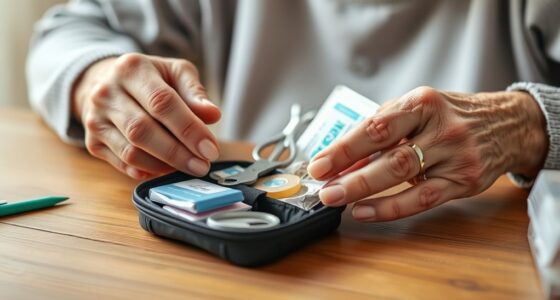
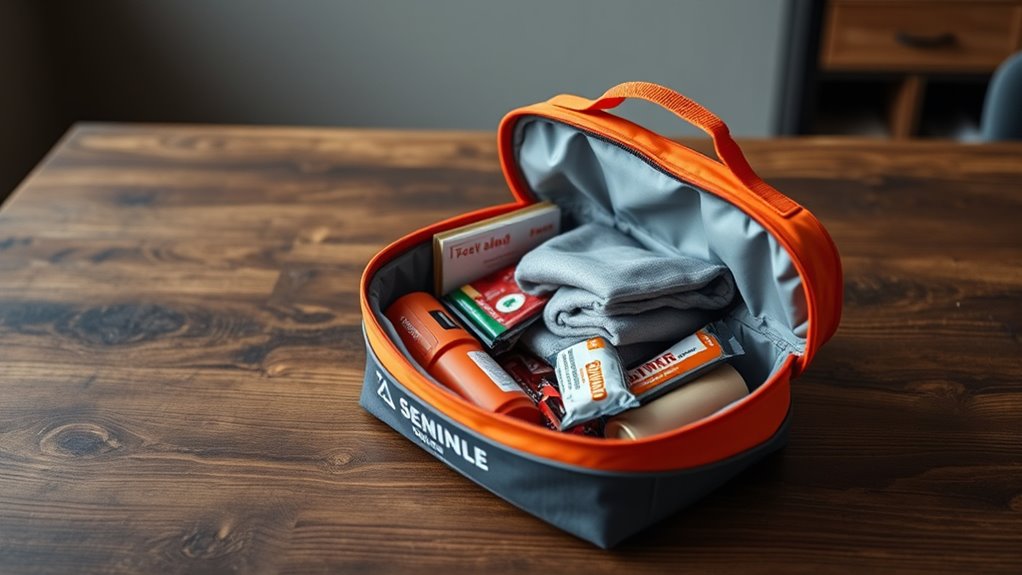
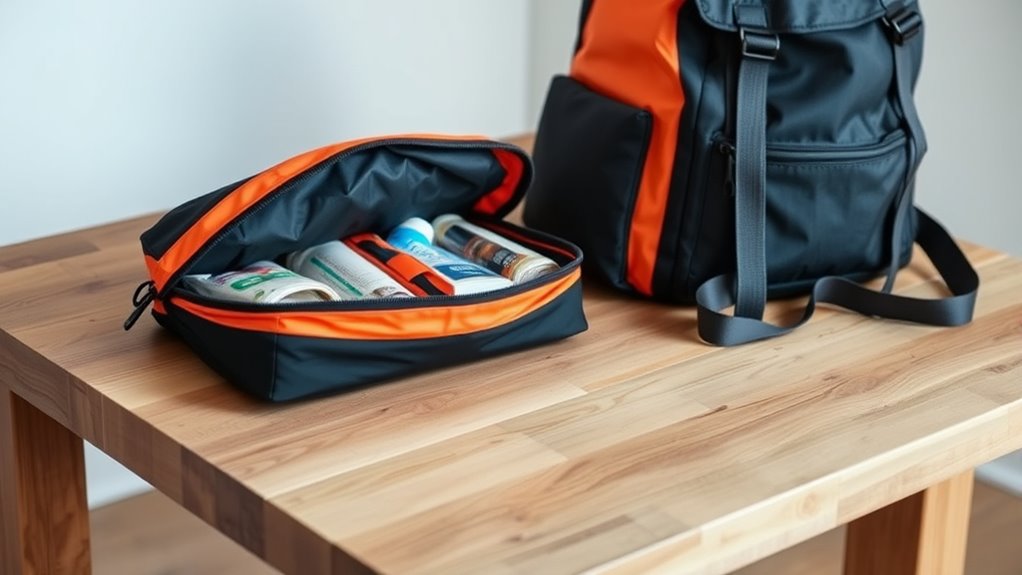
Creating a senior-ready kit means focusing on portability and simplicity. Opt for a sturdy backpack or a wheeled tote that’s comfortable to carry or roll. Fill it with essential supplies like bottled water—at least one gallon per person per day—and non-perishable, easy-to-prepare food. Consider including dietary-specific items, like soft snacks or special nutrition if needed, so you don’t have to strain to eat or swallow. Pack a basic first-aid kit with your medications, including any prescriptions, in clearly labeled bottles. It’s imperative to keep your medications in a dry, accessible place, and to carry extras if possible, in case you’re unable to get more supplies for a few days. Preparedness is a key aspect of emergency planning for seniors. Lighting is essential, so include a reliable flashlight with extra batteries, or even a hand-crank or solar-powered lantern. These options don’t rely on electricity and are easier to use. For communication, bring a fully charged cell phone with a portable charger or power bank. Consider adding a whistle to signal for help, or a small, battery-operated radio to stay informed about emergency updates. Personal comfort items, like a warm blanket or a change of clothes, can help you stay comfortable, especially if the weather turns cold or unpredictable.
Focus on portability and simplicity: use a sturdy, lightweight bag filled with water, easy-to-prepare food, and essential medications.
It’s also important to think about your specific needs. If you have mobility challenges, include a cane or walker, and pack extra supplies that make self-care easier. Keep a list of important contacts and medical information in your kit, so you can access it quickly if needed. Make sure your kit is easy to access and that you know exactly where it is. Regularly check and update your supplies, replacing expired medications, batteries, or perishable items. With a well-prepared, lightweight kit tailored for your needs, you’ll feel more confident and secure knowing you’re ready for anything that comes your way.
Frequently Asked Questions
How Often Should I Update My Emergency Kit?
You should review and update your emergency kit every six months. Check expiration dates on food, water, medications, and batteries, and replace anything that’s expired or damaged. Additionally, update your kit to reflect any changes in your needs, such as new medications or supplies. Regularly maintaining your kit guarantees you’re always prepared to handle emergencies promptly and effectively. Set reminders to make this routine part of your safety plan.
What Are the Best Portable Containers for My Kit?
The best portable containers for your kit are rugged, lightweight, and waterproof, like a military-grade duffel bag or an all-weather backpack. These containers are practically indestructible and can handle any adventure. Look for one with multiple compartments to organize essentials. A sturdy handle or shoulder straps makes carrying effortless. Invest in quality, and your kit will stay protected and accessible, no matter what disaster strikes.
How Do I Personalize My Kit for Specific Needs?
You personalize your kit by including specific items tailored to your needs, like medications, hearing aids, or mobility aids. Think about your daily routines and potential emergencies, then add supplies such as extra glasses, comfort items, or important documents. Keep a list of your personalized items inside the kit for easy updates. Regularly review and adjust your kit to guarantee it continues to meet your evolving needs.
Can This Kit Be Used for Pets?
Yes, you can adapt your kit for pets too. Add essentials like pet food, water, a leash, and any necessary medications. Include familiar items such as a favorite toy or blanket to comfort your pet. Make sure to pack extra supplies if you have multiple animals. Keep everything organized in a portable container so you can easily grab it during an emergency, ensuring your pet’s safety and comfort.
What Are Common Mistakes to Avoid When Preparing My Kit?
When preparing your kit, avoid forgetting essentials like medications, copies of important documents, and sufficient water. Don’t overlook labeling items clearly or overpacking, which makes it heavy and hard to carry. Remember to check expiration dates regularly and tailor supplies to your specific needs. Avoid assuming you won’t need certain items, and keep everything organized for quick access in emergencies. Regularly review and update your kit to stay prepared.
Conclusion
Now that you’ve assembled your 72-hour kit, you’re better prepared for any emergency that comes your way. Keep it handy, check it regularly, and stay ready—like a modern-day Boy Scout. Remember, even in a world of smartphones and smart homes, a well-packed kit can be your lifeline. So, don’t wait for a knight in shining armor—be your own hero. Stay safe, stay prepared, and face any storm with confidence.
NFL season / tailgating Picks
team gear
As an affiliate, we earn on qualifying purchases.