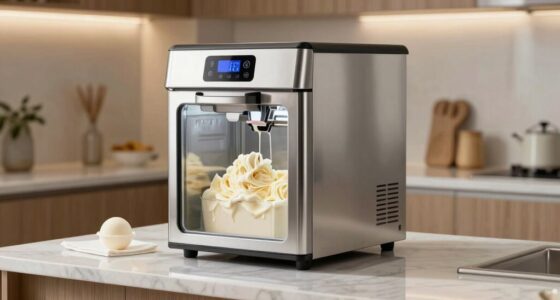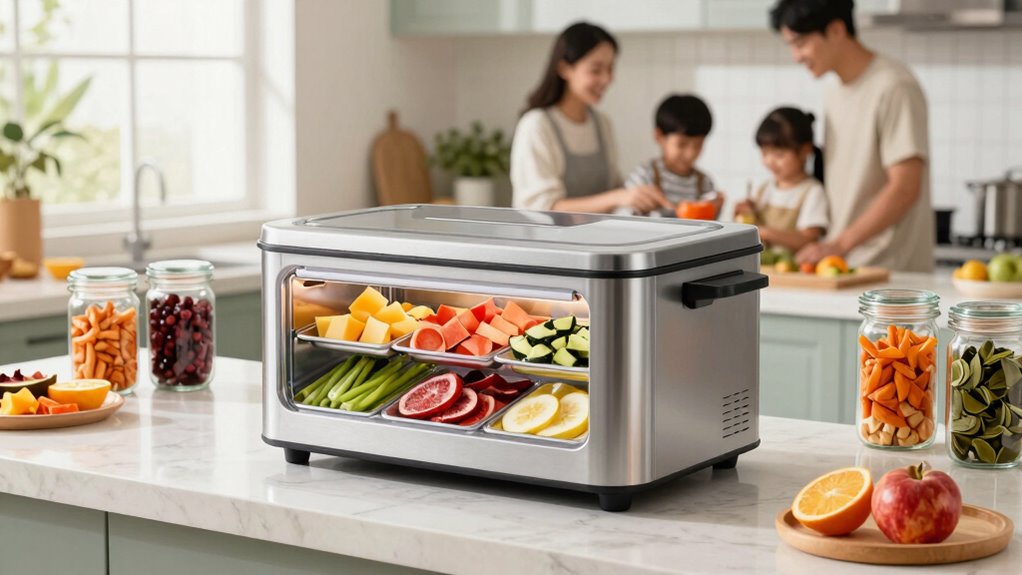

Freeze dryers transform how you store food long-term by locking in nutrients, flavor, and texture, while keeping foods lightweight and shelf-stable. They make it easy to preserve seasonal produce, leftovers, and bulk purchases without losing quality. You can stockpile nutritious foods that last years without refrigeration, reducing waste and reliance on processed options. Plus, freeze-dried foods are versatile and convenient for meals, snacks, and emergencies. Keep exploring to find out how this innovative process can change your food storage approach.
Key Takeaways
- Freeze dryers extend food shelf life while preserving nutrition, flavor, and texture, enabling long-term storage without refrigeration.
- They create lightweight, compact foods ideal for emergency stockpiling and easy transportation.
- Freeze drying helps families preserve seasonal produce and leftovers, reducing waste and out-of-season purchases.
- Long-term storage becomes safer and more organized with freeze-dried foods that resist spoilage.
- The versatility of freeze-dried foods supports diverse meal planning and quick access to nutritious ingredients.

Freeze dryers are revolutionizing the way families store food long-term by making preservation easier and more efficient. With a freeze dryer, you can extend the shelf life of your favorite foods without sacrificing their nutritional value. This technology preserves nutrients better than traditional methods like canning or dehydration, guaranteeing your family gets the vitamins and minerals they need even months or years down the line. When you freeze-dry food, you lock in flavor, texture, and nutritional content, making it a practical choice for those who want healthy, home-prepared meals ready at a moment’s notice.
Freeze drying extends food shelf life while preserving flavor, texture, and nutrition for healthy, long-term storage.
You’ll find that freeze drying enhances emergency preparedness considerably. Instead of relying on processed or pre-packaged foods, you can stockpile a variety of nutritious options that remain safe and wholesome for long periods. During emergencies, when fresh supplies may be scarce or unavailable, having a supply of freeze-dried foods can help you maintain a balanced diet. The lightweight, compact nature of freeze-dried foods makes storage and transportation easier, so you can quickly build up a reserve of essentials without taking up much space or adding extra weight. Additionally, proper storage conditions are less critical for freeze-dried foods, simplifying the preservation process.
Beyond just emergency prep, freeze dryers enable you to take control of your food choices. You can preserve seasonal fruits and vegetables at their peak ripeness, retaining their nutritional value and flavor for future use. This means you won’t have to buy expensive out-of-season produce, and you avoid waste by preserving excess harvests. Furthermore, freeze-dried foods are versatile—they can be rehydrated for meals or used as ingredients in cooking, snacks, or trail foods. This flexibility makes it easier for you to plan nutritious meals without relying heavily on store-bought convenience foods. Additionally, freeze drying can help reduce food waste by extending the usability of surplus harvests or leftovers, which is an important aspect of sustainable living.
In addition, freeze drying simplifies long-term storage. Unlike canned or jarred foods that require special conditions and risk spoilage, freeze-dried items stay stable without refrigeration. This makes it easier for you to organize your pantry and ensure your food supply remains safe and nutritious over time. Plus, since freeze-dried foods retain much of their original nutrition, you’re not just storing food but preserving health benefits, which is especially important if you’re concerned about providing wholesome meals for your family during extended periods. Preserving nutrients is a key advantage that sets freeze drying apart from traditional preservation techniques.
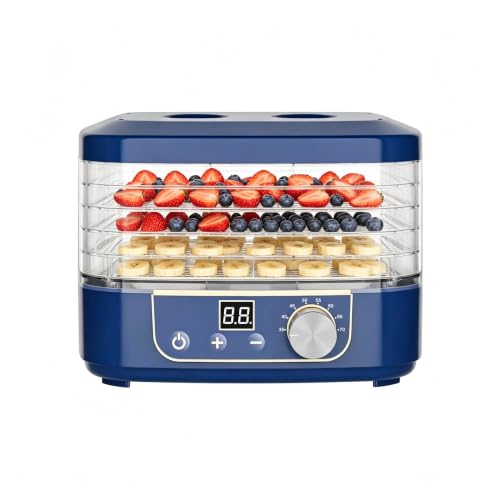
2026 NEW Freeze Dryer Machine for Home for Candy&Snacks,Freeze Dried Machine for Candy,with Adjustable Temperature&24H Timer,Food Dehydrator Machine for Candy,Mini Food Dryer (Blue,220V)
- Adjustable Temperature & Timer: Customizable drying settings with 24-hour timer
- Ideal for Candy & Snacks: Perfect for making freeze-dried treats at home
- Compact & Lightweight Design: Space-saving and easy to store on countertops
As an affiliate, we earn on qualifying purchases.
As an affiliate, we earn on qualifying purchases.
Frequently Asked Questions
How Do Freeze Dryers Differ From Traditional Dehydration Methods?
Freeze dryers differ from traditional dehydration methods by using low temperatures and vacuum pressure, which better preserve flavor and nutrient retention. Unlike traditional drying that relies on heat, freeze drying removes moisture through sublimation, maintaining the food’s original texture and taste. You’ll notice your preserved foods stay flavorful and nutritious longer, making freeze dryers ideal for long-term storage. They’re more efficient at retaining the quality of your food compared to conventional dehydration methods.
What Are the Initial Costs of Purchasing a Freeze Dryer?
The initial cost of purchasing a freeze dryer can seem high, but it’s a worthwhile investment considering long-term savings and food preservation quality. You might worry about cost comparison, but remember, this equipment reduces food waste and extends shelf life. Investment considerations include durability and efficiency, which help justify the upfront expense. While prices vary, expect to pay between $2,000 and $10,000, depending on size and features, making it a smart choice for long-term food storage.
How Long Does Food Typically Last After Freeze Drying?
After freeze drying, your preserved food typically lasts 25 to 30 years with proper storage, making it excellent for long-term food preservation. The shelf life depends on the packaging quality, storage conditions, and type of food. You’ll find that freeze-dried items retain most of their nutrients and flavor over decades, providing a reliable food source during emergencies or for bulk storage. Just keep everything in a cool, dark, dry place for best results.
Are Freeze-Dried Foods Suitable for All Dietary Needs?
You might think freeze-dried foods suit all dietary needs, but that’s not always the case. Ironically, while they preserve nutrition exceptionally well, allergen concerns can still arise if you’re sensitive to added ingredients or processing contaminants. Nutritional preservation is a plus, but always check labels carefully. Some dietary restrictions might require more tailored options, so it’s smart to verify whether freeze-dried foods align with your specific health needs.
What Maintenance Is Required for a Freeze Dryer?
You need to regularly maintain your freeze dryer by checking vacuum levels and ensuring there’s no loss of suction. Keep an eye on the vacuum pump’s oil, replacing it as recommended, and perform routine vacuum maintenance. Also, replace filters periodically to keep the system clean and functioning efficiently. Proper maintenance extends your freeze dryer’s lifespan, ensuring consistent, high-quality freeze-dried foods and preventing costly repairs down the line.
Conclusion
You never realize how much you rely on traditional food storage until you discover freeze dryers. Suddenly, those long-forgotten vacation leftovers or garden harvests become treasures you can keep for years. It’s almost like the universe conspired to bring this innovation into your life just when you needed it most. With a freeze dryer, you’re not just storing food—you’re creating a future filled with endless possibilities, all while enjoying the surprising convenience that seems almost too good to be true.