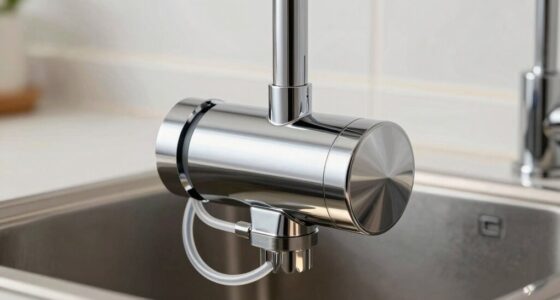
Smaller appliances often beat big ones on energy because they heat up quickly and target specific tasks, using less power in the process. They don’t run for long or maintain constant temperatures like larger appliances do, which saves energy. Features like automatic shut-off and efficient designs also boost their performance. If you keep exploring, you’ll discover more practical ways small appliances help save energy and money in your everyday routine.

Turn the school run and nap time into listening time
- Thousands of audiobooks, podcasts and originals
- Listen on your phone, tablet or Echo — also offline
- Cancel anytime
Key Takeaways
- Small appliances heat quickly and operate for short periods, consuming less energy overall.
- They often have higher energy ratings and built-in efficiency features like automatic shut-off.
- Targeted use reduces unnecessary energy consumption compared to larger, more energy-intensive appliances.
- Modern manufacturing emphasizes energy-efficient designs, making small appliances more cost-effective long-term.
- Proper usage and maintenance enhance small appliances’ efficiency, often surpassing larger devices in energy savings.
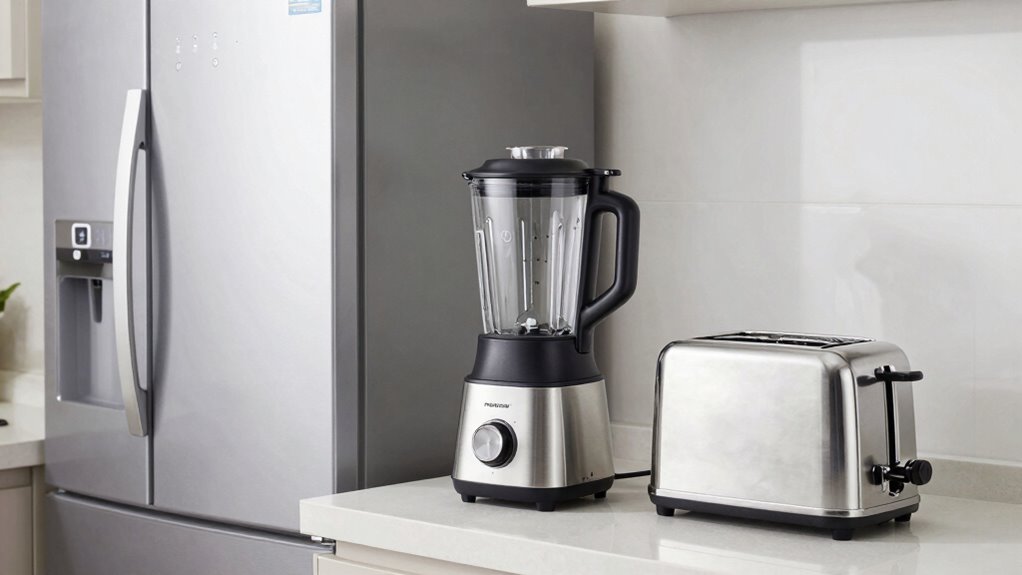
Small appliances are everyday essentials that can considerably impact your energy consumption. While it might seem intuitive that larger appliances, like refrigerators or washing machines, would use more energy, this isn’t always the case. In fact, smaller appliances, especially portable gadgets, often consume less power and can be more efficient when used correctly. Understanding this can help you make smarter choices and implement energy saving tips that truly make a difference.
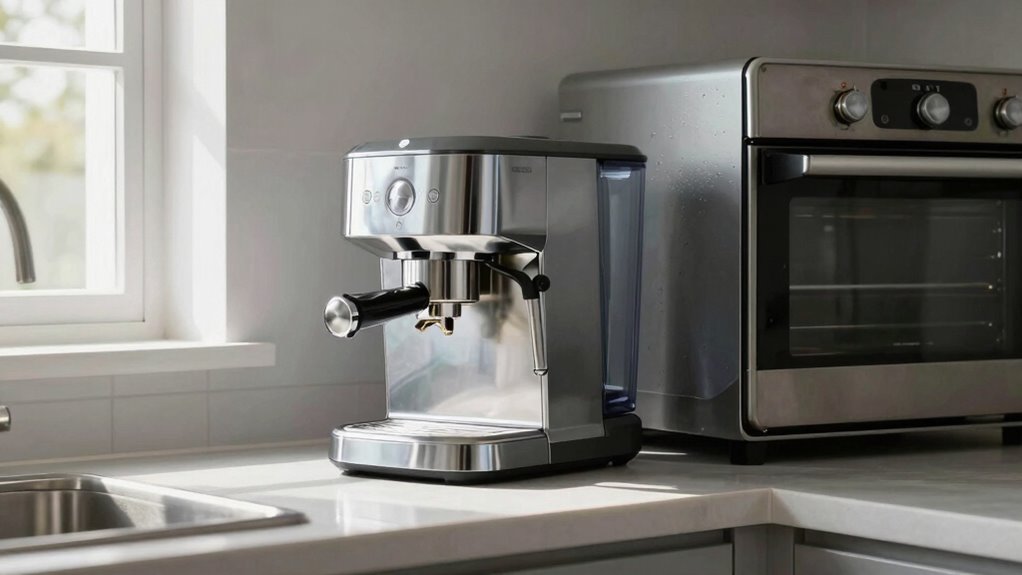
One reason smaller appliances sometimes outperform big ones on energy efficiency is their size and design. Portable gadgets, like electric kettles, toasters, or countertop blenders, are designed for quick, targeted tasks. They heat up faster and use less energy because they don’t need to operate for long periods or maintain constant temperatures. Big appliances, however, often have larger capacities and more complex systems that require continuous energy input, even when you’re only using them for a short time. For example, a full-sized oven consumes markedly more electricity than a small toaster oven, even if you’re just heating a snack. Additionally, energy ratings for small appliances tend to be higher because they are manufactured with efficiency in mind. Modern small appliances frequently incorporate energy-saving features, which further enhance their efficiency and help reduce energy waste.
Small appliances heat quickly and use less energy due to their compact design and targeted functions.
Another factor is that small appliances tend to have better energy ratings because they’re built with efficiency in mind. Many modern portable gadgets come equipped with energy-saving features, like automatic shut-off or variable power settings. Using these energy saving tips, such as unplugging devices when not in use or choosing models with energy-efficient labels, can drastically reduce your overall energy use. For instance, opting for a compact microwave instead of a large oven for reheating food can save you a substantial amount of energy over time. Properly maintaining these appliances, like cleaning filters or seals, can also improve their efficiency and extend their lifespan. Furthermore, modern manufacturing practices often emphasize energy efficiency, making small appliances even more cost-effective in the long run.
Additionally, small appliances are often used for short bursts, which means they don’t need to operate continuously. This not only conserves energy but also prolongs the appliance’s lifespan. In contrast, large appliances tend to run longer and more frequently, especially in households with high usage. By being mindful of how and when you use portable gadgets, you can minimize unnecessary energy consumption. Simple energy saving tips like scheduling laundry during off-peak hours or using a small fan instead of running an air conditioner can have a cumulative effect on your energy bill. Recognizing the efficiency benefits of small appliances can guide you toward more sustainable choices.
energy-efficient electric kettle
As an affiliate, we earn on qualifying purchases.
As an affiliate, we earn on qualifying purchases.
Frequently Asked Questions
How Do Small Appliances Impact Overall Household Energy Consumption?
Small appliances can considerably reduce your household energy consumption because they often feature higher energy efficiency and are more targeted in their use. Their portability allows you to use them only when needed, avoiding unnecessary energy drain. Plus, smaller appliances typically consume less power during operation, making them an eco-friendly and cost-effective choice. By choosing energy-efficient, portable devices, you can easily cut down on your overall energy use.
Are Smaller Appliances More Cost-Effective Long-Term Than Larger Ones?
Think of small appliances as your trusty sidekicks—more agile and energy-efficient. They often prove more cost-effective long-term because they deliver solid energy savings and are designed for specific tasks, reducing waste. With their higher appliance efficiency, you save money on energy bills over time. Plus, their compact size means less energy is wasted, making them a smart investment that pays off in both savings and peace of mind.
Can Small Appliances Replace Larger Appliances Entirely?
You can’t fully replace larger appliances with small ones because of their differing roles and energy efficiency. Small appliances excel in portability and energy-efficient tasks, but they lack the capacity and power of larger units. For everyday small tasks, they’re perfect, but for bigger jobs, larger appliances are necessary. Rely on small appliances for energy efficiency and convenience, while larger ones handle the heavy-duty needs.
Do Small Appliances Have a Shorter Lifespan Than Big Appliances?
Yes, small appliances often have a shorter lifespan than big appliances. Due to their appliance durability, they tend to wear out faster, leading to a higher replacement frequency. You might find yourself replacing small devices more often because they’re used intensively or less robustly built. However, their affordability and ease of replacement can make this shorter lifespan less inconvenient, especially when compared to larger, more durable appliances.
How Do Maintenance Needs Differ Between Small and Large Appliances?
Small appliances generally require less maintenance and have higher durability because they’re simpler in design and have fewer moving parts. You’ll find that maintenance frequency is lower, making them easier to keep in good shape. Big appliances, on the other hand, often need more regular upkeep due to their complexity and larger components. This difference impacts their overall longevity, with small appliances tending to last longer with less frequent maintenance.
Conclusion
So, next time you’re choosing between a small or big appliance, remember—size isn’t everything. Sometimes, the smaller device packs a bigger punch in saving energy than its larger counterpart. But here’s the twist: could that little gadget actually be your secret weapon in slashing energy bills? Stay curious, because the truth behind energy efficiency might just surprise you—and it’s closer than you think. Don’t underestimate the power of small.
Fall Picks
fall essentials
As an affiliate, we earn on qualifying purchases.