In home zones with poor insulation and unsealed gaps, heat escapes easily, making your appliances work harder to maintain a comfortable temperature. Open-plan layouts can cause warm air to circulate away from living spaces, increasing energy use. Drafty windows and doors allow cold air in, forcing your furnace to run longer. Properly sealing and insulating these zones helps contain heat, reducing energy bills. If you want to learn how to optimize your home’s zones, keep exploring these strategies.
Key Takeaways
- Open-plan zones can allow warm air to circulate away from living areas, increasing heating demands.
- Poorly insulated walls, ceilings, and windows lead to higher heat loss, forcing appliances to work harder.
- Unsealed gaps and cracks around doors and windows create drafts, cooling spaces and increasing appliance workload.
- Inadequate insulation in partitioned zones reduces heat retention, making heating systems operate longer.
- Improper window placement and low-quality glazing facilitate heat transfer, raising energy consumption of heating appliances.
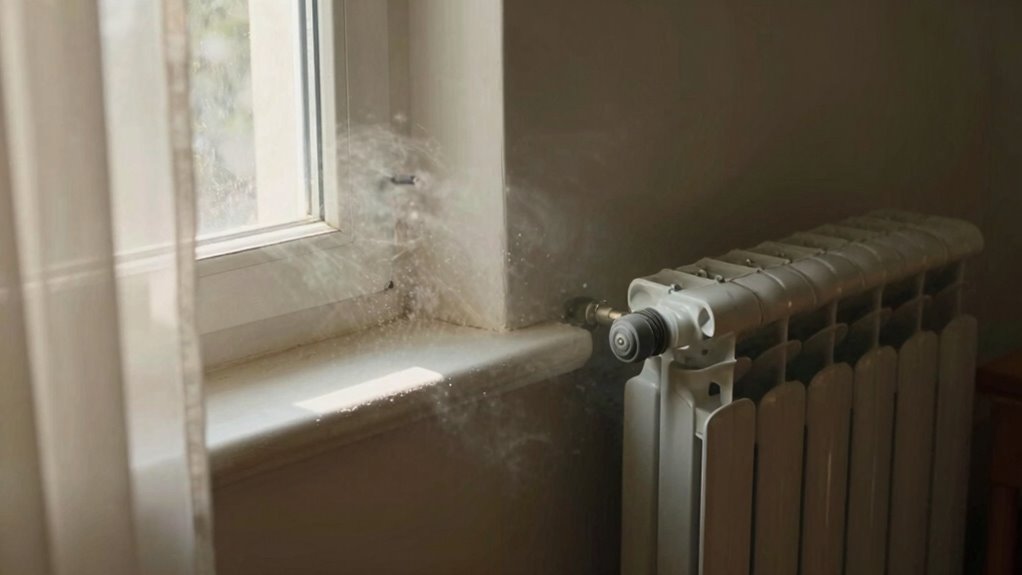
Have you ever wondered how the design of your home zone impacts heat loss? The way your space is structured can considerably influence how much heat escapes, affecting both your comfort and energy bills. When your home zone isn’t optimized, appliances like your furnace or heater need to work harder to maintain a cozy temperature, which leads to increased energy consumption. This is where insulation efficiency and airflow management come into play. Proper insulation helps trap heat within your space, reducing the demand on your heating system. Conversely, poor insulation allows warm air to seep out through walls, ceilings, or floors, forcing your appliances to run longer to compensate for the lost heat.
Airflow management is just as critical. If air moves freely through gaps, cracks, or poorly sealed vents, it creates drafts that cool down your home zone quickly. This constant influx of cold air makes your heating appliances work overtime, wasting energy and raising your utility costs. When airflow isn’t properly managed, even well-insulated areas suffer because cold drafts continuously challenge your home’s ability to stay warm. To improve this, you should focus on sealing gaps around windows, doors, and other openings, and consider using draft stoppers or weatherstripping. These small adjustments can make a noticeable difference in maintaining steady indoor temperatures.
The design of your home zone affects heat loss in more subtle ways, too. For example, open-plan layouts might seem spacious and stylish, but they can also create areas where warm air circulates away from the main living spaces, making it harder to retain heat efficiently. On the other hand, compartmentalized zones with proper insulation and sealed doors can help contain heat, allowing appliances to operate more efficiently. Additionally, the placement of windows and the quality of their insulation influence heat loss. Single-glazed windows are notorious for letting heat escape, so upgrading to double-glazed or triple-glazed options can greatly improve insulation efficiency. Understanding building envelope concepts can further help in designing a home that minimizes heat transfer. Properly addressing thermal barriers can substantially improve your home’s energy performance and comfort. Keeping in mind the importance of insulation standards can guide you in selecting the most effective insulation materials for your home. When these design elements are optimized, they work together to create a thermal barrier that keeps your home warmer for longer periods.
Ultimately, your goal should be to create a home zone that minimizes heat loss through effective insulation and airflow management. When these factors are optimized, your appliances don’t have to work as hard, and your energy bills go down. It’s about understanding how design choices—like sealing gaps, choosing better windows, and layering insulation—collectively contribute to a more energy-efficient home. By paying attention to these details, you’ll enjoy a warmer, more comfortable space while also saving money and reducing your environmental impact.
draft stopper for doors and windows
As an affiliate, we earn on qualifying purchases.
As an affiliate, we earn on qualifying purchases.
Frequently Asked Questions
Can Insulation Improvements Reduce Heat Loss in Home Zones?
Yes, insulation improvements can considerably reduce heat loss in your home zones. By addressing thermal bridging, you prevent heat from escaping through weak spots like studs or corners. Sealing air infiltration gaps also keeps warm air inside and cold air out. Together, these measures make your heating system work less, saving energy and increasing comfort. Proper insulation and sealing create a more efficient, cozy home environment.
How Does Outdoor Temperature Affect Appliance Efficiency?
When outdoor temps drop, your appliances work harder, battling thermal bridging and radiant heat loss. Cold air sneaks in through tiny gaps, forcing systems to overcompensate. It’s like trying to run a marathon in a snowstorm—your equipment strains more, losing efficiency. So, if you want appliances to perform smoothly, insulate better, seal gaps, and minimize radiant heat escape, especially during chilly days.
Are There Specific Appliances More Impacted by Heat Loss?
You’ll find that older appliances, especially heating and cooling units, are more impacted by heat loss, which increases their power consumption. Appliance aging reduces efficiency, making them work harder to maintain the same performance. As a result, you’ll see higher energy bills. Insulation and proper maintenance can help reduce this impact. Upgrading to newer, energy-efficient models can also lower power consumption and improve overall performance in areas prone to heat loss.
What Are Quick Fixes to Improve Energy Efficiency at Home?
Did you know that poorly insulated homes can waste up to 30% of their heating energy? To boost efficiency quickly, consider installing smart thermostats that adjust temperatures automatically, saving energy and money. Also, schedule an energy audit to identify leaks and problem areas. These small fixes can make a big difference, reducing your energy bills and keeping your home warmer with less effort.
How Often Should Insulation Be Checked or Replaced?
You should check your insulation at least every 5 to 10 years, especially if you notice an increase in your energy bills or drafts from air leaks. Over time, insulation’s lifespan can decrease due to settling or moisture, reducing its effectiveness. Regular inspections help identify if it needs replacing or additional sealing around air leaks. Maintaining proper insulation guarantees your home stays warm and energy-efficient, saving you money in the long run.
Conclusion
By understanding how heat loss in home zones makes your appliances work harder, you can take simple steps to improve insulation and reduce energy bills. You might think these upgrades are costly or complicated, but small improvements—like sealing drafts or adding insulation—can make a big difference. Don’t let heat loss drain your energy or money. Act now to create a warmer, more efficient home, and enjoy the savings and comfort that come with it.