
TL;DR

Turn the school run and nap time into listening time
- Thousands of audiobooks, podcasts and originals
- Listen on your phone, tablet or Echo — also offline
- Cancel anytime
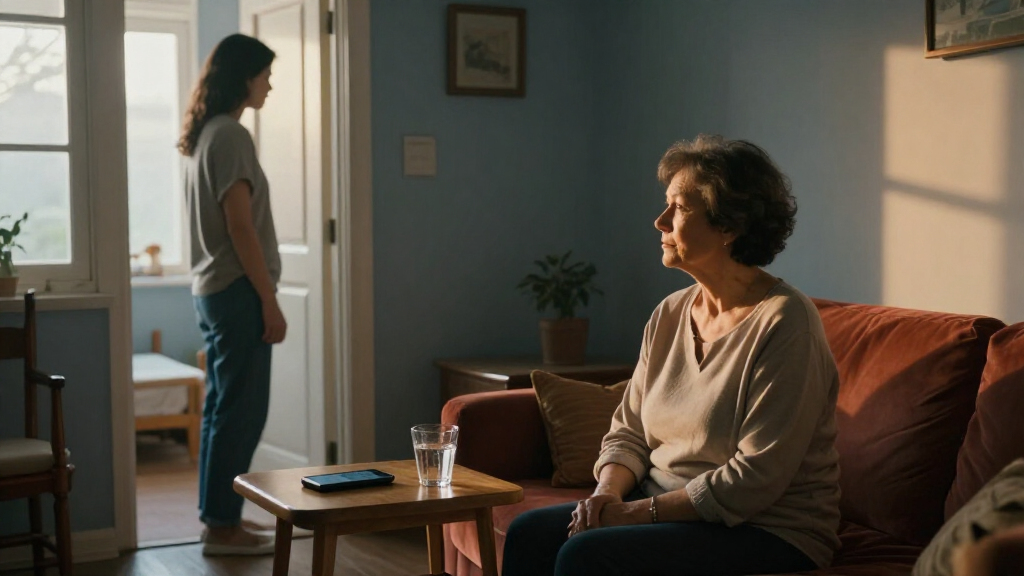
A MadeForMums feature examines adult child–parent estrangement, citing Stand Alone research that estimates about one in five UK families is affected. The report describes gradual reductions in contact and the distress that can accompany holidays and milestones, but the material does not establish that estrangement is increasing over time.
A MadeForMums report has highlighted adult child–parent estrangement, citing research by UK charity Stand Alone that suggests around one in five families is affected, or an estimated 12 million people. The report describes estrangement as often developing through a gradual loss of contact, while the figures provided do not show whether the trend is increasing over time.
The report says estrangement may begin with unanswered messages and missed calls before progressing to fewer invitations and little or no contact. Stand Alone calls one pattern “slow fade estrangement,” a gradual reduction in communication rather than a single, decisive break. Some parents, the feature says, discover they have been blocked or excluded from social media, leaving them without a view of their adult child’s life.
Research carried out with the University of Cambridge, as described by MadeForMums, found that emotional distress can peak around holidays, birthdays and other milestones. The feature also describes estrangement as a form of “ambiguous loss”: the relationship is absent or inaccessible, but the person is still alive and there may be no clear event or public recognition of the loss.
The article cautions against reducing estrangement to one disagreement. It lists possible sources of strain, including unsolicited advice, repeated criticism, ignored boundaries and posting personal information online without permission. Those patterns are presented as factors clinicians say can damage relationships, not as a diagnosis or a proven explanation for any particular family’s separation.
Why Family Distance Can Hurt
Estrangement can affect both sides of a family while leaving people with few accepted ways to describe or grieve the relationship. The report’s account of distress around holidays and milestones points to times when absence may become especially visible, including birthdays, weddings and family gatherings.
The issue also involves competing expectations about privacy, contact and family boundaries. A parent may see sharing milestones or offering advice as care; an adult child may experience the same actions as intrusive. The article does not suggest that every disagreement should end in separation, or that parents alone are responsible. It argues that listening, asking before advising, acknowledging hurt and respecting requests for space may help prevent resentment from building, though none guarantees reconciliation.
Products Worth Considering

Philips Hue Festavia 65-Foot Smart LED String Lights, 250 Color-Changing Mini LEDs

Bose Smart Soundbar 700 with Alexa, Black

Sonos Beam Ultra Dolby Atmos Soundbar, Black
As an affiliate, we earn on qualifying purchases.
From Quiet Distance to Public Debate
MadeForMums connects renewed public attention to January media coverage of a reported rift involving Brooklyn Beckham and his parents. The feature says the episode resonated with some readers because it seemed to echo private family experiences. It also reports that Brooklyn Beckham posted Instagram stories discussing anxiety, privacy and stepping back from his family, without detailing specific allegations in those posts.
The report quotes one statement attributed to Beckham: “For the first time in my life, since stepping away from my family, that anxiety has disappeared.” It also cites a Malwarebytes survey in which around 62% of Gen Z respondents reportedly said they felt anxiety about sensitive personal content being exposed too widely. The source material does not provide the survey’s sample size or methodology, so that figure should be read as a reported survey result, not a measure of all young people.
In some cases, the feature says, boundaries may be communicated formally. It refers to media reports that communication between the Beckhams was at one stage handled through lawyers and that a request was made not to reference Brooklyn publicly. These are presented as reported developments, not independently verified details in the supplied material.
““slow fade estrangement””
— Stand Alone, as quoted by MadeForMums
What the Available Figures Cannot Show
The supplied material does not establish that more adult children are becoming estranged. The estimate that around one in five families is affected and the figure of 12 million people describe reported reach; no earlier comparison, survey period or trend line is provided. The headline’s suggestion of an increase therefore cannot be confirmed from the cited information.
Details about the Stand Alone and University of Cambridge research—including study dates, methods and the definition of “affected”—are not included in the source material. The Malwarebytes survey’s methodology is also absent. The report offers personal accounts and examples of possible relationship strain, but it does not establish the prevalence of each cause or explain the circumstances behind individual families’ decisions. The supplied article excerpt also ends during its discussion of legal communication, so its full account of that issue is unavailable.
What Families and Readers Can Watch
The report does not announce a new study, policy or formal next step. Its immediate contribution is to draw attention to a subject often handled privately and to describe practical approaches suggested by Dr Kayleigh Sumner: listen without interrupting, ask before giving advice, apologise without immediate defensiveness and respect boundaries, even when they are difficult.
Readers looking for a clearer picture of whether estrangement is becoming more common would need comparable data collected across multiple years, with transparent definitions and methods. For now, the evidence in the report supports a discussion of the scale and emotional effects it cites, but not a firm conclusion about a rising trend.
Key Questions
Does the report prove that more adult children are cutting off their parents?
No. It cites an estimate of estrangement’s reach but provides no comparison over time to establish an increase.
How common does the report say family estrangement is?
MadeForMums cites Stand Alone research suggesting that around one in five families is affected, with an estimated 12 million people touched. The supplied material does not include the study methods or date.
What does “slow fade estrangement” mean?
It refers to a gradual reduction in contact, such as less frequent messages and invitations, rather than one sudden break.
What does the report say may contribute to family distance?
It lists possible strains such as unsolicited advice, repeated criticism, difficulty accepting boundaries and sharing personal information without consent. These are potential factors, not explanations for every estrangement.
Source: madeformums.com