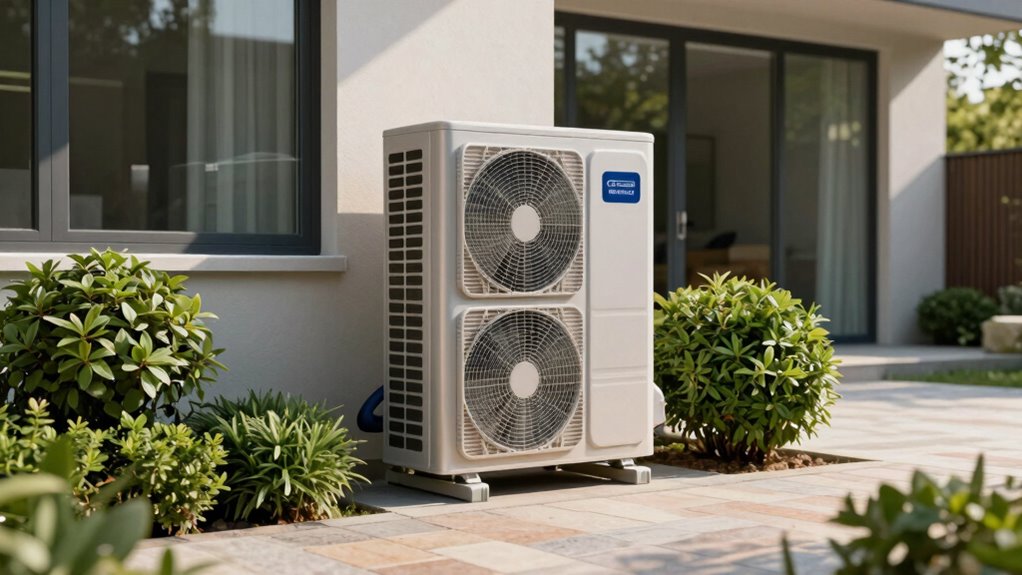

Heat pump appliances are everywhere because they offer a highly efficient way to heat and cool your home. They transfer heat from outside air to warm your space in winter and reverse for cooling in summer, saving you money on utility bills. Plus, they reduce energy consumption and lower your carbon footprint, making them an eco-friendly choice. Advances in technology are expanding their use in colder climates, proving they’re a smart, sustainable option you’ll want to explore further.
Prime for Young Adults — start your free trial
Fast free delivery, streaming and member deals for eligible 18–24 year olds.
As an affiliate, we earn on qualifying purchases.
Key Takeaways
- Heat pumps are highly energy-efficient, reducing utility bills and environmental impact compared to traditional systems.
- Advancements in technology enable effective operation even in colder climates, expanding their use globally.
- They provide versatile heating and cooling, making them suitable for diverse climate conditions and household needs.
- Ongoing research improves performance, affordability, and cold-weather functionality, increasing their popularity.
- Their eco-friendly and cost-saving benefits drive widespread adoption across residential and commercial sectors.
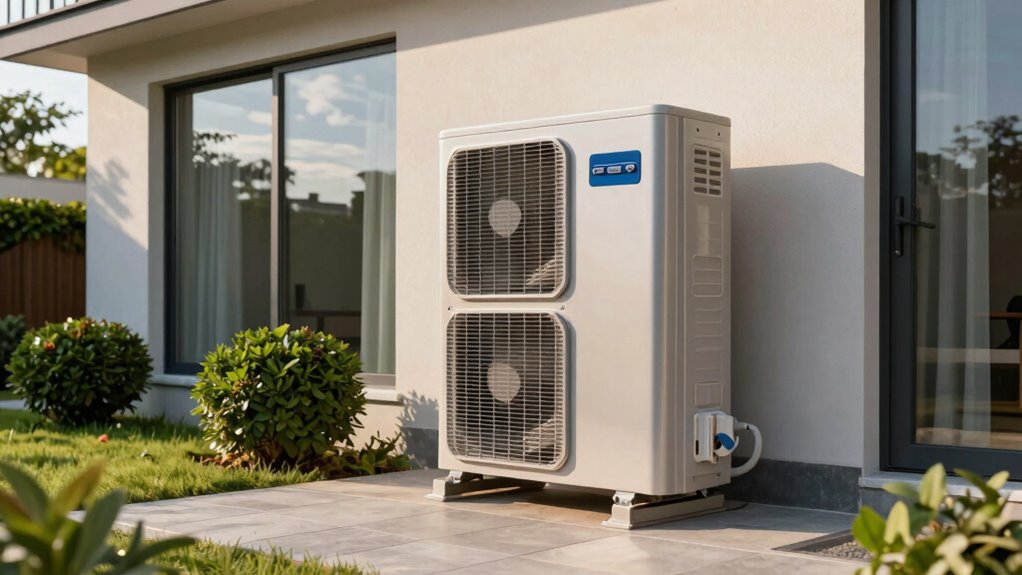
Heat pump appliances are becoming increasingly common, and for good reason. They offer a smart way to heat and cool your home more efficiently than traditional systems. When you choose a heat pump, you’re making a decision that benefits your wallet and the environment. These appliances are designed to maximize energy efficiency, which means they use less electricity to produce the same amount of heating or cooling as conventional units. This not only saves you money on utility bills but also reduces your overall energy consumption. Lower energy use translates into a smaller carbon footprint, making heat pumps an eco-friendly choice.
One of the key reasons heat pumps are gaining popularity is their ability to deliver high energy efficiency. Unlike traditional heating systems that generate heat by burning fuel or resistive heating elements, heat pumps transfer heat from one place to another. During winter, they extract heat from the outside air—even when it’s cold—and bring it inside to warm your home. In summer, they reverse the process to cool your indoor space. This method of moving heat rather than generating it from scratch makes them remarkably efficient. Because of this, many homeowners find that switching to a heat pump considerably cuts their energy bills. Plus, the technology is continually improving, making these appliances even more efficient and affordable over time. Additionally, advancements in heat pump technology are expanding their performance in colder climates, making them a viable option for more regions. As technology advances, these systems are becoming better suited to colder environments, broadening their appeal and usability. Furthermore, ongoing research and development are helping to address remaining challenges, such as performance in extreme cold, ensuring they remain a practical choice for diverse climates.
energy-efficient heat pump for home
As an affiliate, we earn on qualifying purchases.
As an affiliate, we earn on qualifying purchases.
Frequently Asked Questions
How Long Do Heat Pump Appliances Typically Last?
You can expect your heat pump appliances to last around 10 to 15 years with proper maintenance. Their longevity depends on factors like energy efficiency and how well you care for them. While installation costs might be higher initially, they often save you money over time through lower energy bills. Regular servicing and prompt repairs can extend their lifespan, ensuring you get the most out of your investment.
Are Heat Pumps Suitable for All Climate Zones?
You might think heat pumps are suited for every climate, but that’s not entirely true. In reality, their climate adaptability varies greatly; some models excel in moderate zones, while extreme cold regions challenge regional efficiency. If you live in a harsh winter or blazing summer, you’ll need a specialized heat pump designed for your climate. Otherwise, you risk reduced performance, higher energy bills, and less comfort. So, consider your local weather before choosing one.
What Maintenance Do Heat Pumps Require?
You need to regularly check your heat pump’s filters and remove any airflow obstructions to keep it running efficiently. Schedule annual professional maintenance to inspect refrigerant levels and recharge if needed, which helps prevent issues and improves performance. Keep an eye out for strange noises or reduced airflow, as these can indicate problems. Proper maintenance guarantees your heat pump stays reliable and energy-efficient all year round.
Are Heat Pumps Cost-Effective in the Long Run?
Yes, heat pumps are cost-effective in the long run. You’ll benefit from significant energy savings because they use less electricity than traditional heating and cooling systems. Although installation costs can be higher upfront, these investments pay off over time through lower utility bills. Plus, many regions offer incentives, making heat pumps an economical choice. Overall, their efficiency and savings make them a smart, long-term investment for your home.
Do Heat Pumps Work During Extremely Cold Weather?
Yes, heat pumps can work during extremely cold weather, but their efficiency may diminish. Modern models use advanced refrigerant efficiency to maintain warmth, though you might face installation challenges in very cold climates. It’s essential to choose a heat pump designed for low temperatures and have a professional install it properly. While they can keep your home warm, understanding these factors helps guarantee reliable performance in harsh weather.
Conclusion
Imagine your home as a cozy garden, and a heat pump as a skilled gardener tirelessly working behind the scenes. Just like the gardener keeps everything thriving year-round, heat pumps efficiently keep your home comfortable, no matter the season. With their rising popularity—over 50% of new systems installed last year—you’re choosing a reliable, eco-friendly solution that’s reshaping how we think about heating and cooling. Embracing a heat pump is like planting a smart, sustainable seed for your home’s future.
NFL season / tailgating Picks
team gear
As an affiliate, we earn on qualifying purchases.