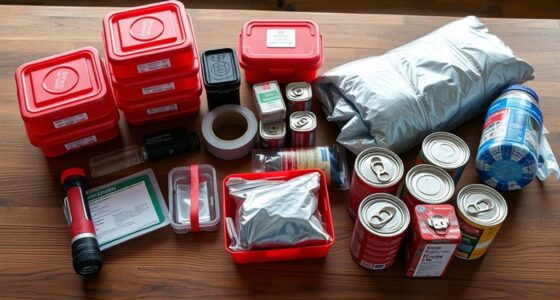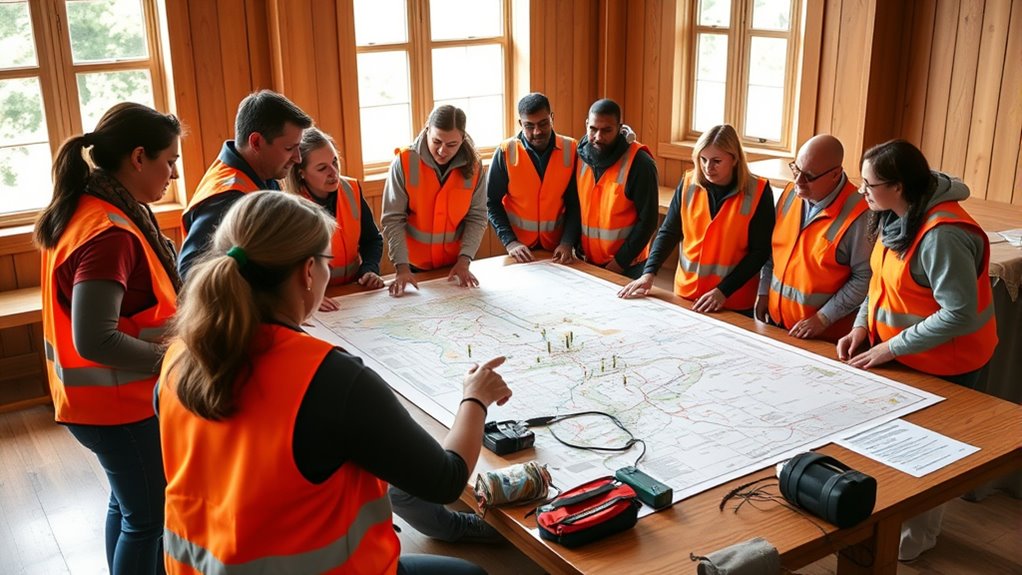

Building a support network for emergencies involves connecting with local organizations, neighbors, and family members ahead of time. Establish clear communication plans using multiple channels like phone, text, or social media, and keep contact information updated. Get involved in your community by attending events and forming relationships that foster trust. A strong network provides quick access to resources and support when emergencies strike. Keep exploring to discover more ways to strengthen your preparedness and resilience.
Key Takeaways
- Identify and connect with local organizations, neighbors, and community groups before emergencies occur.
- Establish clear communication channels and share emergency contact information with your support network.
- Attend community events and meetings to build trust and familiarity with neighbors and local resources.
- Regularly review and update your emergency plans and contact lists to ensure accuracy and effectiveness.
- Cultivate strong relationships within your community to foster cooperation and reliable support during crises.
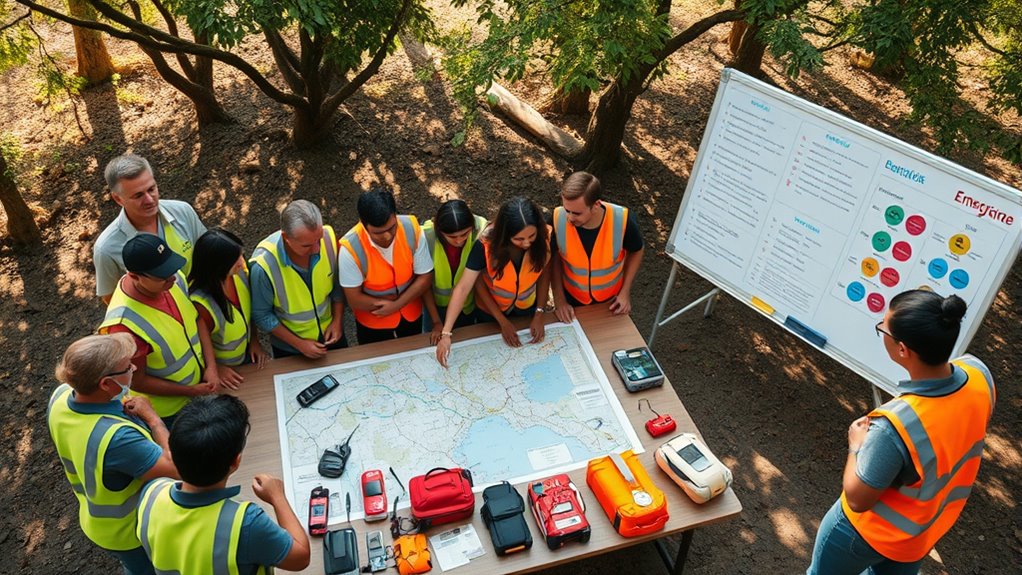
When emergencies strike, having a reliable support network can make all the difference. You need to know who to turn to and how to reach them quickly. Building this network starts with understanding your community resources. These include local organizations, emergency services, neighbors, and family members who can lend a hand when disaster hits. Knowing what resources are available nearby helps you act swiftly and confidently. For instance, familiarizing yourself with local shelters, medical facilities, and community centers ensures you’re not searching blindly in a crisis. Reach out to these organizations beforehand, ask about their services, and find out how they communicate with residents during emergencies. This proactive approach means you won’t be caught off guard when it matters most. Developing a creative practice for emergency planning can also help you think outside the box and prepare more effectively.
Equally important is establishing clear communication plans with your support network. You should know how to contact each person or organization involved and have alternative methods in case your primary mode of communication fails. Create a list of emergency contacts, including family, friends, neighbors, and community resources. Share this list with everyone involved so that, in a crisis, everyone knows their role and how to reach each other. Your communication plan might include multiple channels such as phone calls, text messages, emails, or social media, depending on what’s most reliable in your area. Make sure everyone understands the plan and practices it regularly. This way, if an emergency disrupts normal communication, you won’t waste precious time trying to figure out how to get in touch or where to meet.
Building a strong support network also means fostering relationships within your community. Attend local meetings, join neighborhood groups, or participate in community events. When you know your neighbors and they know you, it becomes easier to coordinate and support each other during emergencies. Establishing trust and familiarity ensures that help can flow seamlessly when needed. Don’t wait until disaster strikes to start these relationships; the more connected you are beforehand, the more resilient your support network will be.
Finally, keep your emergency plans and contact information up to date. Review and practice your communication plan periodically, especially after changes in your household or community resources. Staying prepared and connected means you’re less likely to feel overwhelmed when disaster strikes. By understanding your community resources and having a well-thought-out communication plan, you set yourself up for a quicker, more effective response. Remember, a strong support network isn’t built overnight, but with deliberate effort, it becomes your greatest asset in times of crisis.
Frequently Asked Questions
How Often Should I Update My Emergency Support Network Contacts?
You should update your emergency support network contacts at least once a year to guarantee contact frequency remains reliable. Consider setting a regular update schedule, such as every six months, especially if your contacts’ information or circumstances change frequently. This way, you stay prepared, and your support network stays current, making it easier to reach out quickly during an emergency. Regular updates help maintain effective communication when it matters most.
What Types of Emergencies Should I Prepare My Support Network For?
You should prepare your support network for a variety of emergencies, including natural disasters, medical crises, and power outages. Make certain they know how to access your emergency kit and follow your communication plan. Discuss specific roles and backup plans so everyone stays informed and safe. Regularly review and update these plans, especially after significant events or changes in your circumstances, to keep everyone prepared and confident in their roles.
How Can I Ensure My Support Network Remains Reliable Over Time?
Picture a sturdy bridge made of trust and open communication. To keep it reliable, actively build trust by staying honest and consistent, and practice clear communication strategies that encourage feedback. Regularly check in with your support network, show appreciation, and resolve conflicts quickly. These efforts strengthen bonds over time, ensuring your support system remains strong and dependable when emergencies strike, like a bridge that withstands storms.
What Privacy Considerations Are Involved in Sharing My Emergency Contacts?
You should be cautious about privacy concerns when sharing your emergency contacts, ensuring they’re only accessible to trusted individuals. Use secure methods like encrypted apps or password-protected files to protect their data security. Always get consent before sharing their information, and regularly review who has access. By taking these steps, you safeguard your contacts’ privacy and reduce risks of misuse or data breaches.
How Do I Coordinate With My Support Network During a Crisis?
During a crisis, you should establish clear communication protocols with your support network, ensuring everyone knows how and when to contact each other. Remarkably, studies show that coordinated efforts can reduce emergency response time by 30%. You can facilitate emotional support by designating a point person to stay calm and relay updates. Keep your contacts informed, stay connected, and prioritize empathy to navigate the situation effectively.
Conclusion
Building a support network for emergencies is like planting a sturdy tree—you’ll need strong roots, reliable branches, and leaves that provide shelter when storms come. When you nurture these connections, they become your safety net, catching you before you fall. Remember, you’re not alone in life’s storms; a well-built support network is your lighthouse, guiding you safely through the darkest nights. Keep cultivating those relationships, and you’ll weather any storm that comes your way.