
When choosing energy-efficient windows, focus on selecting those with low U-factors and Solar Heat Gain Coefficients that match your climate. Opt for double or triple-pane glass with low-E coatings and gas fills like argon for better insulation. Consider frame materials like vinyl, fiberglass, or composite for durability and insulation. Proper installation is key to maximizing savings and comfort. Keep exploring to discover how to pick the best options for your home’s needs and climate.
Key Takeaways
- Assess climate and select windows with appropriate U-factor and SHGC ratings for optimal energy savings.
- Choose high-performance glass options like low-E coatings and gas fills to improve insulation.
- Opt for frame materials such as vinyl, fiberglass, or composite for better insulation and durability.
- Ensure professional installation to prevent air leaks and maximize energy efficiency.
- Consider window features that balance insulation, sunlight control, and comfort for long-term savings.

Are you looking to reduce your energy bills and improve your home’s comfort? Upgrading to energy-efficient windows is one of the most effective ways to do that. The right window installation can make a noticeable difference in how well your home retains heat during winter and stays cooler in the summer. When you choose energy-efficient windows, you’re investing in features that help reduce your reliance on your heating and cooling systems, leading to significant energy savings over time. These windows are designed with advanced glass and framing materials that minimize heat transfer, ensuring your home maintains a consistent temperature without overworking your HVAC system.
When selecting windows, pay attention to their U-factor and Solar Heat Gain Coefficient (SHGC). The U-factor measures how well the window insulates; the lower the number, the better it prevents heat from escaping. The SHGC indicates how much solar radiation the window allows inside; a lower SHGC means less heat enters your home from the sun, which is especially important in hot climates. Choosing windows with essential ratings for your environment maximizes your energy savings and boosts your home’s comfort.
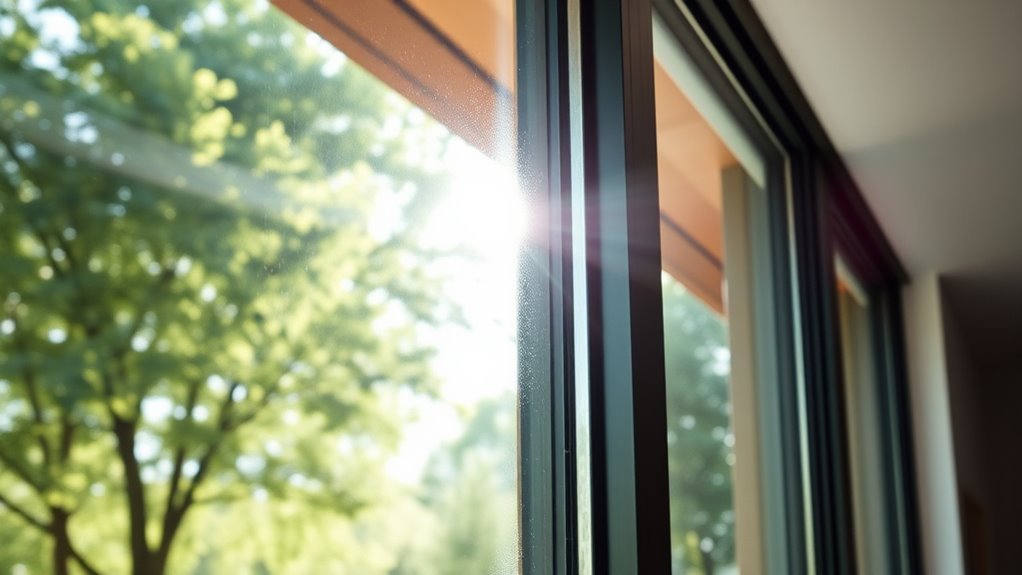
Another fundamental aspect of energy-efficient windows is the type of glass used. Double or triple-pane windows with low-emissivity (low-E) coatings provide added insulation. These coatings reflect infrared heat while letting visible light pass through, helping your home stay warmer in winter and cooler in summer. Additionally, argon or krypton gas fills between panes to further insulate, reducing heat transfer and enhancing overall efficiency. When you opt for high-quality glass and gas fills during your window installation, you’re ensuring you get the maximum benefit in terms of energy savings.
Frame materials also play an important role in the performance of your windows. Vinyl, fiberglass, and composite frames tend to offer excellent insulation properties, while wood frames provide natural insulation but may require more maintenance. Aluminum frames are less insulating but can be enhanced with thermal breaks. When choosing your windows, consider these materials based on your climate and maintenance preferences to get the most out of your investment.
Finally, professional window installation is key. Properly installed windows prevent air leaks and ensure that all seals are tight. Even the most advanced window features won’t deliver essential energy savings if they aren’t installed correctly. Hiring experienced installers guarantees that your new windows will perform as intended, helping you enjoy lower energy bills, improved comfort, and a more environmentally friendly home. By carefully selecting and properly installing energy-efficient windows, you set your home up for long-term savings and enhanced comfort year-round.
Frequently Asked Questions
How Long Do Energy-Efficient Windows Typically Last?
Energy-efficient windows typically last about 15 to 20 years, depending on their window durability and maintenance. You can expect a good quality window to serve you well within this replacement lifespan, but factors like weather exposure and proper upkeep influence longevity. To maximize their lifespan, clean the frames regularly and check seals for damage. Proper installation and routine maintenance help guarantee your windows stay energy-efficient for as long as possible.
Are There Specific Brands Known for Quality Energy-Efficient Windows?
You’ll find that brands like Andersen, Pella, and Marvin are known for quality energy-efficient windows. Their strong brand reputation stems from reliable performance and innovative material options like vinyl, wood, and fiberglass, which help maximize energy savings. When selecting a brand, consider their durability, warranty, and customer reviews to guarantee you get windows that last and keep your home comfortable year-round.
What Is the Average Cost Difference Compared to Standard Windows?
If you’re considering energy-efficient windows, you’ll find that the cost comparison to standard windows involves a modest premium, often around 10-25%. Their price range generally starts higher but offers long-term savings through reduced energy bills. While you might pay a bit more upfront, the investment pays off over time with improved comfort and lower utility costs, making these windows a smart choice for your home.
Can Energy-Efficient Windows Be Installed in Existing Structures Easily?
Yes, you can install energy-efficient windows in existing structures, but you’ll want to contemplate installation challenges and compatibility considerations. You might face some difficulties with fitting new windows into older frames or dealing with structural adjustments. Hiring experienced professionals can help ensure smooth installation, minimize disruptions, and address any compatibility issues effectively. Proper preparation and expert help make upgrading to energy-efficient windows straightforward and worthwhile.
Do Energy-Efficient Windows Require Special Maintenance or Cleaning?
No, energy-efficient windows don’t need special maintenance or cleaning. You can keep them in top shape with regular window cleaning, using gentle cleaners and soft cloths to avoid scratches. Follow maintenance tips like checking for seal damage and ensuring proper insulation around the frame. This helps maintain their efficiency and clarity, making your windows last longer. Routine care keeps them functioning well without requiring any complicated or special upkeep.
Conclusion
Choosing energy-efficient windows is like planting seeds for a greener future—you’ll enjoy a cozy home while reducing your carbon footprint. These windows act as your home’s loyal guardians, keeping warmth in and cold out, saving you money and energy. By making this simple switch, you’re not just upgrading your house; you’re opening a window to a more sustainable world. Embrace the change and watch your home flourish like a vibrant, sunlit garden.