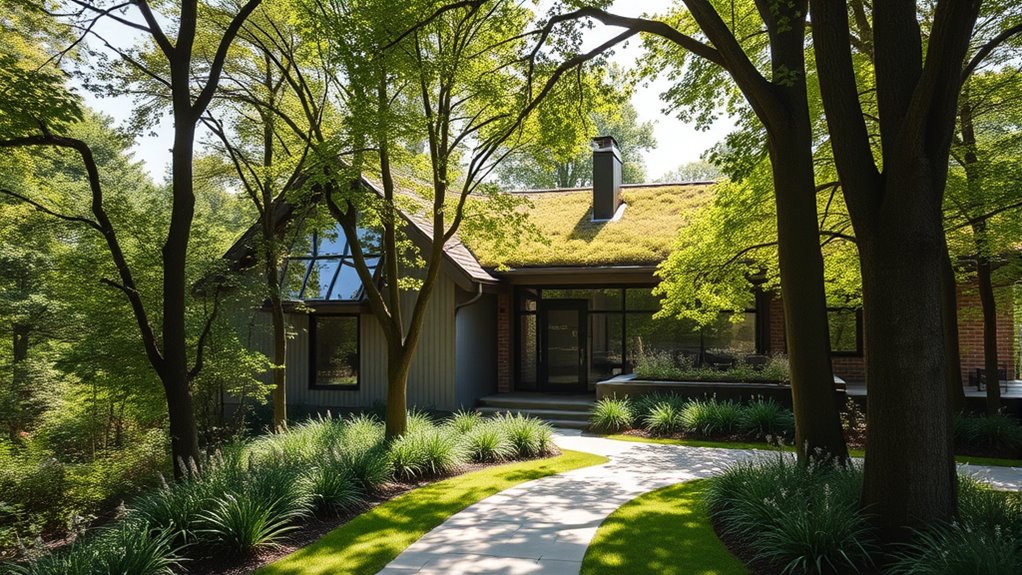

To design homes with passive heating and cooling, focus on optimizing solar orientation by positioning living spaces southward in the northern hemisphere and using windows to let in sunlight during winter. Incorporate thermal mass materials like concrete or stone to absorb heat during the day and release it at night. Shade appropriately in summer with overhangs or trees. These strategies work together to create an energy-efficient home—continue exploring to learn how to make this seamless.
Get ready for Prime Big Deal Days — try Prime free
Exclusive member deals on October 6–7, plus fast free delivery. Cancel anytime.
As an affiliate, we earn on qualifying purchases.
Key Takeaways
- Orient homes to south (in the northern hemisphere) to maximize winter sun exposure and natural warmth.
- Incorporate shading devices like overhangs or trees to prevent summer overheating.
- Use thermal mass materials such as concrete or brick to absorb and slowly release heat, stabilizing indoor temperatures.
- Position windows to optimize sunlight entry onto thermal mass surfaces, enhancing passive heating.
- Select sustainable materials and strategic home placement to reduce energy costs and lower environmental impact.
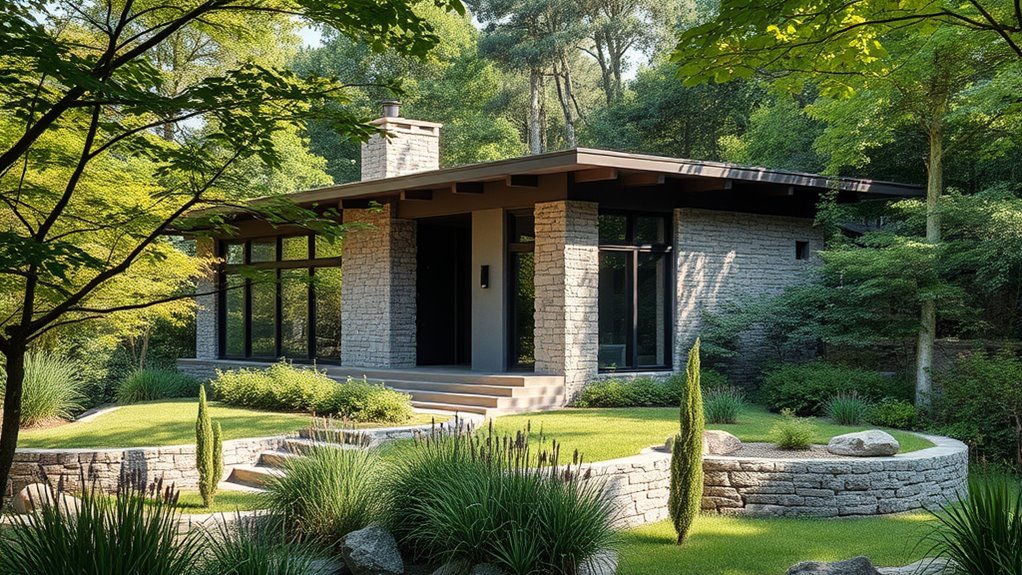
Designing homes with passive heating and cooling techniques can substantially reduce energy costs and improve comfort year-round. One of the most effective strategies is optimizing solar orientation. When you position your home to maximize exposure to the sun during winter months, you can harness natural warmth, reducing reliance on artificial heating. Typically, this means aligning living spaces to face south (in the northern hemisphere), allowing sunlight to penetrate windows and warm interior spaces naturally. During summer, shading devices like overhangs or deciduous trees can block excessive heat, keeping your home cooler without mechanical intervention. Proper solar orientation ensures your home benefits from the sun’s energy efficiently, balancing warmth in winter and shade in summer.
Optimize your home’s solar orientation to naturally balance warmth in winter and shade in summer.
Another vital element is incorporating thermal mass into your design. Thermal mass refers to materials that absorb, store, and slowly release heat, helping to stabilize indoor temperatures. Think of materials like concrete, brick, or stone. During the day, these materials absorb heat from sunlight or warm indoor air, preventing temperatures from rising too quickly. At night, they release stored heat, maintaining a comfortable indoor climate without extra energy input. When you include thermal mass in your walls, floors, or ceilings, you create a natural thermal buffer that reduces temperature swings and minimizes the need for active heating and cooling systems. To maximize this effect, position thermal mass where it can receive direct sunlight through windows or be exposed to indoor air currents, ensuring it warms up effectively during the day and releases heat when needed.
Combining solar orientation with thermal mass creates a synergy that enhances your home’s passive climate control. Properly oriented windows allow sunlight to hit thermal mass surfaces, increasing their heat absorption capacity. This setup ensures that during the day, your home gains warmth naturally, and at night, the stored heat is gradually released, maintaining a stable indoor environment. Avoiding overly large windows or poorly placed openings can prevent excessive heat loss or gain, optimizing the benefits of both techniques.
Ultimately, designing with these principles requires thoughtful planning. By carefully considering your home’s position relative to the sun and choosing appropriate materials, you can create a living space that feels naturally comfortable throughout the year. Not only will you cut down on energy bills, but you’ll also reduce your carbon footprint, making your home more sustainable. When you prioritize solar orientation and thermal mass, passive heating and cooling become powerful tools in creating an efficient, comfortable, and environmentally friendly home.
thermal mass materials for passive heating
As an affiliate, we earn on qualifying purchases.
As an affiliate, we earn on qualifying purchases.
Frequently Asked Questions
How Much Does Passive Heating and Cooling Add to Overall Construction Costs?
Passive heating and cooling typically add around 5-15% to your overall construction costs, depending on your design choices and climate. While there’s a slight increase in initial costs, it can notably lower your energy bills long-term. You should consider the cost impact within your budget considerations, as investing a bit more upfront can lead to substantial savings and increased comfort throughout the year.
Can Existing Homes Be Retrofitted for Passive Heating and Cooling?
Yes, you can retrofit your existing home for passive heating and cooling. However, you’ll face retrofitting challenges like insulation upgrades and window replacements. To make it cost-effective, focus on solutions like sealing leaks, adding shading devices, and improving ventilation. These updates can markedly reduce energy use, increase comfort, and often pay for themselves over time, making passive strategies a practical option for your home upgrade.
What Are Common Pitfalls in Passive Home Design?
You should watch out for design flaws like poor orientation and inadequate insulation, which can undermine your passive heating and cooling efforts. These mistakes lead to inefficient temperature regulation and higher energy costs. Avoid overlooking natural airflow, shading, and thermal mass, as they’re vital for success. Make certain your design is well-balanced, with proper insulation and strategic window placement, to maximize passive comfort and minimize reliance on active systems.
How Do Climate Variations Influence Passive Heating and Cooling Strategies?
Think of your home as a chameleon, adapting to its surroundings. Climate variations shape your passive heating and cooling strategies, requiring climate adaptability and regional design considerations. In colder areas, you might trap heat like a cozy blanket, while in hot regions, shade and ventilation become your shields. By understanding local climate patterns, you guarantee your home stays comfortable year-round, seamlessly blending with nature’s rhythm.
Are There Specific Materials Best Suited for Passive Temperature Regulation?
You should choose materials with high thermal mass, like concrete or brick, to absorb and release heat effectively. Insulation materials such as foam or mineral wool help maintain consistent indoor temperatures by reducing heat transfer. Combining these materials allows you to optimize passive temperature regulation, ensuring your home stays warm in winter and cool in summer without relying heavily on mechanical systems. Proper selection enhances comfort and energy efficiency year-round.
Conclusion
By applying passive heating and cooling strategies, you can create a more comfortable and energy-efficient home. For instance, imagine designing a house with large south-facing windows and shaded outdoor spaces—you could reduce your reliance on artificial heating and cooling, saving money and energy. Embracing these techniques not only benefits your wallet but also helps protect the environment. Start incorporating passive design principles today, and enjoy a sustainable, cozy home all year round.
Fall Picks
fall essentials
As an affiliate, we earn on qualifying purchases.