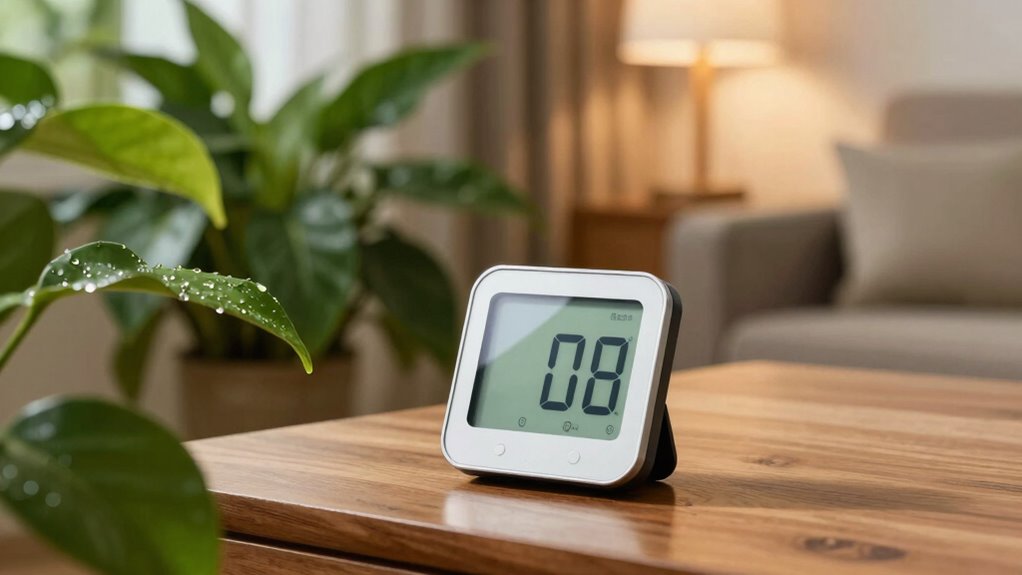
To protect both your health and your home, keep indoor humidity between 30% and 50%. Staying within this range prevents mold growth, reduces allergies, and stops structural damage like wood rot and paint peeling. Too humid or too dry air can cause discomfort, respiratory issues, and damage your belongings. Using a hygrometer helps you monitor levels and make adjustments easily. Continue exploring to discover how to maintain perfect humidity year-round and avoid costly problems.

Turn the school run and nap time into listening time
- Thousands of audiobooks, podcasts and originals
- Listen on your phone, tablet or Echo — also offline
- Cancel anytime
Key Takeaways
- Maintain indoor humidity between 30% and 50% to optimize health and prevent structural damage.
- Humidity above 60% promotes mold growth and damage to home materials; below 30% causes discomfort and material cracking.
- Use hygrometers to monitor indoor humidity levels accurately and make necessary adjustments.
- Seasonal changes, heating, and weather fluctuations require humidity regulation to avoid moisture-related issues.
- Proper humidity control reduces health risks, enhances comfort, and prolongs the lifespan of home structures and belongings.
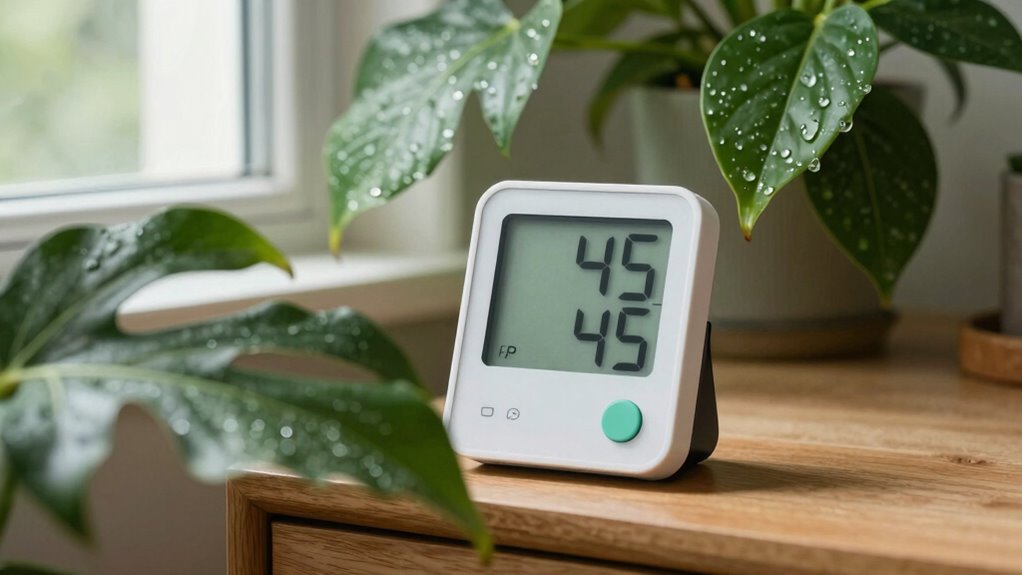
Maintaining the right humidity levels is essential for safeguarding both your health and your home. When humidity is too high or too low, it can lead to various problems, including discomfort, allergies, and damage to your property. Finding the ideal humidity range helps you avoid these issues and creates a healthier living environment. Generally, keeping indoor humidity between 30% and 50% strikes the right balance. Staying within this range minimizes humidity effects that can compromise your well-being and your home’s integrity.
Maintaining 30% to 50% humidity protects your health and home from moisture-related issues.
High humidity levels, especially above 60%, promote excess moisture in the air, which can lead to mold growth. Mold prevention becomes more challenging when humidity spikes, as mold thrives in damp environments. Mold spores can cause respiratory issues, allergic reactions, and other health problems, making it vital to control indoor moisture. By maintaining proper humidity, you reduce the risk of mold development, protecting your lungs and overall health. Additionally, high humidity can damage your home’s structure, encouraging wood rot, peeling paint, and compromised insulation. These damages can be costly and difficult to repair, so controlling humidity is a proactive step in preserving your property.
On the other hand, if your home’s humidity drops too low—below 30%—it can cause dry skin, irritated eyes, and respiratory discomfort. Low humidity also affects your home’s materials, making wood furniture, flooring, and musical instruments more prone to cracking and splitting. To combat these effects, using a humidifier during dry seasons can help maintain a comfortable environment. Proper humidity levels also support your immune system, as overly dry air can dry out mucous membranes, reducing your body’s natural defenses against germs and viruses. Maintaining adequate humidity levels is also important for preventing static electricity buildup, which can be a nuisance and potentially damage electronic devices. Incorporating humidity control measures like using humidifiers or dehumidifiers can improve your overall indoor air quality and comfort. Monitoring and adjusting humidity levels with a hygrometer allows for more precise control, especially in climates with fluctuating weather or during winter months.
Balancing humidity is especially important in climates with fluctuating weather or during winter months when heating systems tend to dry out the indoor air. Using a hygrometer allows you to monitor indoor humidity accurately, so you can make adjustments as needed. Simple measures like venting moisture-prone areas, fixing leaks, and using exhaust fans also contribute to maintaining ideal humidity levels. When you control humidity effectively, you create a healthier, more comfortable home environment and reduce the risk of mold and other moisture-related issues. The key is staying within that 30% to 50% range, which offers the best protection for both your health and your property.
Products Worth Considering

Bose S1 Pro+ Portable PA Speaker

Blueair Blue Pure 511i Max Air Purifier for Home and Bedroom

Blueair Blue Pure 211i Max Smart Air Purifier for Large Rooms
As an affiliate, we earn on qualifying purchases.
Frequently Asked Questions
How Does Humidity Affect Indoor Allergies?
High humidity levels can worsen your indoor allergies by promoting mold growth and dust mite proliferation. When humidity stays above 60%, mold thrives on damp surfaces, triggering allergy symptoms. Similarly, dust mites thrive in moist environments, aggravating allergies and asthma. Keeping humidity between 40-50% helps prevent these issues, reducing mold and dust mite populations, and creating a healthier indoor environment for you. Use a dehumidifier to maintain ideal humidity levels effectively.
What Are the Signs of Too Low Humidity Indoors?
You notice dry skin, chapped lips, and a scratchy throat, signaling your indoor humidity is too low. These signs often come with increased mold growth and respiratory irritation, making breathing uncomfortable. You might also see cracked wood or peeling paint, indicating moisture loss. When humidity drops below ideal levels, your home becomes a haven for allergens and irritants, affecting your comfort and health. Keep humidity balanced to stay healthy and cozy.
Can High Humidity Cause Electrical Issues?
Yes, high humidity can cause electrical issues. Excess moisture buildup increases the risk of electrical shorts and corrosion, compromising electrical safety. When humidity levels are too high, it can lead to condensation on wiring, outlets, and electrical panels, which may cause malfunction or even fires. To prevent this, maintain proper humidity levels and guarantee good ventilation. Regular inspections help catch moisture-related problems early, safeguarding your home’s electrical system.
How Often Should I Check Indoor Humidity Levels?
Think of your home as a delicate garden; you need to check its moisture levels regularly. You should use humidity sensors or moisture meters at least once a month to keep everything balanced. By doing so, you catch any issues early—like too much dampness or dryness—that could harm you or your home. Regular checks help guarantee your indoor environment stays cozy and safe, like a well-tended garden.
Does Humidity Influence Indoor Plant Health?
Yes, humidity greatly influences your indoor plant health. Proper humidity levels support plant hydration, helping leaves stay lush and vibrant. When humidity is too low, plants can become stressed, making them more vulnerable to pests and diseases. Conversely, maintaining ideal humidity prevents pest infestations and promotes healthy growth. By monitoring and adjusting humidity, you guarantee your plants stay hydrated and pest-free, leading to thriving, resilient indoor greenery.
Conclusion
Keeping your home’s humidity between 30% and 50% is like walking a tightrope—balancing comfort and safety without falling into dryness or dampness. When you maintain this range, you’re not just protecting your home’s structure but also creating a cozy haven for everyone inside. Think of it as tuning an instrument—you get the perfect pitch for health and comfort. Stick to this range, and you’ll keep both your home and well-being in harmony.