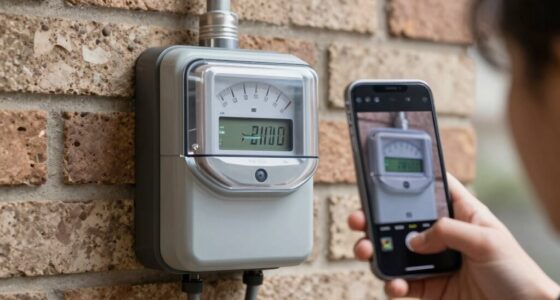
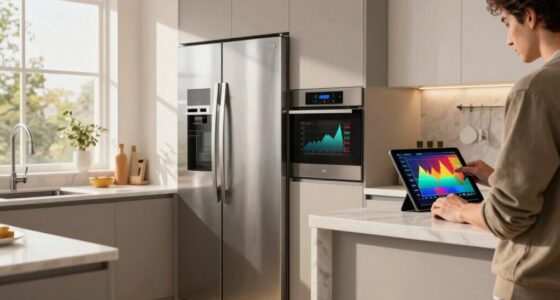
Energy labels tell you how efficient an appliance is by showing standardized ratings that make comparison easy. They indicate how much energy the appliance uses for specific tasks, helping you choose more eco-friendly options. However, labels don’t reveal details like durability, noise levels, or overall performance quality. Keep in mind, a high rating doesn’t guarantee the appliance is perfect. To get a full picture, it’s important to understand what these labels can and can’t tell you.

Turn the school run and nap time into listening time
- Thousands of audiobooks, podcasts and originals
- Listen on your phone, tablet or Echo — also offline
- Cancel anytime
Key Takeaways
- Energy labels indicate appliance efficiency and energy consumption but do not reflect durability, noise levels, or overall performance quality.
- Ratings are based on standardized testing procedures, ensuring fair and comparable efficiency assessments across appliances.
- Labels vary regionally, so understanding local standards is essential for accurate cross-region comparisons.
- They focus solely on energy efficiency, ignoring factors like lifespan, operational comfort, or potential breakdown issues.
- Additional reviews and specifications are necessary for a comprehensive evaluation of an appliance’s overall performance.
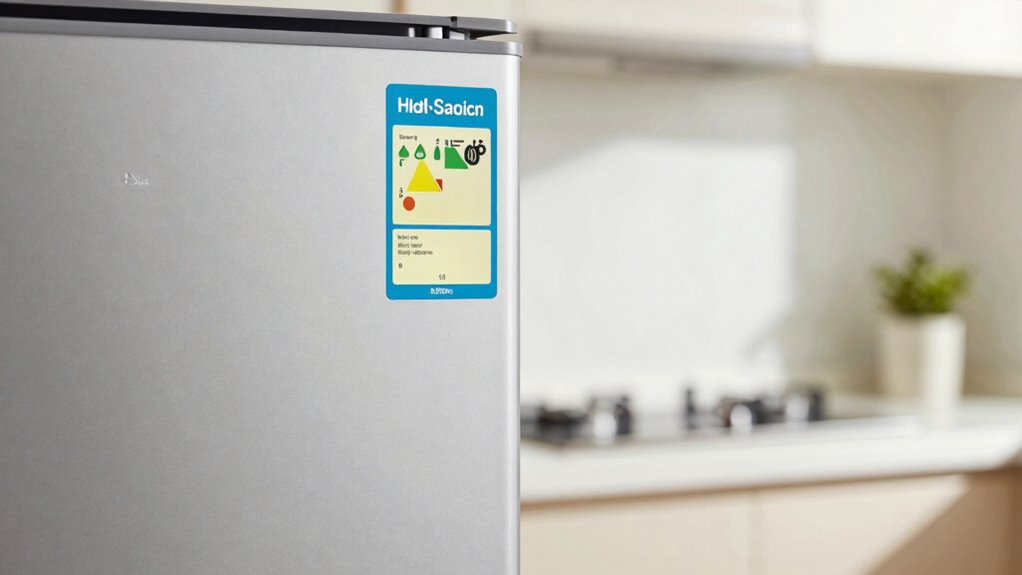
Have you ever wondered what those energy labels on appliances really mean? When you see a label stuck onto your fridge, washing machine, or dishwasher, it’s natural to want to understand what it’s telling you. These labels are designed to give you quick, standardized information about an appliance’s energy efficiency, but they don’t tell the whole story. To interpret them correctly, you need to grasp the concept of appliance rating and how label standards work together to provide useful insights.
Your first clue is the appliance rating, which is fundamentally a measure of how energy-efficient a device is. The higher the rating, generally, the less energy it consumes for the same task, meaning it’s more cost-effective and environmentally friendly over time. But these ratings are based on specific testing procedures, which follow certain label standards established by regulatory authorities. These standards ensure that comparisons between different appliances are fair and consistent. Without adherence to these label standards, ratings could be misleading or inconsistent, making it harder for you to make an informed decision.
However, energy labels are primarily focused on efficiency, not necessarily on other important factors like durability, noise level, or how well an appliance performs its main function. For instance, a refrigerator with a top-tier appliance rating might still be noisy or prone to breakdowns. The labels don’t usually provide detailed information on these aspects, so you should consider other reviews or specifications before making a purchase. Additionally, understanding energy labels can help you better compare appliances across different regions, as standards may vary internationally. Recognizing label standards is key to understanding how different regions’ ratings can be compared accurately, ensuring you select the most suitable appliance for your needs. Moreover, being aware of regional differences in labeling can help prevent confusion when evaluating appliances from abroad, especially when looking at international energy ratings. Being informed about the testing procedures behind these labels can further refine your understanding of what the ratings truly signify.
Frequently Asked Questions
Do Energy Labels Apply Internationally or Only Locally?
Energy labels primarily follow international standards, but they don’t always apply uniformly across regions. You’ll notice label variations from country to country, reflecting local regulations and energy efficiency criteria. While some labels are recognized globally, others are specific to certain markets. When shopping internationally, check if the label adheres to an international standard, so you can compare products accurately and make informed decisions regardless of where you’re buying.
How Often Should I Check for Updated Energy Labels?
You should check for updated energy labels every couple of years, as appliance certification processes often lead to new labels reflecting recent efficiency improvements. Notably, around 30% of appliances get recertified within five years, so staying informed helps you make smarter choices. Regularly checking energy label updates ensures you’re aware of the latest efficiency standards, saving money and energy. Keep an eye on label changes to maximize your appliances’ performance and eco-friendliness.
Are Energy Labels Mandatory for All Appliances?
Yes, energy labels are mandatory for most appliances. They’re part of appliance manufacturing regulations designed to guarantee consumers get clear energy efficiency information. The label design standardizes how energy consumption and efficiency are presented, making it easier to compare products. By law, manufacturers must include these labels on appliances like refrigerators, washers, and dryers before they hit the market, helping you make informed choices and encouraging manufacturers to improve energy efficiency.
Do Energy Labels Consider Appliance Longevity or Only Efficiency?
In the age of dial-up internet, energy labels focus primarily on efficiency, not appliance lifespan. You might think they consider durability considerations, but they mainly highlight energy consumption and environmental impact. While some labels include info on expected appliance lifespan, most don’t account for durability considerations or actual longevity. So, if you want a durable appliance, look beyond the label and check reviews or manufacturer info.
Can Energy Labels Influence Appliance Resale Value?
Energy labels can influence your appliance’s resale value because buyers often prioritize efficiency and low operating costs in the appliance market. A higher energy rating makes your appliance more attractive, suggesting lower energy bills and eco-friendliness. This can boost resale value since potential buyers see it as a cost-effective, modern choice. So, maintaining a good energy label might give you an edge when selling, increasing your chances of a better deal.
Conclusion
Energy labels help you compare efficiency, understand costs, and make better choices. They guide you to save money, reduce environmental impact, and select appliances that suit your needs. But they don’t tell you everything—like long-term durability or how performance varies with usage. So, while energy labels are a helpful starting point, always look deeper, ask questions, and consider the full picture before making your final decision. Use them wisely, and make smarter, more sustainable choices.
Fall Picks
fall essentials
As an affiliate, we earn on qualifying purchases.