
Peak pricing encourages you to shift your appliance use to off-peak hours when electricity is cheaper. Smart thermostats, timers, and demand response programs help automate this process, reducing your energy costs. Storing energy in batteries during low-rate periods allows you to use it during costly peak times. Combining flexibility with storage makes your home more responsive to price changes and can even lower your environmental impact. Keep exploring to discover how to optimize your energy strategy further.

Turn the school run and nap time into listening time
- Thousands of audiobooks, podcasts and originals
- Listen on your phone, tablet or Echo — also offline
- Cancel anytime
Key Takeaways
- Appliances are scheduled or automated to operate during off-peak hours to reduce costs.
- Smart thermostats and timers help avoid high-demand periods for heating, cooling, and water heating.
- Using energy storage allows appliances to run during cheaper, off-peak times, lowering overall expenses.
- Demand response programs incentivize delaying or shifting appliance use during peak periods.
- Appliance investment decisions favor energy-efficient and flexible devices that can adapt to fluctuating rates.
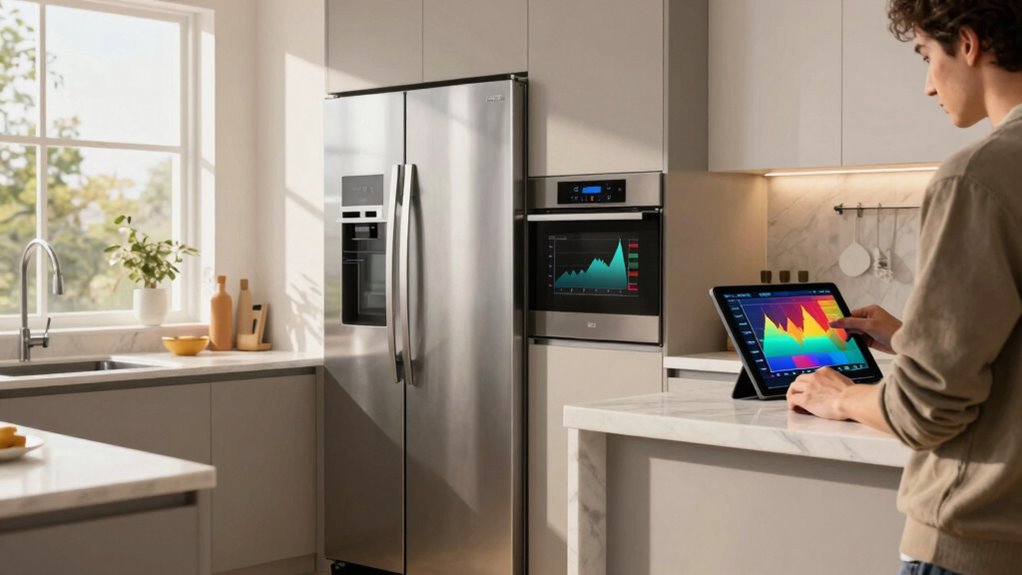
Have you ever wondered how to save money on energy costs while keeping your home comfortable? With peak pricing in effect, your usual appliance strategies might need a rethink. Peak pricing means electricity rates soar during certain times of the day when demand is highest, often in the late afternoon and early evening. This shift encourages you to contemplate demand flexibility—adjusting how and when you use energy to avoid costly peak hours. By shifting your high-energy activities to off-peak times, you can considerably cut your bills.
One of the most effective ways to do this is through energy storage. Installing a home battery allows you to store electricity during low-cost, off-peak hours and use it when rates spike. With energy storage, you’re no longer forced to run your dishwasher, laundry machine, or even charge your electric vehicle during expensive periods. Instead, you can load these appliances when electricity is cheaper and rely on stored energy during peak times. This not only reduces your costs but also eases stress on the grid during high-demand periods, making your home more resilient and sustainable.
Energy storage lets you run appliances during off-peak hours and use stored power during expensive peak times.
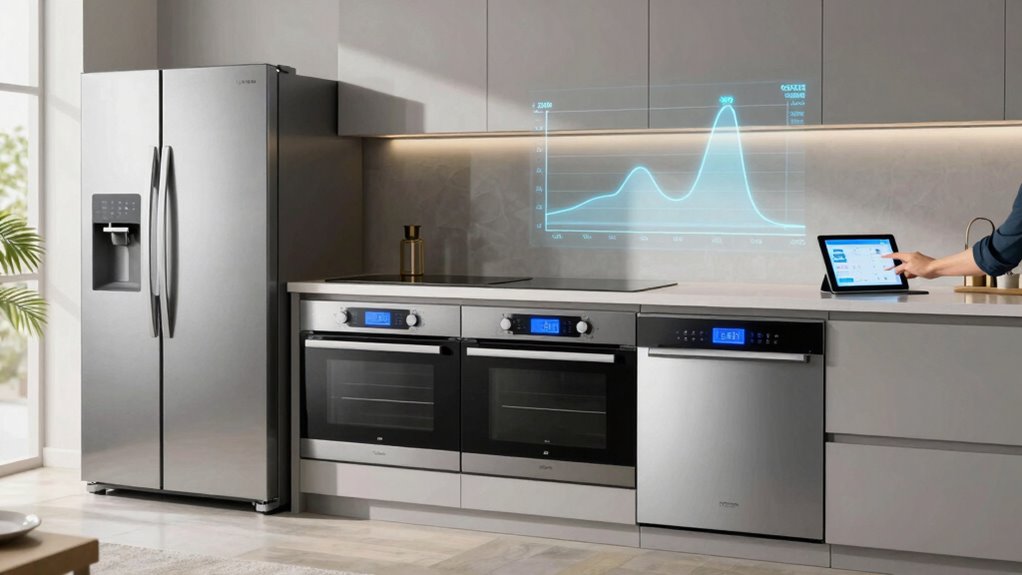
Demand flexibility becomes especially valuable when you contemplate how appliances are operated. For example, smart thermostats can learn your schedule and adjust heating or cooling to avoid peak hours, while programmable timers can automate the operation of water heaters or pool pumps. These small adjustments add up, helping you stay comfortable without paying premium rates. Plus, many energy providers offer incentives or rebates for households that participate in demand response programs, which encourage customers to modify their energy use during peak periods. Embracing demand management can further enhance your savings and environmental impact.
Energy storage plays a crucial role in this strategy because it provides a buffer, enabling you to decouple your energy consumption from the grid’s peak times. Instead of being at the mercy of fluctuating rates, you gain control over your energy use. This approach not only saves you money but also supports grid stability and reduces emissions. Additionally, understanding how peak pricing impacts your overall energy strategy can help you make more informed decisions about appliance operation and investments. Recognizing the importance of demand flexibility allows for more strategic energy management, especially during high-cost periods. Incorporating demand response programs can further optimize your energy management and savings.
When you combine demand flexibility with energy storage, you create a more intelligent, responsive home that adapts to dynamic pricing. In essence, peak pricing shifts the way you think about appliance use. By embracing demand flexibility and investing in energy storage solutions, you can keep your home comfortable while minimizing costs. This proactive approach turns the challenge of fluctuating energy prices into an opportunity—giving you more control and savings in the long run. Considering renewable energy options can also complement these strategies, further reducing reliance on the grid and lowering your carbon footprint.
Products Worth Considering

Levoit Core 400S-P Smart Air Purifier for Large Rooms (Up to 1,718 sq ft)

Philips Hue White and Color Ambiance A19 Smart Bulb Starter Kit, 2-Pack

eufy Security Video Doorbell E340, Dual Cameras, 2K FHD, 8GB Local Storage
As an affiliate, we earn on qualifying purchases.
Frequently Asked Questions
How Do Consumers Adapt Their Appliance Usage During Peak Pricing Periods?
During peak pricing periods, you adapt your appliance usage by shifting energy-intensive tasks, like laundry or running the dishwasher, to off-peak hours. You prioritize appliance efficiency, choosing energy-saving modes or more efficient models to reduce costs. Your behavior becomes more mindful of energy consumption, helping you save money and support grid stability. This strategy encourages smarter appliance use, aligning your habits with peak pricing incentives and promoting sustainable energy use.
What Types of Appliances Are Most Affected by Peak Pricing Strategies?
Appliances that guzzle energy like a thirsty traveler are most affected by peak pricing strategies. Your washing machines, dryers, and electric water heaters see the biggest hit, as their energy consumption spikes during peak hours. To stay efficient, you’ll want to focus on appliance efficiency and shift usage to off-peak times. This way, you save money and help balance the grid, making your energy habits work for you.
Are There Legal Regulations Influencing Peak Pricing Implementations?
Yes, legal regulations do influence peak pricing implementations. You need to guarantee legal compliance with local and federal regulations, which can vary by region. Regulatory challenges may include restrictions on pricing structures, transparency requirements, and consumer protections. By understanding these rules, you can design your peak pricing strategies to avoid legal issues, ensuring that your appliance usage aligns with regulatory standards and maintains customer trust.
How Does Peak Pricing Impact Appliance Maintenance Costs?
Peak pricing can lead to a cost increase in appliance maintenance because you’ll likely need to implement preventive measures to avoid breakdowns during high-cost periods. You might schedule more regular inspections or upgrade to more durable appliances, which can be costly upfront. However, these preventive measures can reduce emergency repairs later, helping you manage overall expenses better. Staying proactive guarantees your appliances run smoothly, even during peak pricing times.
Can Smart Appliances Automatically Adjust for Peak Pricing?
Yes, smart appliances can automatically adjust for peak pricing. They often use energy storage and demand shifting techniques to optimize usage during off-peak hours. By syncing with real-time price data, these appliances delay or accelerate their operation, saving you money. This automation reduces energy costs and eases grid demand during peak times, making your home more efficient and environmentally friendly while ensuring comfort and convenience.
Conclusion
Imagine your appliance strategy as a surfer riding unpredictable waves. When peak pricing hits, it’s like facing a sudden swell—your best move is to stay flexible and adapt quickly. Just as a surfer shifts their stance, you can shift your energy use to off-peak hours, saving money and avoiding costly surges. Embracing this approach turns a turbulent ride into a smooth glide, making peak pricing work for you rather than against you.