
Timing your laundry during off-peak hours on modern energy plans saves you money and helps manage grid demand. When you do laundry outside peak times, you avoid higher rates and reduce strain on the electrical system. Smart meters give you real-time data, making it easier to plan your laundry for those cheaper, sustainable hours. Keep going to discover how these small habits can make a big impact on your energy costs and the environment.
Key Takeaways
- Modern energy plans incentivize off-peak laundry to reduce costs and prevent grid overloads.
- Smart meters provide real-time data, enabling better scheduling of laundry during low-demand periods.
- Timing laundry during off-peak hours supports grid stability and reduces reliance on high-cost, fossil-fuel-based power.
- Participating in demand response programs through smart scheduling helps achieve environmental sustainability goals.
- Small routine adjustments, like laundry timing, are more impactful with dynamic pricing and smart energy management.

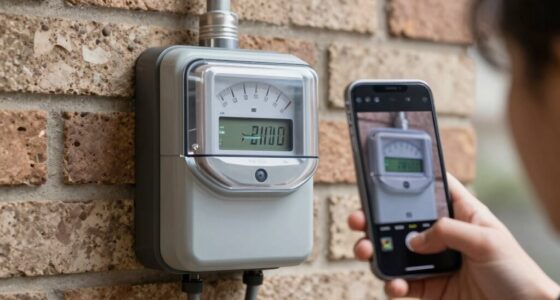
Many modern energy plans are designed to encourage consumers to shift their laundry routines to off-peak hours, helping to reduce overall energy costs and strain on the grid. As a result, understanding when to do your laundry isn’t just about convenience anymore — it directly impacts your bills and the energy system’s stability. Utilities now use smart meters to track your energy consumption in real time, making it easier to identify when you’re using the most power. These meters provide detailed data, allowing you to see exactly when peak hours occur in your area. During these times, energy demand surges, and electricity becomes more expensive to produce and distribute. By timing your laundry outside of these peak periods, you can save money and contribute to a more balanced grid.
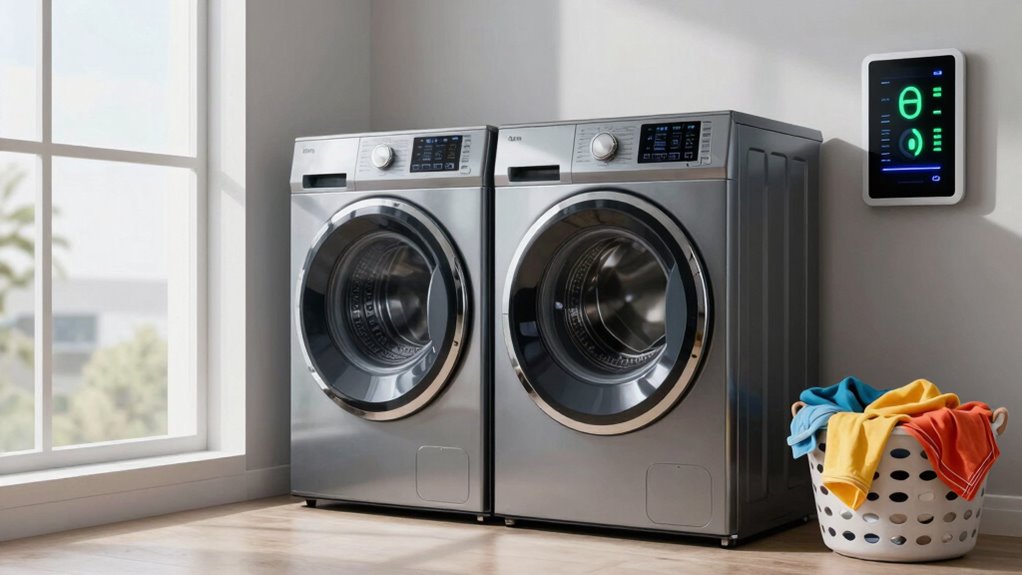
Peak hours typically happen in the late afternoon and early evening when most households turn on appliances, lights, and heating or cooling systems. During these times, energy providers often raise prices to manage the increased demand. If you run your washer or dryer during these hours, you’re likely paying a premium for the energy you use. Conversely, doing laundry during off-peak times, such as late at night or early morning, helps you avoid these higher rates. Many energy plans now include time-of-use pricing, which rewards you financially for shifting your energy-intensive activities to less busy hours. Understanding your local peak hours through your smart meter data empowers you to plan laundry times more strategically. Additionally, modern energy plans often incorporate automation or notifications to remind you when peak hours are approaching. Some utility companies send alerts via apps or emails, prompting you to delay your laundry cycle. This proactive approach makes it easier for you to adapt your habits without constant guesswork. By aligning your laundry schedule with these off-peak times, you’re not only saving money but also reducing the load on the grid during its busiest periods. This helps prevent outages and minimizes reliance on less sustainable energy sources, like peaking power plants that often produce higher emissions. Recognizing peak demand periods can help you optimize your energy use and contribute to a more sustainable system. Being aware of smart meter data and how it influences your consumption habits can further enhance your energy efficiency efforts. Additionally, understanding how demand response programs work can motivate you to participate in broader grid management initiatives. Furthermore, many utility companies are now integrating real-time data to better manage the grid’s stability and efficiency.
In essence, your laundry timing has become a small but meaningful step toward smarter energy use. Smart meters give you insight into your energy consumption patterns, and understanding peak hours allows you to make informed decisions. When you shift your laundry to off-peak hours, you’re actively participating in a more efficient and sustainable energy system. It’s a simple change that benefits your wallet and the environment, making your everyday routine more aligned with the goals of modern energy plans.
As an affiliate, we earn on qualifying purchases.
Frequently Asked Questions
How Can I Optimize Laundry Timing to Save Energy Costs?
To save energy costs, you should run laundry during off-peak hours, when electricity rates are lower. Use energy-efficient detergents to enhance cleaning without extra energy. Also, optimize your laundry cycle duration by choosing shorter cycles for lightly soiled clothes and only running full loads. These steps help reduce energy consumption, cut costs, and make your laundry routine more eco-friendly.
Do Modern Energy Plans Offer Specific Laundry Time Incentives?
Imagine your laundry spinning quietly in a cool, off-peak hour. Modern energy plans often offer incentives like lower rates during these times, thanks to flexible energy rate structures. Laundry scheduling apps can help you take advantage of these discounts by alerting you when energy is cheapest. By aligning your laundry with these incentives, you save money and reduce your environmental impact, making your routine smarter and more efficient.
What Appliances Are Most Energy-Efficient for Off-Peak Laundry?
You should consider a high-efficiency washing machine and dryer for off-peak laundry. Look for models with ENERGY STAR certification, as they use less water and energy, saving you money and reducing environmental impact. Modern washing machines with inverter motors and advanced sensors optimize performance, while energy-efficient dryers with moisture sensors prevent over-drying. These appliances help you take full advantage of off-peak hours on your energy plan.
Can Laundry Timing Impact My Overall Energy Consumption?
Yes, laundry timing can impact your overall energy consumption. By adjusting your laundry habits to run during off-peak hours, you reduce demand on the energy grid and lower your energy use. This not only helps you save money but also minimizes environmental impact. Modern energy plans often incentivize such habits, making it easier to manage your energy consumption effectively and promote more sustainable laundry routines.
Are There Smart Home Devices to Automate Laundry Scheduling?
Think of your smart home as a conductor guiding a symphony, where laundry automation acts as a skilled musician. Yes, there are smart home devices that automate laundry scheduling, syncing your washer and dryer to off-peak hours. These devices allow you to control and program your laundry appliances remotely, ensuring your laundry runs efficiently, saves energy, and aligns perfectly with your modern energy plan’s best times.
Conclusion
By now, you see that timing your laundry isn’t just about convenience—it’s about smarter energy use. As the saying goes, “A stitch in time saves nine,” and in this case, doing laundry at the right moment can save you money and reduce your carbon footprint. Staying mindful of energy plans encourages you to make better choices, proving that small actions, when timed well, can lead to big benefits for both your wallet and the planet.