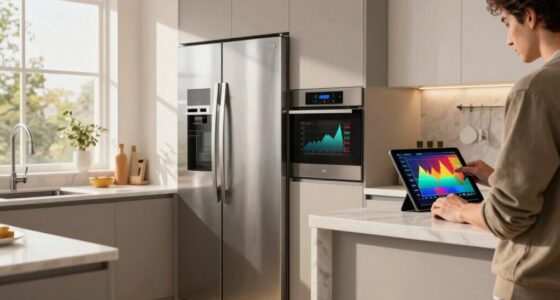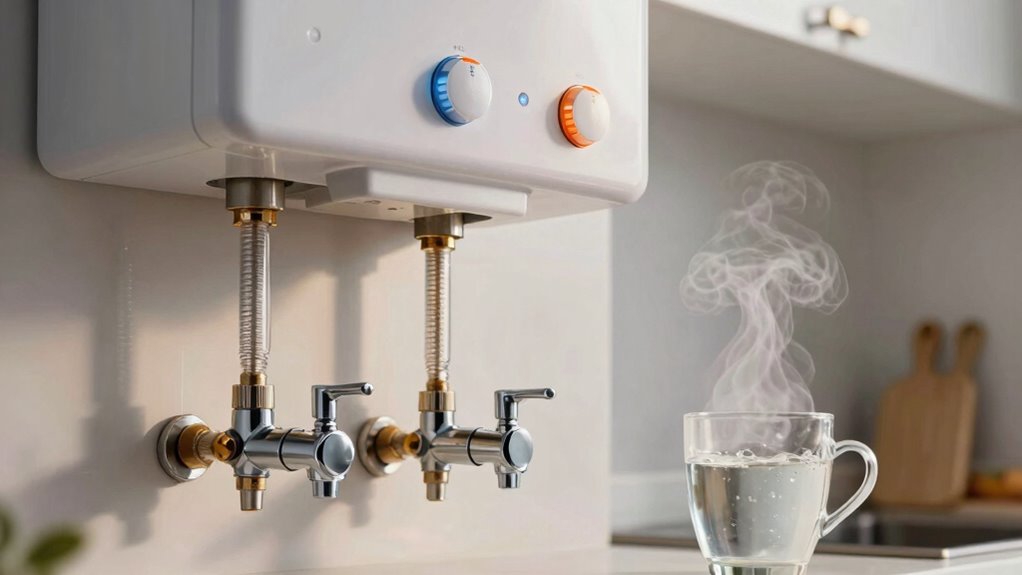

Adjusting your water heater’s temperature can lower energy use more than you might think. When you set the temperature lower, your heater works less often, saving electricity or gas. It also reduces your utility bills and minimizes scalding risks, especially for kids and seniors. But setting it too low might cause bacteria growth or inadequate hot water. If you keep these factors in mind, you’ll discover simple ways to save energy and keep your household safe and comfortable.

Turn the school run and nap time into listening time
- Thousands of audiobooks, podcasts and originals
- Listen on your phone, tablet or Echo — also offline
- Cancel anytime
Key Takeaways
- Lowering water heater temperature from 140°F to 120°F can significantly reduce energy consumption without compromising hot water needs.
- Operating at higher temperatures increases energy use due to more frequent and intense heating cycles.
- Proper insulation of the water heater and pipes enhances energy savings beyond just temperature adjustments.
- Small changes in temperature settings and household habits can lead to larger-than-expected reductions in utility bills.
- Balancing safety, comfort, and efficiency in temperature choice prevents unnecessary energy waste and promotes cost savings.
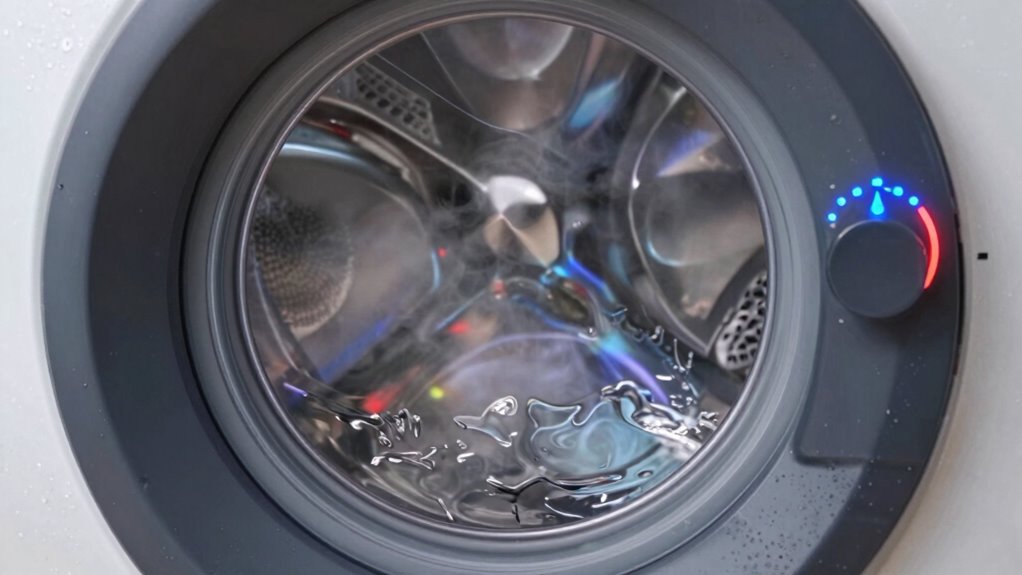
Choosing the right water temperature might seem like a small decision, but it can considerably impact your energy consumption more than you might expect. When it comes to water heating, the temperature setting on your water heater directly influences how much energy you use each day. A higher temperature means your water heater has to work harder, consuming more energy to maintain that heat. Conversely, lowering the temperature can lead to significant energy savings, reducing your utility bills without sacrificing comfort or safety.
Most water heaters are set around 140°F (60°C) by default, but you don’t have to stick with this setting. Lowering the temperature to around 120°F (49°C) is often recommended for residential use, as it still provides enough hot water for daily needs while cutting down on energy use. When your water heater runs less frequently or at lower temperatures, it consumes less electricity or gas. This decrease in energy consumption translates directly to savings on your monthly bills. Over time, these savings can be substantial, especially if you’re mindful of your water heating habits.
Lowering your water heater to 120°F can save energy and reduce bills without sacrificing comfort.
Adjusting your water temperature isn’t just about saving money; it’s also about safety. Setting it too high increases the risk of scalding, especially for children or the elderly. On the other hand, setting it too low might not provide enough hot water for your household or could lead to bacterial growth, like Legionella. The balance between safety, comfort, and energy efficiency lies in finding the optimal temperature setting. Additionally, understanding the impact of temperature settings on energy consumption can help you make more informed choices for your household. To maximize energy savings, consider insulating your water heater and pipes; these measures help retain heat and lower the workload on your water heating system. Adding proper insulation can further improve efficiency and reduce heat loss, making your system more sustainable and cost-effective. Moreover, paying attention to user habits, such as taking shorter showers or using water-efficient fixtures, can further reduce household energy use and support sustainability goals.
Keep in mind that your household’s hot water demand influences how much energy you save. If you use water sparingly, lowering the temperature makes even more sense. If you need a lot of hot water, find a compromise that still reduces energy consumption but meets your household’s needs. Regular maintenance, such as flushing sediment from the tank, also helps keep your water heater running efficiently, further reducing energy use.
In the end, small adjustments in water temperature can make a big difference. By proactively managing your water heating settings, you’re not only protecting your household from unnecessary energy waste but also contributing to a more sustainable future. Making these simple changes allows you to enjoy comfort while keeping your energy costs in check, proving that sometimes, the tiniest decisions can have the largest impact.
water heater temperature controller
As an affiliate, we earn on qualifying purchases.
As an affiliate, we earn on qualifying purchases.
Frequently Asked Questions
How Does Water Temperature Impact Appliance Lifespan?
You can extend your appliance lifespan by maintaining your water heater properly and choosing the right water temperature. Keeping up with water heater maintenance prevents mineral buildup and corrosion, which can shorten appliance efficiency and lifespan. Setting your water heater to an ideal temperature, around 120°F, helps reduce strain on the unit, preventing overheating and damage. Proper water temperature choices, combined with regular maintenance, ensure your appliances stay efficient and last longer.
Are There Health Risks Associated With Lower Water Temperatures?
Lower water temperatures might seem harmless, but they can cause serious health concerns if bacteria like Legionella thrive. You could risk infections or illness due to poor temperature regulation, especially if your water isn’t hot enough to kill germs. Always guarantee your water is heated to safe levels, around 120°F, to protect your health and prevent bacteria growth. Don’t let cold water put your well-being at risk!
Can Water Temperature Choices Influence Indoor Humidity Levels?
Yes, your water temperature choices can influence indoor humidity levels and impact indoor comfort. When you set your water heater to higher temperatures, it can increase indoor humidity through steam, making the air feel damp or sticky. Conversely, lower water temperatures may reduce moisture, helping with humidity control. Adjusting your water heater carefully allows you to optimize indoor comfort, balancing humidity levels without wasting energy.
What Are the Environmental Impacts of Water Heating Methods?
Have you considered how your water heating method impacts the environment? Choosing renewable energy sources like solar or wind reduces greenhouse gas emissions and promotes sustainability. It also encourages water conservation by using efficient systems that need less energy. Conventional methods, like gas or electric heaters, often consume more energy and produce more pollution. By switching to eco-friendly options, you help protect our planet while saving resources and reducing your carbon footprint.
How Do Water Temperature Preferences Vary Globally?
You’ll find that water temperature preferences vary globally due to cultural preferences and regional variations. In some countries, people favor hotter water for bathing, while others prefer cooler temperatures for comfort and energy efficiency. Climate influences these choices too, with colder regions often opting for warmer water. Regional traditions and available technology also shape these preferences, making water temperature choices quite diverse across different parts of the world.
Conclusion
By choosing your water temperature wisely, you can steer your energy use away from unnecessary heat wastage, much like trimming the sails to catch the wind just right. Small adjustments can lead to big savings, proving that your everyday choices ripple outward like a stone’s splash. So, next time you set the thermostat, remember—you hold the power to turn the tide on energy efficiency, making each degree a deliberate stroke in your environmental masterpiece.
Fall Picks
fall essentials
As an affiliate, we earn on qualifying purchases.