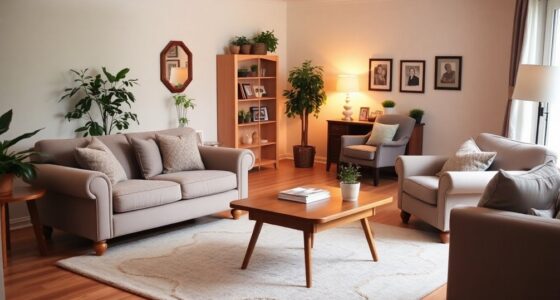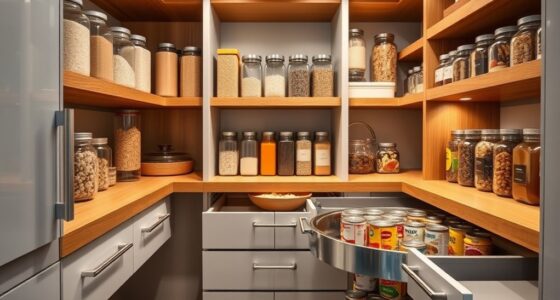
To create multi-use rooms that are guest-ready and truly accessible, focus on flexible design features like wide doorways, adjustable furniture, and accessible ramps. Incorporate technology such as audiovisual tools and good lighting to support different activities. Use inviting colors and comfortable furnishings to foster a welcoming atmosphere. When spaces are adaptable and inclusive, everyone feels comfortable and engaged. Discover how designing with purpose can transform your community space into an inviting hub for all.

Turn the school run and nap time into listening time
- Thousands of audiobooks, podcasts and originals
- Listen on your phone, tablet or Echo — also offline
- Cancel anytime
Key Takeaways
- Multi-use rooms are designed for easy reconfiguration to accommodate diverse activities and guest needs seamlessly.
- Accessibility features like ramps, wide doors, and visual aids ensure comfort for all users.
- Technological tools such as audiovisual equipment and Wi-Fi support versatile event setups.
- Neutral colors, good lighting, and inviting furnishings create welcoming, inclusive environments.
- Flexible furniture and quick layout changes promote a space that is both guest-ready and accessible for everyone.

Multi-use rooms are transforming how communities and organizations bring people together by providing flexible spaces that welcome everyone. When you step into one of these rooms, you immediately notice their versatility. Designed with adaptability in mind, these spaces can host everything from community meetings and classes to social events and quiet study sessions. The key is their ability to shift effortlessly between different functions, making them invaluable assets for any organization or neighborhood. Whether you’re organizing a workshop for a dozen people or hosting a large celebration, a well-designed multi-use room can accommodate your needs comfortably.
One of the most important features of these rooms is their accessibility. You want everyone to feel comfortable and included, no matter their mobility or physical abilities. That means clear pathways, wide doors, and adjustable furniture. You might see tables and chairs that are easy to move around or fold away, allowing the space to be reconfigured quickly. For individuals with mobility devices, accessible ramps and low-threshold entrances make a big difference, ensuring they can enter and participate without difficulty. Visual and auditory aids, like good lighting and hearing loops, further enhance inclusivity. When you’re planning or using these spaces, prioritizing accessibility isn’t just about compliance — it’s about genuinely welcoming everyone.
Prioritize clear pathways, wide doors, and adjustable furniture to ensure inclusive, accessible multi-use spaces for everyone.
Flexibility doesn’t stop at physical layout. Multi-use rooms are often equipped with technology to support a broad range of activities. You’ll find audiovisual equipment, Wi-Fi connectivity, and adaptable lighting solutions. These tools enable you to switch from a presentation setup to a relaxed social gathering in minutes. The furniture itself is often modular, allowing you to reconfigure the space for different group sizes or purposes. This means you don’t need to worry about dedicated spaces for every activity; instead, you have a single, dynamic environment that can morph to meet your needs. Additionally, understanding the importance of contrast ratio can help in selecting appropriate projectors or screens that ensure clear visibility regardless of lighting conditions.
The design of these rooms makes them feel inviting and non-intimidating. Neutral colors, good lighting, and comfortable furnishings help create a space where everyone feels at ease. When you’re hosting an event, it’s essential that your guests feel welcomed and comfortable from the moment they arrive. Multi-use rooms achieve this by blending functionality with a warm, inviting atmosphere. They’re not just functional spaces; they’re community hubs where individuals can connect, learn, and grow. By choosing a guest-ready yet accessible multi-use room, you’re making a conscious effort to foster inclusivity and create a space that truly serves everyone’s needs.
Frequently Asked Questions
How Do I Ensure Privacy in Multi-Use Rooms?
To guarantee privacy in multi-use rooms, you should use soundproofing solutions like acoustic panels or curtains to block noise. Install adjustable partitions or room dividers that can be moved as needed. Use lockable doors and clear signage to indicate when the space is private. Additionally, establish clear policies and communicate boundaries with users to respect everyone’s privacy, making sure the space feels secure and welcoming for all.
What Safety Features Should These Rooms Include?
Did you know that 85% of safety incidents in shared spaces involve inadequate security features? You should install surveillance cameras and accessible emergency exits, along with fire alarms and clear signage. Make sure to include tamper-proof locks and secure storage options. Regular safety drills and staff training are essential. These measures create a secure environment, ensuring everyone feels safe and protected while using the multi-use room.
How Can I Make the Space ADA Compliant?
To make your space ADA compliant, you should guarantee doorways are at least 32 inches wide and include lever handles for easy access. Install ramps alongside stairs, and keep pathways clear of obstructions. Use adjustable-height tables and accessible signage with tactile and visual elements. Incorporate visual and auditory alarms, ensure bathroom facilities are accessible, and provide adequate lighting. Regularly review and update features to meet ADA standards and accommodate all guests comfortably.
What Are Cost-Effective Ways to Design Versatile Rooms?
You can design versatile rooms cost-effectively by using modular furniture that adapts to different needs, like fold-away tables and stackable chairs. Opt for neutral colors to create a flexible aesthetic, and incorporate multi-purpose fixtures such as removable partitions. Reusing existing furniture and choosing durable, affordable materials also helps save costs. Finally, plan the layout to maximize space efficiency, making the room suitable for various activities without expensive renovations.
How Do I Manage Noise Levels in Shared Spaces?
You can manage noise levels by incorporating sound-absorbing materials like carpets and acoustic panels, which you might not associate with shared spaces. Using soft furnishings and strategic furniture placement helps dampen sound, creating a calmer environment. Setting clear guidelines for noise during certain hours encourages respectful use. Additionally, adding designated quiet zones can provide refuge for those needing silence, turning your shared space into a more comfortable, versatile environment for everyone.
Conclusion
Imagine a space where everyone feels welcome—whether you’re hosting friends or just seeking a quiet moment. Multi-use rooms that are guest-ready and accessible make this possible. Did you know that over 70% of community centers report increased engagement after redesigning spaces to be more inclusive? By creating versatile rooms, you foster connection and comfort for all. So, consider how your spaces can become welcoming hubs that serve diverse needs effortlessly.
Fall Picks
fall essentials
As an affiliate, we earn on qualifying purchases.