Iron filters are crucial for keeping your well water clear, odor-free, and safe. They remove iron buildup that causes stains, foul smells, and plumbing damage. Proper maintenance prevents bacterial growth and biofilm formation inside pipes, protecting your plumbing system and appliances. By managing pH levels and testing water regularly, you can improve filter efficiency and extend its lifespan. If you want to learn more about how these filter heroes can benefit your home, keep exploring.

Turn the school run and nap time into listening time
- Thousands of audiobooks, podcasts and originals
- Listen on your phone, tablet or Echo — also offline
- Cancel anytime
Key Takeaways
- Iron filters effectively remove staining, odors, and deposits, improving water quality in well-water homes.
- Proper maintenance and pH balance enhance filter performance and extend their lifespan.
- They prevent bacterial growth and biofilm formation that can clog plumbing and damage systems.
- Regular testing and tailored treatments ensure optimal iron removal and water safety.
- Iron filters protect plumbing and appliances, reducing costly repairs and ensuring clean, clear water.
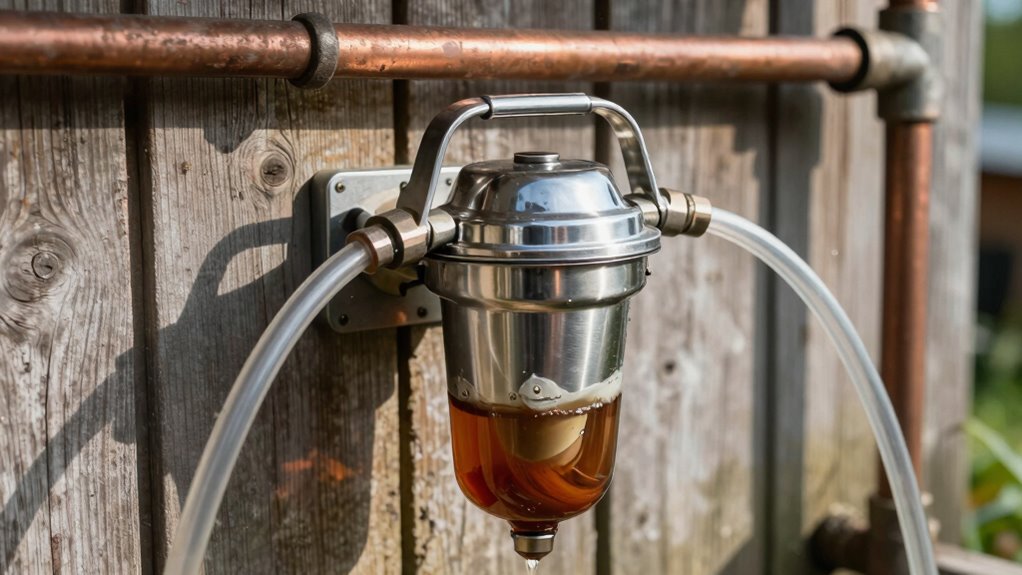
If you rely on well water, you might not realize how much iron can impact your home’s water quality. Iron isn’t just a minor nuisance; it can cause staining, foul odors, and even damage your plumbing over time. One often-overlooked issue is iron bacteria, tiny microorganisms that thrive in iron-rich environments. These bacteria create slimy, rust-colored deposits that can clog pipes and filters, making water treatment more challenging. Addressing iron bacteria requires more than just removing iron; it involves understanding the pH balance of your water. If the pH levels are off, it can encourage the growth of iron bacteria and exacerbate staining and odor problems. Regular testing of your water’s pH levels helps you catch imbalances early, allowing you to adjust with proper treatment solutions. When pH levels are in the ideal range, your iron filter can perform at its best, preventing buildup and extending its lifespan. Proper maintenance, including chemical treatments, is essential for controlling iron bacteria and ensuring your system functions optimally. Maintaining the correct water chemistry is crucial, as it directly influences the effectiveness of your iron filter and the growth of bacteria. Additionally, understanding the specific water quality parameters of your well water can help you tailor your treatment approach more effectively. Iron bacteria can cause more than just aesthetic issues; they can lead to serious plumbing problems if left unchecked. The bacteria’s slimy deposits can trap iron particles, creating blockages that restrict water flow. Over time, these deposits can harden and form stubborn biofilms on the interior of pipes and fixtures. An iron filter designed to combat these bacteria often incorporates chlorination or other oxidizing agents to eliminate the microorganisms before they form colonies. Maintaining your filter with regular backwashing and chemical treatments ensures it continues to function effectively against iron bacteria, protecting your entire plumbing system. Ultimately, iron filters are the unsung heroes in well-water homes because they actively work behind the scenes to keep your water clear, odor-free, and safe. They’re most effective when combined with monitoring your water’s pH balance and controlling iron bacteria growth. By staying vigilant and performing routine maintenance, you can prevent costly repairs and enjoy clean, great-tasting water every day. Remember, a well-maintained iron filter not only improves water quality but also extends the life of your plumbing and appliances, making it an essential part of your home’s water treatment system.
iron water filter for well water
As an affiliate, we earn on qualifying purchases.
As an affiliate, we earn on qualifying purchases.
Frequently Asked Questions
How Often Should Iron Filters Be Replaced or Maintained?
You should check and replace your iron filter every 3 to 5 years, depending on your water usage and iron levels. Regular maintenance involves inspecting for sediment buildup and ensuring proper pH adjustment, which helps improve filter efficiency. If you notice reduced water flow or discoloration, it’s time for a cleaning or replacement. Routine maintenance keeps your system working effectively, removing sediment and iron, and prolongs the filter’s lifespan.
Can Iron Filters Remove Other Contaminants Besides Iron?
Iron filters can remove various contaminants beyond iron, thanks to their filter media and design. Their effectiveness depends on contaminant diversity and filter compatibility; some filters target manganese, sulfur, or even certain bacteria. To guarantee ideal results, choose a filter specifically designed for the contaminants present in your water. Regular maintenance and proper filter selection are key to maximizing the filter’s ability to handle diverse impurities.
What Is the Typical Cost of Installing an Iron Filter System?
Imagine installing an iron filter in your home, and the cost is typically between $1,000 and $3,000, including equipment and installation. Cost considerations include the filter size, system complexity, and water testing. The installation process involves plumbing adjustments and system setup, which a professional handles efficiently. To guarantee smooth operation, budget for periodic maintenance and potential upgrades as your water quality needs evolve.
Are Iron Filters Effective in High-Flow Well Systems?
Yes, iron filters can be effective in high-flow well systems if your water has a balanced pH, typically between 6.8 and 8.0. Maintaining proper water pH guarantees the filter works efficiently and extends its longevity. However, in high-flow situations, you might need a larger or more robust filter to prevent clogging and ensure consistent performance. Regular maintenance and monitoring are key to keeping your system effective.
Do Iron Filters Require Electricity to Operate?
You might worry about electricity costs, but iron filters don’t need power to run. Instead, they rely on natural processes like oxidation and filtration, which work regardless of water pH levels. This means your filter’s lifespan depends on water quality, not electricity. Visualize clean, iron-free water flowing effortlessly through your home—powerless but effective, making your well water safer without adding to your energy bill.
Conclusion
Think of iron filters as the silent guardians of your well-water, quietly working behind the scenes to keep your water clear and safe. Without them, iron can turn your home’s water into a rust-colored mess, like a storm cloud lurking overhead. By investing in an iron filter, you’re fundamentally installing a shield that protects your household, ensuring every sip is pure and your plumbing stays pristine. They may be unsung heroes, but their impact is anything but unnoticed.
Halloween Picks
halloween
As an affiliate, we earn on qualifying purchases.