Filtering particles removes airborne contaminants like dust, pollen, pet dander, and mold spores using HEPA filters that trap ≥99.97% of particles at 0.3 microns. Reducing odors, on the other hand, uses activated carbon or charcoal filters to adsorb molecules from cooking, pets, smoke, and cleaning products. Both functions improve indoor air quality, but they target different pollutants. To understand how each method works and why maintaining your filters matters, keep exploring these differences.

Turn the school run and nap time into listening time
- Thousands of audiobooks, podcasts and originals
- Listen on your phone, tablet or Echo — also offline
- Cancel anytime
Key Takeaways
- Particle filtering uses HEPA filters to trap airborne particles like dust, pollen, and pet dander.
- Odor reduction involves activated carbon or charcoal filters that adsorb gaseous molecules.
- HEPA filters target solid particles, while activated carbon filters neutralize gaseous pollutants and odors.
- Regular filter replacement or cleaning maintains both particle filtration efficiency and odor absorption.
- Combining both filters provides comprehensive air purification, addressing particles and odors simultaneously.
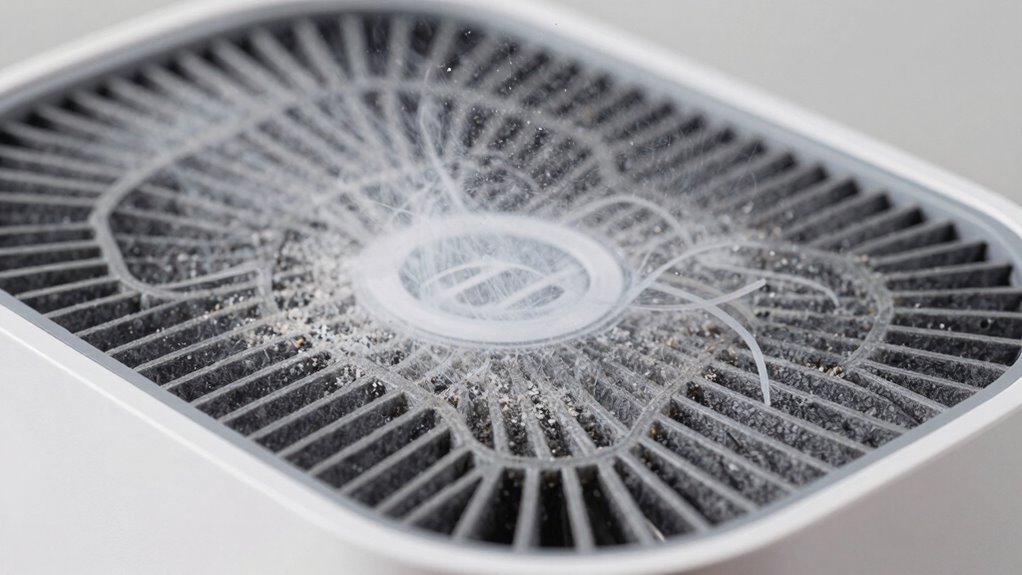
Filtering particles involves trapping airborne contaminants such as dust, pollen, pet dander, and mold spores. These tiny particles are often caught by filters like HEPA filters, which are designed to capture at least 99.97% of particles that are 0.3 microns or larger. When you turn on your air purifier, air is drawn into the device, and particles are captured in the filter media. To keep the purifier functioning effectively, regular filter maintenance is essential. Over time, filters become clogged with trapped particles, which can reduce airflow and decrease purification efficiency. Replacing or cleaning filters as recommended by the manufacturer ensures your air purifier continues to work efficiently, maintaining a high level of air purification. Additionally, understanding the importance of filter efficiency can help you select the right device for your needs. Regular filter replacement also prevents the buildup of trapped particles, which can compromise both particle filtration and overall air quality. Proper maintenance of filters also helps prevent the growth of mold and bacteria on the filter surfaces, which can further degrade air quality. Maintaining clean filters is especially important in environments with high levels of airborne allergens or pollutants, as it directly impacts overall air quality. Keeping filters in good condition can also prevent the spread of microbial growth, which might otherwise worsen indoor air health.
Regularly replace or clean HEPA filters to maintain effective particle removal and optimal air purifier performance.
Reducing odors, on the other hand, targets gaseous pollutants and volatile organic compounds (VOCs) that cause smells from cooking, pets, smoke, or cleaning products. Unlike particles, these odors are molecules floating in the air, and they require special filters to neutralize them. Activated carbon or charcoal filters are commonly used for this purpose. These filters work by adsorbing odor molecules onto their porous surface, effectively removing unpleasant smells from your environment. When it comes to filter maintenance, you need to replace or refresh activated carbon filters periodically because they become saturated over time and lose their ability to trap odors. Proper maintenance guarantees your air purifier continues to provide fresh, odor-free air. Understanding the filter media used in these filters can help you better appreciate how they work and why regular replacement is necessary. A thorough understanding of air quality improvement techniques can help you optimize your environment for better health and comfort.
Understanding the distinction between filtering particles and reducing odors helps you choose the right air purification system and keep it running smoothly. You’ll want a device with both HEPA and activated carbon filters if you’re aiming for all-encompassing air cleaning. Regular filter maintenance is key—neglecting it can compromise both particle filtration and odor reduction, diminishing the overall air quality. When you stay on top of filter replacements and cleanings, you maximize your air purifier’s effectiveness. It’s not just about having a device but about maintaining it properly so that it continues to improve your indoor air quality, making your space healthier and more comfortable.
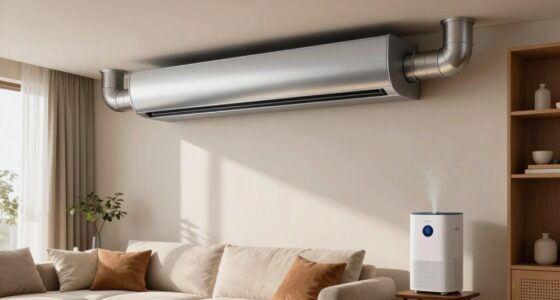
HEPA air purifier with particle filtration
As an affiliate, we earn on qualifying purchases.
As an affiliate, we earn on qualifying purchases.
Frequently Asked Questions
How Do Filters Impact Indoor Air Quality Long-Term?
Filters improve your indoor air quality long-term by consistently capturing airborne particles and reducing pollutants. They help meet air quality standards, ensuring a healthier environment. Your choice of filter material selection influences effectiveness; high-quality filters trap smaller particles and odors more efficiently. Regular maintenance and replacing filters prevent buildup and maintain airflow, supporting cleaner air over time. This ongoing process keeps your indoor air safer and more comfortable for you and your family.
Can Filtering Particles Also Eliminate Odors?
Filtering particles primarily improves air filtration by capturing dust, pollen, and other airborne particles, but it doesn’t effectively eliminate odors. For odor absorption, you need specialized filters like activated carbon or charcoal filters, which trap odor molecules. So, while air filtration improves overall air quality, it doesn’t fully eliminate odors unless combined with odor-absorbing filters, ensuring your indoor environment feels fresher and cleaner.
Are Some Filters Better for Specific Allergens?
Yes, some filters are better for specific allergens. HEPA filters, with high HEPA efficiency, effectively trap common allergens like pollen, pet dander, and dust mites. However, their allergen specificity varies; they excel at capturing particles of certain sizes but may not target all allergens equally. For ideal allergy relief, choose a filter designed for your particular allergens, ensuring it meets high HEPA efficiency standards for the best results.
How Often Should Filter Replacements Be Performed?
You should replace your air filters based on the recommended filter lifespan, which usually ranges from every 1 to 3 months, depending on usage and filter type. Establish a consistent replacement schedule to guarantee ideal air quality and system efficiency. Check your filters regularly, especially if you have pets or allergies, and replace them sooner if they look dirty or become clogged, maintaining a healthy indoor environment.
Do Odor-Reducing Devices Also Filter Airborne Particles?
Odor-reducing devices are like multi-taskers—they often filter airborne particles too, but not always effectively. Air purifier technologies vary, with some designed to target odors specifically, while others focus on filtering particles. The filter material effectiveness is key; activated carbon filters excel at odors, but HEPA filters are better for particles. So, check your device’s specs to see if it’s built to handle both tasks simultaneously.
Conclusion
So, whether you’re filtering particles or reducing odors, remember that each method has its purpose—filtering traps particles, reducing odors eliminates smells. Both improve your air quality, both make your environment healthier, both create a fresher space. Choose the right approach for your needs, combine them for maximum benefit, and enjoy cleaner, clearer, more breathable air every day. After all, better air starts with understanding the difference and making the right choice for you.
Fall Picks
fall essentials
As an affiliate, we earn on qualifying purchases.