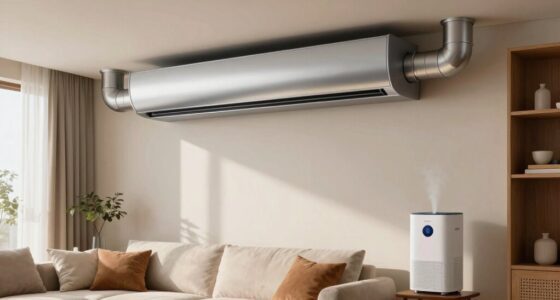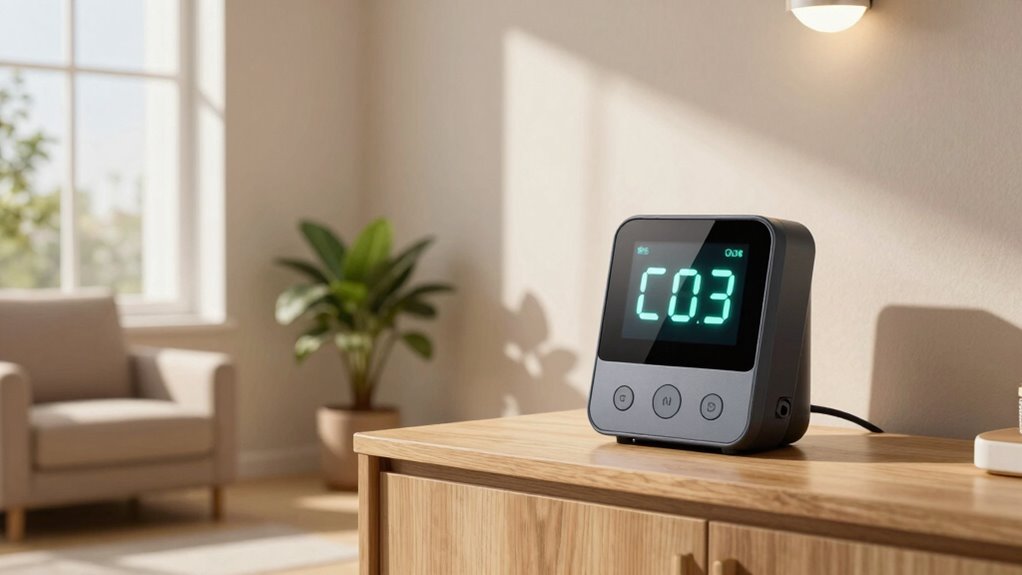

A smart CO2 monitor shows you why some rooms feel off by revealing real-time air quality levels. When CO2 rises, it indicates poor ventilation and stale air, which can cause discomfort, headaches, and sluggishness. These monitors help you spot issues that aren’t visible, like inadequate airflow or crowded spaces. By understanding these signals, you can take quick steps to improve ventilation. Keep exploring to discover how these devices can help create a healthier, more comfortable environment.

Turn the school run and nap time into listening time
- Thousands of audiobooks, podcasts and originals
- Listen on your phone, tablet or Echo — also offline
- Cancel anytime
Key Takeaways
- Elevated CO2 levels can cause stuffiness, headaches, and sluggishness, making rooms feel off despite cleanliness.
- Poor ventilation leads to CO2 accumulation, resulting in stale indoor air that affects comfort and well-being.
- Real-time CO2 data identifies when ventilation is insufficient, helping improve indoor air quality promptly.
- Smart monitors reveal hidden air quality issues not visible, enabling targeted ventilation strategies.
- Consistently high CO2 levels indicate the need for increased airflow or air purification to restore comfort.
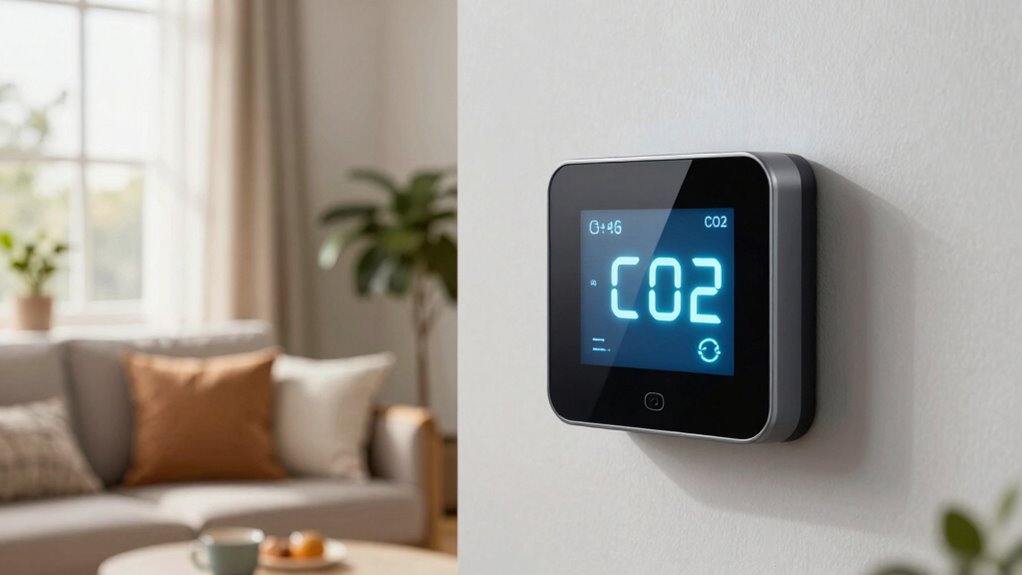
A smart CO2 monitor is an innovative device that helps you keep indoor air quality in check by continuously measuring carbon dioxide levels. When you place one in a room, it becomes clear how the air you breathe isn’t just about comfort—it directly impacts your well-being. Elevated CO2 levels often make a space feel stuffy, sluggish, or even cause headaches, even if the room looks perfectly fine. This is where understanding indoor air quality becomes essential. Your body signals when the air isn’t fresh, and a smart CO2 monitor makes these signals visible, so you know exactly when ventilation needs a boost.
Once you start monitoring, you’ll notice that many rooms feel off not because of visible mess or noise but due to poor airflow. In places like offices, bedrooms, or meeting rooms, indoor air quality can decline rapidly, especially when ventilation strategies are insufficient. Without proper airflow, CO2 accumulates, making the space feel stale and uninviting. A smart CO2 monitor provides real-time data, alerting you when CO2 levels rise beyond healthy thresholds, so you can take action before discomfort worsens. This immediate feedback helps you understand how different activities, like working or exercising indoors, affect air quality.
Many rooms feel off due to poor airflow, not mess, highlighting the importance of real-time CO2 monitoring.
Ventilation strategies become more effective when informed by data from your smart CO2 monitor. Instead of guessing whether to open a window or turn on an air purifier, you’ll know precisely when and how to improve airflow. For example, if the monitor shows CO2 levels climbing during certain hours, you can implement targeted strategies—like increasing outdoor air exchange, using exhaust fans, or upgrading your HVAC system. These proactive measures prevent indoor air from becoming stale and make sure that everyone feels more alert and comfortable. Over time, optimizing ventilation based on actual data helps reduce indoor pollutants and creates a healthier environment overall. Additionally, understanding indoor air quality better helps you implement effective solutions tailored to your space.
You’ll also notice that a smart CO2 monitor isn’t just about reacting to high levels; it’s about prevention. By maintaining ideal indoor air quality, you avoid the sluggishness and discomfort that come with poor ventilation. Plus, it encourages habits like opening windows regularly or adjusting your HVAC settings at strategic times. Incorporating insights from a smart CO2 monitor can also help identify ventilation inefficiencies that might not be immediately obvious. Recognizing air quality patterns over time allows for more informed adjustments and proactive management of indoor environments. This understanding of air exchange rates is essential for creating optimal indoor conditions. Overall, adopting a smart CO2 monitor transforms your understanding of indoor air quality, empowering you to make smarter ventilation choices. This proactive approach ensures your rooms stay fresh, comfortable, and healthier, no matter how busy or crowded they become.
smart CO2 monitor for indoor air quality
As an affiliate, we earn on qualifying purchases.
As an affiliate, we earn on qualifying purchases.
Frequently Asked Questions
How Accurate Are Consumer-Grade CO2 Monitors?
Consumer-grade CO2 monitors are generally fairly accurate for home use, but their accuracy depends on sensor placement and data interpretation. If you position the sensor in a well-ventilated, representative spot, you’ll get clearer readings. Keep in mind, they might not be as precise as professional equipment, but with proper placement and understanding of the data, they help you monitor indoor air quality effectively and make informed decisions.
Can CO2 Levels Directly Cause Health Issues?
High CO2 levels can impact your indoor air quality and respiratory health. When CO2 builds up, it can cause headaches, fatigue, and dizziness, especially in poorly ventilated spaces. Over time, continuous exposure may worsen respiratory issues or contribute to discomfort. Monitoring CO2 helps you identify these risks, so you can improve ventilation and maintain a healthier environment, ensuring better indoor air quality and supporting your overall respiratory health.
How Often Should I Calibrate My CO2 Monitor?
You should calibrate your CO2 monitor at least once every six months to guarantee accuracy. Ignoring calibration can lead to false readings, risking your health and comfort. Keep in mind, sensor lifespan affects how often you need to calibrate; as sensors age, their precision diminishes. Regular calibration maintains reliable measurements, so stay vigilant—your well-being depends on it. Don’t wait for signs of inaccuracy; act proactively to keep your environment safe.
Do All Rooms Require CO2 Monitoring?
Not all rooms require CO2 monitoring, but it’s beneficial in spaces with poor air circulation or limited ventilation. Monitoring helps you identify areas where ventilation improvements are needed to maintain fresh air and prevent stuffiness. If a room feels off or stuffy, using a CO2 monitor allows you to take action, such as increasing ventilation or opening windows, to guarantee healthier indoor air quality.
Are There Legal Standards for Indoor CO2 Levels?
Surprisingly, there aren’t strict legal standards for indoor CO2 levels everywhere, but building codes often set guidelines for good indoor air quality. You’re legally expected to adhere to these regulations, which aim to ensure safe environments. While no universal law mandates specific CO2 thresholds, maintaining proper ventilation aligns with legal compliance and promotes healthier spaces. So, yes, some standards exist, and ignoring them might mean risking more than just an uncomfortable room.
Conclusion
Now that you’ve seen how a smart CO2 monitor can uncover hidden air quality issues, it’s like having a modern-day lantern illuminating dark, stuffy corners of your home. Don’t wait for a ghostly chill or stuffy room to tell you something’s off—use this high-tech tool to breathe easier and keep your space feeling fresh. Remember, in the battle for comfort, knowledge is your secret weapon, just like the trusty lantern guiding you through the fog.
Fall Picks
fall essentials
As an affiliate, we earn on qualifying purchases.