
Sulfur water problems are caused by bacteria producing hydrogen sulfide gas, which causes a rotten egg smell, unlike hard water that involves mineral buildup like calcium and magnesium. Softening systems alone won’t fix sulfur issues because they only target minerals. Instead, you’ll need specific treatment methods such as chlorination, aeration, or activated carbon filters to remove hydrogen sulfide and control bacteria. Continuing explores effective solutions to guarantee your water is safe and odor-free.

Turn the school run and nap time into listening time
- Thousands of audiobooks, podcasts and originals
- Listen on your phone, tablet or Echo — also offline
- Cancel anytime
Key Takeaways
- Sulfur problems involve hydrogen sulfide gas and bacteria, requiring specialized treatment methods beyond mineral removal.
- Water softeners target calcium and magnesium minerals, but do not eliminate sulfur compounds or bacteria.
- Effective sulfur removal often involves chlorination, aeration, or activated carbon filtration systems.
- Regular testing and maintenance ensure sulfur issues are properly addressed and water remains safe.
- Consulting professionals helps tailor solutions specific to sulfur contamination, unlike treatments for hard water.
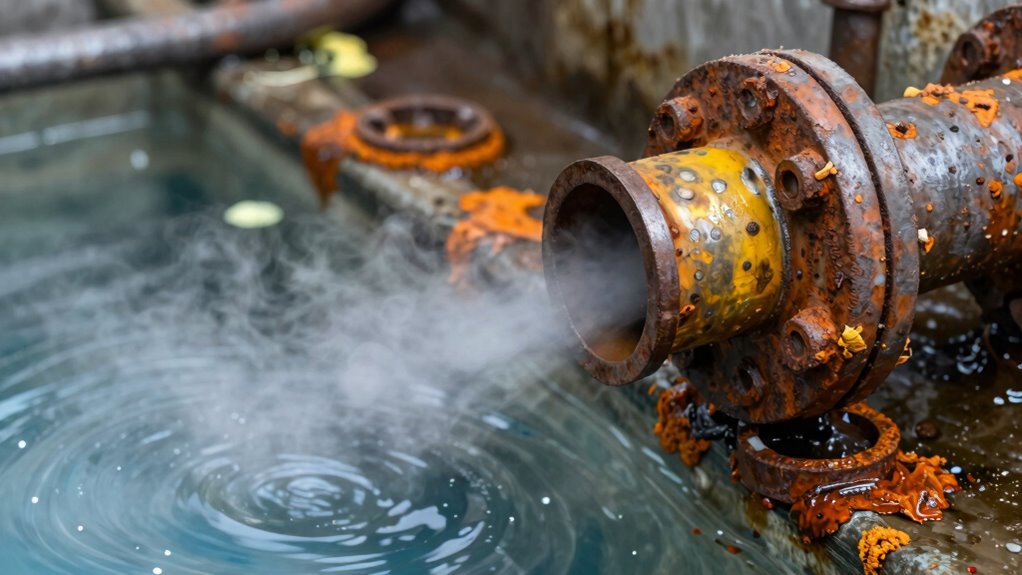
If your well water has a distinct rotten egg smell, sulfur contamination is likely the cause. This smell comes from hydrogen sulfide gas, which forms when bacteria break down sulfur compounds in your water. Unlike hard water, which is caused by mineral buildup like calcium and magnesium, sulfur issues demand a different approach. Hard water problems usually involve water softening systems that remove minerals, but sulfur requires targeted treatment to eliminate both the smell and potential bacterial contamination. Recognizing the specific chemical contaminants involved can help you select the most effective treatment methods. Bacterial contamination often accompanies sulfur issues. Certain bacteria thrive in groundwater, producing hydrogen sulfide as a byproduct. These bacteria can pose health risks, especially if they grow in your plumbing or water storage tanks. Addressing water odor issues caused by sulfur isn’t just about masking the smell; it’s about eliminating the bacteria and the gas they produce. Simply using traditional water softeners won’t solve sulfur problems. Instead, you need treatments designed specifically for hydrogen sulfide removal, such as chlorination, aeration, or filtration systems with activated carbon. Regular maintenance and monitoring are essential to ensure these systems function properly over time, preventing recontamination. Additionally, proper water testing can help identify the root causes and guide effective treatment choices.
Sulfur contamination in well water causes a rotten egg smell, requiring targeted treatment beyond standard water softening.
Chlorination is a common method to combat bacterial contamination and sulfur odors. By introducing chlorine into your water supply, you effectively kill the bacteria responsible for hydrogen sulfide production. Once the bacteria are dead, the sulfur gas diminishes, and the smell subsides. However, chlorination alone may not always be enough, especially if the bacteria are embedded in biofilms inside pipes. In such cases, aeration systems come into play by forcing air through water, stripping out the sulfur gases before the water reaches your tap. These systems are particularly effective because they remove the gas without introducing chemicals into your water.
Filtration systems also work well for sulfur removal, especially activated carbon filters. These are designed to absorb hydrogen sulfide and other contaminants, improving both water quality and odor. Installing a multi-stage filtration system that combines chlorination, aeration, and activated carbon can provide a thorough solution to sulfur water problems. Remember, it’s essential to test your water regularly to determine the levels of sulfur and bacterial presence. This way, you can adjust your treatment method as needed and ensure your water is safe and odor-free. Regular testing can help you monitor the effectiveness of your chosen treatment method and ensure ongoing water safety. Properly maintained systems are vital for preventing bacterial regrowth and ensuring continuous water quality.
Dealing with sulfur water problems requires understanding that it’s different from hard water. You can’t rely solely on water softeners; instead, you need specialized systems that target bacteria and gases directly. Proper treatment not only improves water taste and smell but also ensures your water is safe for daily use. Different solutions work better depending on your specific situation, so consulting with a water treatment professional can help you find the most effective fix. Additionally, understanding the groundwater composition in your area can help tailor the most appropriate treatment approach for sulfur issues.
As an affiliate, we earn on qualifying purchases.
Frequently Asked Questions
Can Sulfur Water Cause Health Issues With Prolonged Exposure?
Yes, long-term exposure to sulfur water can pose health risks. You might experience symptoms like nausea, diarrhea, or skin irritation. In some cases, prolonged exposure could lead to more serious issues such as respiratory problems or damage to your internal organs. It is crucial to address sulfur water contamination promptly to protect your health, especially if you notice persistent symptoms or suspect ongoing exposure.
What Are the Best Home Remedies for Sulfur Water Smell?
To tackle the sulfur water smell, try natural remedies like adding activated charcoal or using hydrogen peroxide in your water system. Home filtration systems, especially carbon filters, are effective at removing sulfur odors. You might also run hot water with a few drops of baking soda or add lemon juice to improve taste and reduce smell. These solutions help neutralize sulfur compounds without harsh chemicals.
How Does Sulfur in Water Affect Plumbing and Appliances?
Sulfur in water can cause plumbing corrosion and damage your appliances over time. The corrosive sulfur compounds eat away at pipes, leading to leaks or clogs, and can also damage appliances like water heaters and dishwashers, reducing their lifespan. You should address sulfur issues promptly with appropriate treatment, such as aeration or filtration systems, to prevent costly repairs and keep your plumbing and appliances functioning properly.
Is Sulfur Water Safe to Drink Without Treatment?
Drinking sulfur water is like risking your health for a terrible, rotten-egg flavor—it’s generally not safe without proper treatment. While sulfur itself isn’t usually harmful in small amounts, high concentrations can cause nausea and other health issues. For safe drinking sulfur water, you should get it tested and treated accordingly. Always prioritize your health and avoid consuming untreated sulfur water to prevent any potential risks.
What Is the Cost Difference Between Fixing Sulfur and Hard Water?
The cost comparison shows fixing sulfur water typically costs more than treating hard water. Treatment expenses for sulfur often involve specialized systems like aeration or catalytic filters, which can range from $500 to $3,000. In contrast, hard water solutions like water softeners usually cost between $300 and $1,500. While initial investments differ, both require ongoing maintenance, so consider your budget and water quality needs when choosing the right solution.
Conclusion
If you think fixing hard water is a walk in the park, brace yourself—sulfur water problems are a whole different beast. Imagine trying to tame a wildfire with a garden hose or stop a volcanic eruption with a sponge. You need the right tools and solutions, or you’ll be battling a sulfur smell that’s as stubborn as a mule and as fierce as a storm. Don’t settle for half-measures—fight fire with fire, and fix it right the first time!
Evergreen bestsellers Picks
bestsellers
As an affiliate, we earn on qualifying purchases.