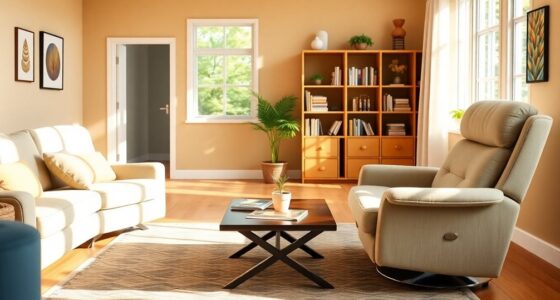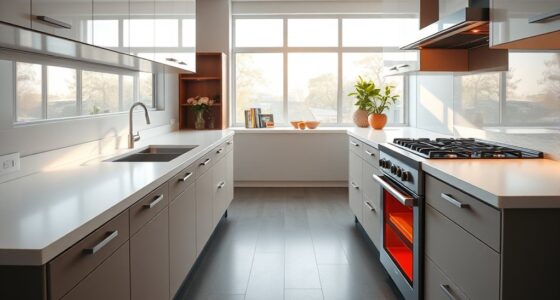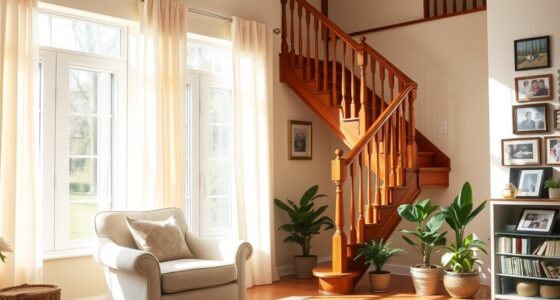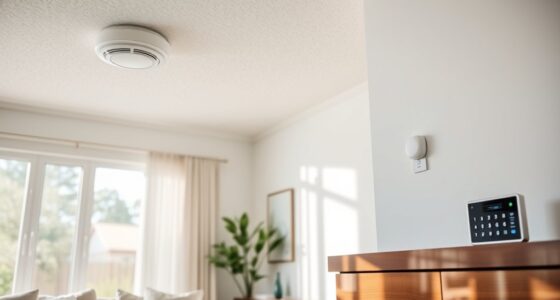

When choosing a contractor for senior-friendly renovations, guarantee they have experience with aging-in-place modifications and solid references. Verify they’re licensed, insured, and familiar with safety standards like grab bars, non-slip flooring, and proper lighting. Share your budget clearly and get detailed estimates to avoid surprises. Pick someone who communicates well and prioritizes safety throughout the project. Staying informed about key safety features helps ensure your home is both accessible and secure—the next steps are worth exploring.
Key Takeaways
- Verify contractors have experience with aging-in-place modifications and positive references from similar projects.
- Ensure safety features like grab bars, non-slip flooring, and proper lighting are prioritized and compliant with codes.
- Establish a clear budget, obtain detailed estimates, and avoid bids that seem unusually low to prevent safety compromises.
- Confirm contractors are licensed, insured, and knowledgeable about accessibility standards and safety regulations.
- Maintain open communication, monitor project progress, and ensure safety standards are properly implemented throughout.
When planning renovations to make your home safer and more accessible for seniors, choosing the right contractor is essential. You want someone who understands the specific safety considerations involved in senior-friendly modifications and can help you stay within your budget. The right contractor will not only execute the project efficiently but also prioritize safety features like grab bars, non-slip flooring, and improved lighting, ensuring your loved ones can move around comfortably and confidently. To start, you should look for a contractor with experience in aging-in-place modifications, as they’ll be familiar with the safety considerations that are critical for senior residents. Ask for references or reviews from previous clients who have had similar work done, and check whether their projects met safety standards and were completed on time and within budget. Additionally, staying informed about common issues such as falls prevention can help you emphasize important safety features during your renovation process. Incorporating sound design principles, such as clear audio cues and proper lighting, can further enhance safety and comfort for seniors. A contractor knowledgeable about building codes and regulations related to accessibility will ensure your modifications are compliant and effective. Moreover, understanding the importance of non-slip flooring options can significantly reduce accident risks in your home. Being aware of the latest technology innovations in safety devices can also provide additional peace of mind. Budget planning is a crucial step before you begin any renovations. You need to establish a clear budget and communicate it upfront to potential contractors. A reputable contractor will help you understand the costs involved in senior-friendly upgrades, including materials, labor, and any unforeseen expenses. They should also advise you on cost-effective options that don’t compromise safety but align with your financial constraints. Be wary of bids that are markedly lower than others, as they might cut corners on safety features or quality materials, which could jeopardize your loved ones’ well-being. It’s wise to get multiple detailed estimates and compare what each includes, especially regarding safety considerations. As you evaluate contractors, inquire about their familiarity with building codes and regulations concerning accessibility and safety for seniors. Make sure they’re licensed, insured, and bonded, which protects you from liability if accidents happen during the project. Communication is key—select a contractor who listens carefully to your needs, clearly explains their plans, and provides a detailed written estimate. This transparency will help you keep the project on track financially and ensure safety features are properly incorporated. Ultimately, choosing a contractor for senior-friendly renovations requires balancing safety considerations with budget planning. By doing thorough research, verifying credentials, and maintaining open communication, you can find a professional who will prioritize your loved ones’ safety while respecting your financial limits. This careful selection process will lead to a safer, more accessible home where seniors can thrive comfortably and independently for years to come.
Frequently Asked Questions
How Do I Verify a Contractor’S Senior-Friendly Renovation Experience?
To verify a contractor’s senior-friendly renovation experience, start by checking their credentials and licenses to make certain they’re qualified. Ask for references or examples of past projects specifically focused on senior-friendly modifications. Review their renovation experience by discussing the details of previous work that involved accessibility features or safety enhancements. A reputable contractor should confidently share proof of their expertise and a portfolio demonstrating their ability to meet senior needs effectively.
What Warranties Are Typically Offered for Senior-Friendly Modifications?
You should ask about warranty coverage for senior-friendly modifications before hiring. Typically, contractors offer warranties that cover repair policies for issues like structural problems or faulty installations, often lasting one to two years. Make certain you understand what’s included, such as repair policies for accessibility features or safety modifications. Clarify if the warranty covers both parts and labor, giving you peace of mind that your investment is protected if problems arise later.
How Can I Budget for Unexpected Renovation Costs?
Planning for unpredictable expenses is essential; prudent planning prevents panic. You should set aside a specific sum for unexpected expenses, creating a contingency cushion. During your budget, consider potential pitfalls and add a contingency percentage—usually 10-20%. This proactive planning provides peace of mind, ensuring you’re prepared for surprises and preventing financial friction. With careful planning, your renovation remains resilient, reliable, and within budget, even when surprises surface.
Are There Government Grants or Incentives for Senior Renovations?
You might find government grants and financial incentives available for senior-friendly renovations. These programs aim to support aging-in-place modifications, making your home safer and more accessible. Check with local, state, or federal agencies to see if you qualify for grants or tax credits, which can substantially offset renovation costs. Research thoroughly, as eligibility criteria and application processes vary, ensuring you take full advantage of these helpful resources.
What Is the Typical Timeline for Completing Senior-Friendly Renovations?
Did you know that most senior-friendly renovations take about 4 to 8 weeks? The timeline depends on project milestones, like planning, procurement, and construction. Once you’ve selected a contractor, they’ll create a schedule outlining each milestone. Your involvement and decision-making speed can influence the overall timeline. Staying organized and communicating clearly with your contractor helps guarantee your project stays on track and completes efficiently.
Conclusion
Just as a wise old owl carefully chooses its perch, selecting the right contractor guarantees your home becomes a safe haven for years to come. Trust your instincts, ask the right questions, and don’t rush the process. Remember, this isn’t just a renovation—it’s about creating a space where you feel secure and comfortable, much like a cozy nest. With the right partner, you’ll build a future where independence and peace of mind thrive.