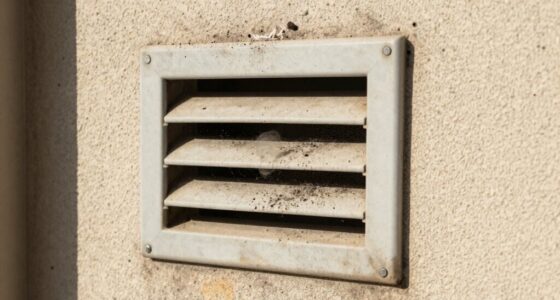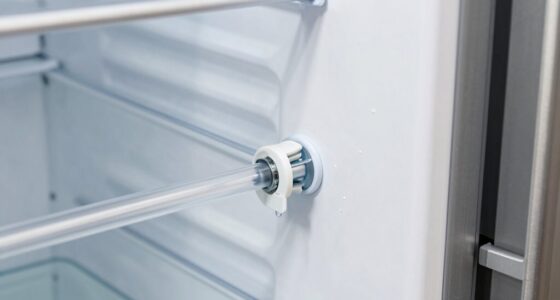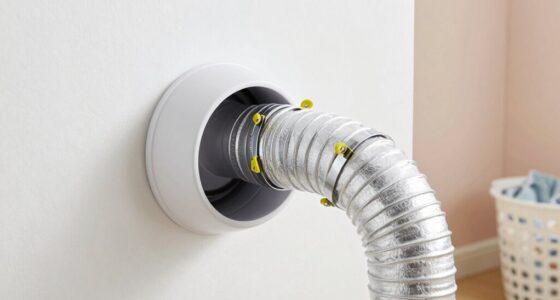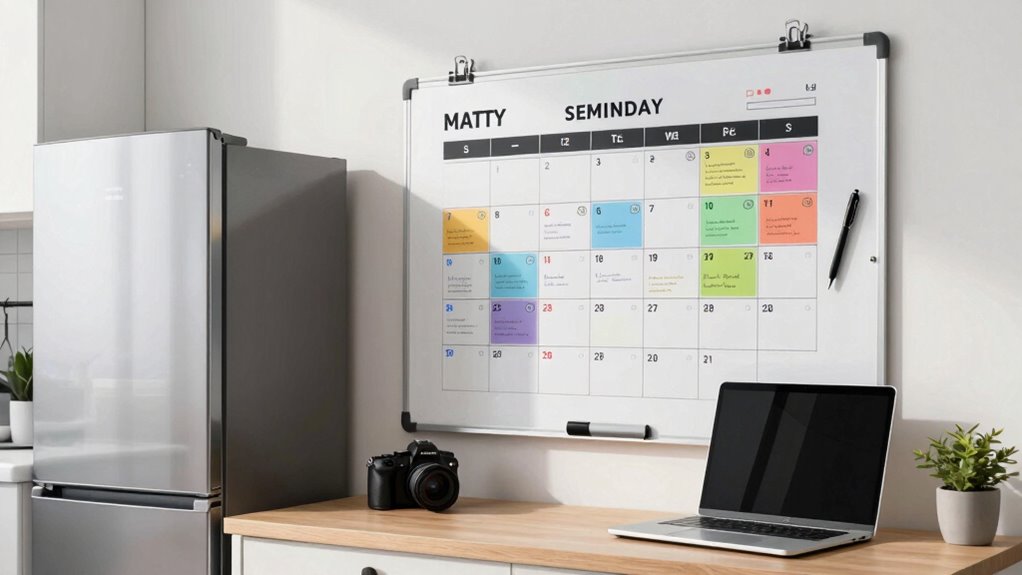

To build a year-round appliance maintenance calendar, start by taking inventory of all your appliances and noting their details. Use manufacturer guidelines to set recommended intervals for tasks like cleaning coils or inspecting seals, and include seasonal checks for appliances like heating and cooling systems. Schedule routine tasks quarterly and annual inspections, and set reminders to stay on track. If you keep organizing and adjusting your plan, you’ll keep appliances running smoothly and extend their lifespan—you’ll discover more tips ahead.

Turn the school run and nap time into listening time
- Thousands of audiobooks, podcasts and originals
- Listen on your phone, tablet or Echo — also offline
- Cancel anytime
Key Takeaways
- Inventory all appliances, noting make, model, and maintenance needs to establish a comprehensive baseline.
- Incorporate manufacturer-recommended intervals and seasonal tasks into a recurring schedule.
- Use digital tools or calendars to set reminders for each maintenance task throughout the year.
- Categorize tasks by frequency—monthly, quarterly, semiannual, annual—and adjust for seasonal needs.
- Regularly review and update the calendar based on appliance age, usage, and evolving household circumstances.
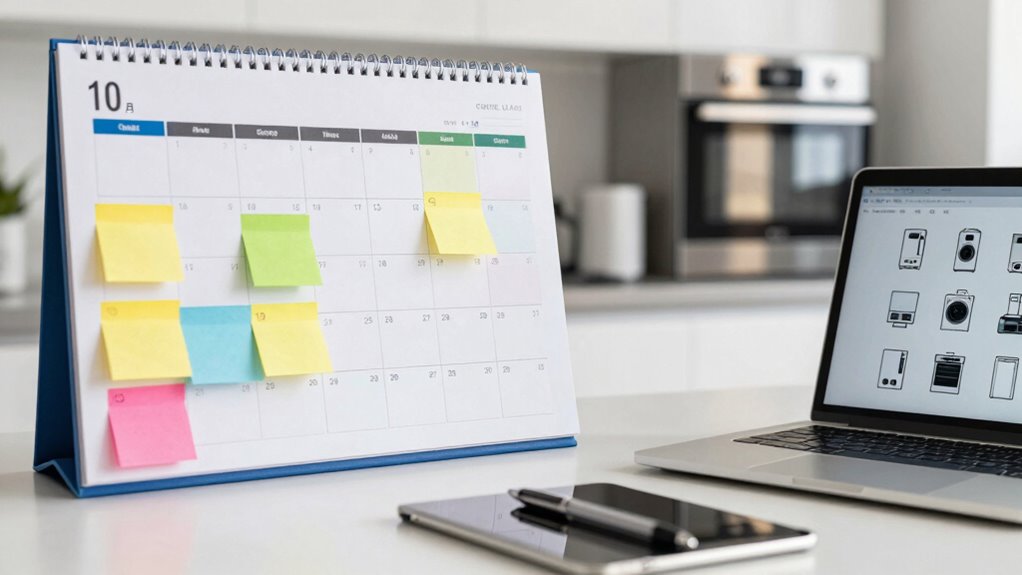
Creating a year-round appliance maintenance calendar might seem overwhelming, but breaking it down into manageable steps makes it straightforward. When you plan ahead, you can extend the appliance lifespan by catching issues early and preventing costly repairs. Maintenance scheduling isn’t just about fixing things when they break; it’s about establishing a routine that keeps your appliances running smoothly throughout the year. To start, take stock of all your household appliances—refrigerators, dishwashers, washing machines, ovens, and smaller devices like microwave ovens or coffee makers. Write down their make, model, and installation date if possible. This helps you identify specific maintenance needs and set realistic timelines for each.
Next, familiarize yourself with the manufacturer’s recommendations for maintenance. Many appliances have a user manual that details suggested service intervals. If you don’t have the manual, online resources or customer service can fill in the gaps. Incorporate these guidelines into your schedule, adjusting for your actual usage. For instance, a heavily used dishwasher might need cleaning more frequently than one used sparingly. Once you have this information, break the year into manageable segments—monthly, quarterly, biannual, and annual tasks. For example, clean refrigerator coils every six months, check seals annually, and run a cleaning cycle on your washing machine quarterly. Setting reminders for these tasks guarantees you don’t forget them, making maintenance scheduling easier.
As you develop your calendar, consider seasonal needs as well. For example, in winter, you might want to check your heating appliances or ensure that your sump pump is functioning properly. In summer, focus on cleaning air conditioning filters and inspecting outdoor appliances. Incorporating seasonal tasks prevents problems from building up unnoticed. Staying aware of appliance maintenance requirements helps you stay proactive and avoid unexpected breakdowns. Additionally, understanding the design and technology of your appliances can help you troubleshoot minor issues and perform simple repairs yourself, saving time and money. Recognizing common wear and tear patterns can help you anticipate when repairs might be needed before failures occur. Regularly cleaning and inspecting your appliances also contributes to their energy efficiency, which can lead to lower utility bills over time. Being aware of emerging smart home technology features can further optimize your appliance maintenance routines and provide remote monitoring options. Keep your calendar accessible—use digital reminders, a dedicated app, or a physical planner—so you’re consistently prompted to perform maintenance tasks. Staying disciplined with your schedule not only improves appliance performance but also extends their lifespan, saving you money in the long run.
Finally, periodically review your maintenance plan. As appliances age or if your household’s usage changes, adjust your schedule accordingly. Regularly tracking what’s been done and what’s upcoming keeps you organized and proactive. Building a thoughtful, flexible maintenance calendar takes some effort upfront, but it pays off by preventing breakdowns, increasing efficiency, and ultimately maximizing your appliances’ lifespan. With a clear plan in place, you’ll find appliance upkeep becomes a simple, routine part of your household management.
refrigerator coil cleaning brush
As an affiliate, we earn on qualifying purchases.
As an affiliate, we earn on qualifying purchases.
Frequently Asked Questions
How Do I Prioritize Appliances With Limited Maintenance Budgets?
To prioritize appliances with limited maintenance budgets, start by evaluating each appliance’s importance and risk of failure. Use maintenance prioritization to identify which appliances are critical for daily operations and could cause costly breakdowns if neglected. Allocate your budget accordingly, focusing on high-priority items first. Regularly review and adjust your budget allocation based on appliance performance and emerging needs to guarantee essential appliances stay reliable.
What Tools Are Best for Tracking Appliance Maintenance Schedules?
You should use digital tools like apps or spreadsheets for tracking appliance maintenance schedules, as they simplify maintenance record keeping. These tools help you monitor appliance lifespan and set reminders for upcoming maintenance tasks. Cloud-based options guarantee your data is accessible anywhere, and customizable templates make it easy to stay organized. Regularly updating your records keeps your appliances running smoothly and extends their lifespan, saving you money in the long run.
How Can I Customize the Calendar for Unusual Appliance Usage?
Think of your maintenance calendar as a tailor-made suit, fitting your unique needs. To customize it for unusual appliance usage, analyze your specific usage patterns and incorporate smart scheduling. Adjust maintenance intervals based on how often and intensely each appliance is used, rather than sticking to generic timelines. This personalized approach guarantees your appliances stay in top shape, even with irregular use, saving you time and preventing unexpected breakdowns.
What Are Common Signs Indicating Appliances Need Urgent Maintenance?
You’ll notice signs like strange noises, persistent leaks, or appliances running inefficiently, which indicate urgent maintenance is needed. Ignoring these signs can shorten appliance lifespan and increase maintenance costs. Pay attention to unusual vibrations or overheating, as these issues often signal underlying problems. Addressing them promptly helps prevent costly repairs later and keeps your appliances functioning smoothly, saving you money and extending their longevity.
How Do I Handle Maintenance for Appliances in Multiple Locations?
To handle maintenance for appliances in multiple locations, establish a centralized schedule that considers each appliance’s lifespan and typical maintenance needs. Regularly inspect and service appliances to prevent costly repairs and extend their lifespan. Keep detailed records of maintenance history and costs for each site. Coordinate with local technicians to guarantee timely service, reducing overall maintenance costs while maintaining appliance efficiency across all locations.
Conclusion
Now that you’ve got your year-round appliance maintenance calendar in place, you’re practically a domestic deity. Just imagine, forever dodging costly repairs and turning chores into a breeze—because who wouldn’t want a household where appliances hum along happily? With your newfound schedule, you’ll be the envy of every homeowner, armed with a plan so foolproof even the most stubborn appliances bow to your prowess. Cheers to a worry-free, appliance-loving life!
Fall Picks
fall essentials
As an affiliate, we earn on qualifying purchases.