
Unusual noises from your appliances, like squeals, squeaks, or banging sounds, often signal mechanical problems that could lead to breakdowns. A washing machine rumble, a refrigerator’s louder hum, or a dishwasher’s whine suggest worn-out parts or struggling motors. Ignoring these signs can cause further damage and costly repairs. Paying attention to these sounds helps prevent bigger issues later. If you want to understand more about what these noises mean and how to act, keep exploring.
Key Takeaways
- Unusual noises like squealing or banging often indicate worn motors, belts, or mechanical parts that may soon fail.
- Excessive humming or clicking from refrigerators suggests increased compressor strain, risking breakdown if unaddressed.
- Squeaking, thumping, or rumbling sounds in dryers or washing machines point to worn rollers, belts, or unbalanced loads, signaling potential damage.
- Loud, irregular noises in freezers can signal defrosting issues or motor failure, increasing the risk of appliance failure.
- Ignoring early warning sounds can lead to more extensive and costly repairs or complete appliance breakdowns.
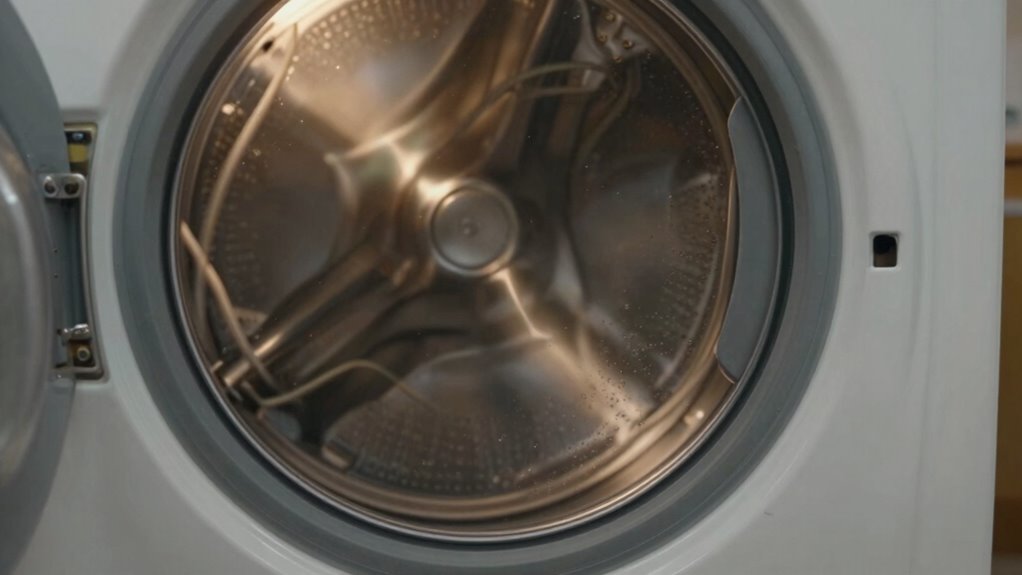
Many appliances give subtle warning signs before they break down, and one of the clearest indicators is unusual noises. When your refrigerator starts humming louder than usual or your washing machine makes grinding sounds, it’s a sign you shouldn’t overlook. These noises often point to underlying issues that, if addressed early, can save you money and energy. Recognizing what these sounds mean allows you to take proactive steps, maintain your appliances better, and even boost their energy efficiency.
Unusual appliance noises warn of issues; early detection saves money, energy, and prolongs appliance life.
If your dishwasher begins to whine or squeal during operation, it might be a sign that the motor or pump is struggling. Ignoring these sounds can lead to more significant damage, which then requires costly repairs or replacements. Similarly, a dryer that squeaks or makes thumping noises could indicate worn-out rollers or belts. Addressing these issues early not only prolongs the life of your appliances but also ensures they operate at *peak* energy efficiency.
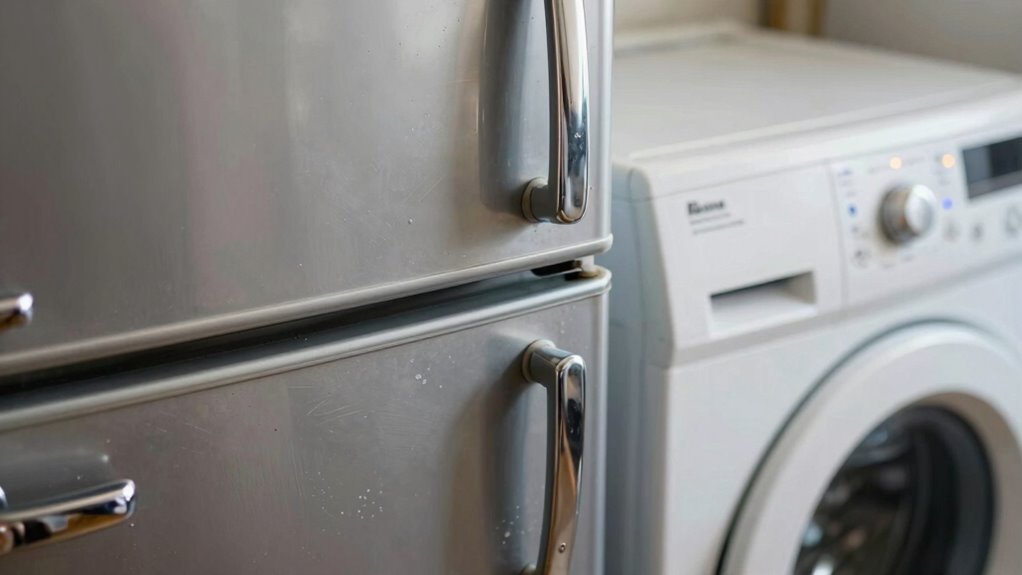
Your refrigerator might produce a buzzing or clicking noise more loudly than usual, which could mean the compressor is working harder than it should. This extra strain increases energy consumption, raising your utility bills. Regular maintenance tips, such as cleaning coils and ensuring proper ventilation, help your fridge run smoothly, conserving energy and preventing breakdowns. When you hear unusual sounds, checking and maintaining your appliances promptly can keep them running *effectively* longer. Paying attention to appliance noise patterns can help you identify potential problems before they escalate. Additionally, understanding appliance sound diagnostics can assist in pinpointing the exact issue more quickly. Being aware of common appliance warning signs can help you respond promptly and prevent costly repairs. Recognizing early warning signals is crucial for maintaining your appliances’ longevity and efficiency.
Washing machines sometimes develop a rumbling or banging noise when the drum is unbalanced or parts are worn. Ignoring these sounds can cause further damage or even lead to leaks. Proper maintenance tips, like redistributing laundry loads and inspecting hoses and connections, can prevent these issues and keep your washer functioning *effectively*. Similarly, a freezer that makes loud, irregular noises might be experiencing defrosting problems or motor issues, which, if not addressed, can cause energy inefficiency and food spoilage. Recognizing appliance noises early helps prevent costly repairs and extends the lifespan of your appliances.

3.5 oz (100g) Washing Machine Damping Grease with 10 Foam Inserts
- Vibration and Noise Reduction: Reduces washer shaking and noise during spins
- Long-Lasting Damping Grease: High viscosity, stable from -4°F to 248°F
- Premium Suspension Foam Inserts: Includes 10 elastic EVA foam pads for cushioning
As an affiliate, we earn on qualifying purchases.
As an affiliate, we earn on qualifying purchases.
Frequently Asked Questions
Can Unusual Appliance Noises Be Ignored Safely?
You shouldn’t ignore unusual appliance noises, as they often signal issues that can shorten its lifespan. Conduct noise diagnosis to identify problems early, preventing costly repairs or replacements. If you notice grinding, squealing, or knocking sounds, address them promptly. Taking quick action ensures your appliance stays reliable longer, saving you money and hassle. Overlooking these signs might lead to unexpected breakdowns, so stay attentive and proactive with appliance maintenance.
How Often Should I Inspect Appliances for Early Noise Signs?
Think of your appliances like musical instruments, needing regular tuning. You should incorporate a maintenance schedule that includes weekly or bi-weekly inspections for noise identification. Listening carefully, you catch early signs of trouble—strange sounds that signal potential issues. Regular checks help prevent breakdowns, saving you time and money. By staying attentive to these noises, you keep your appliances humming smoothly, much like a well-tuned orchestra performing flawlessly.
Do Different Brands Produce Different Warning Sounds?
Different brands do produce different warning sounds due to variations in design and components. You should be aware that brand variations can influence the specific warning sounds your appliances make, so it’s essential to familiarize yourself with each brand’s typical signals. Recognizing these warning sounds early helps prevent breakdowns. Keep an eye on unusual noises or changes in your appliances’ sounds, and consult the user manual for brand-specific guidance.
Are There Specific Noises Linked to Particular Appliance Failures?
Certain appliance noises can act as subtle signals of underlying issues, hinting at an approaching misstep in their lifespan. For example, a humming noise may suggest motor strain, while squealing often points to worn belts or bearings. By paying close attention to noise patterns, you can often identify specific failures early, allowing you to schedule repairs before things escalate. Recognizing these sounds helps extend your appliance’s longevity and prevents unexpected breakdowns.
What Immediate Actions Should I Take if I Hear Strange Noises?
If you hear strange noises from your appliance, stop using it immediately and unplug it to prevent further damage. Conduct noise diagnosis by noting the type of sound and when it occurs. Then, schedule appliance maintenance or contact a professional for inspection. Addressing issues early helps avoid costly repairs and extends your appliance’s lifespan. Always prioritize safety and avoid attempting repairs yourself unless you’re qualified.
Conclusion
When your appliances start making strange noises, it’s like a warning siren blaring just before a disaster. Ignoring these sounds is like ignoring a ticking time bomb about to explode in your kitchen or laundry room. If you catch those odd squeaks, bangs, or grinding early, you might just prevent a catastrophe that could flood your entire house or leave you countless dollars in repairs. Don’t dismiss the signs—listen closely before chaos releases!