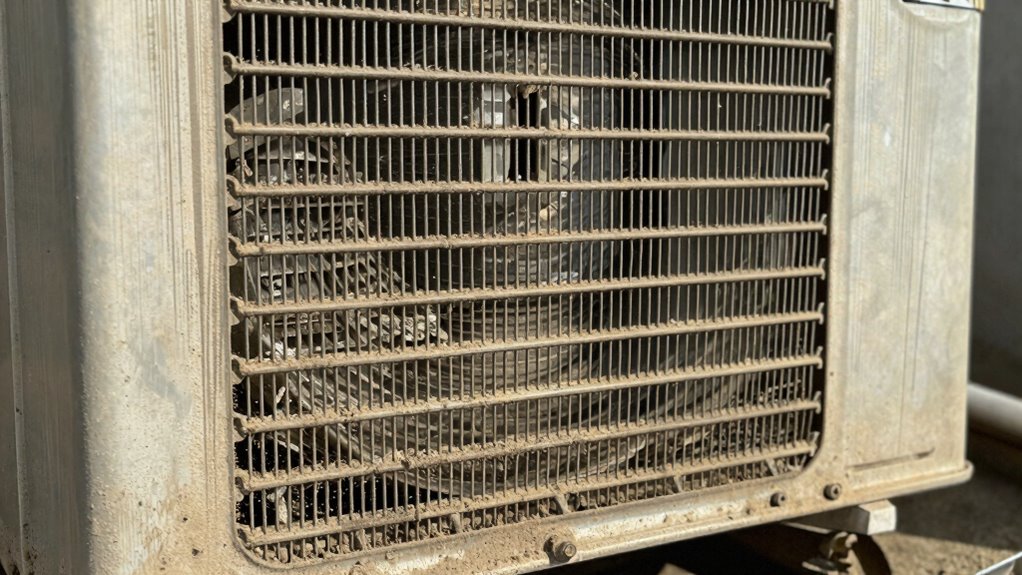

If you neglect cleaning your condenser coil, dirt and debris can build up quietly over years, reducing airflow and damaging the system’s efficiency. This buildup blocks heat transfer, causes refrigerant leaks, and forces your compressor to work harder, leading to faster wear and higher energy bills. Over time, these issues can cause costly repairs or replacements. Keep an eye on this often-overlooked problem—you’ll discover how to protect your system if you keep going.
Open a free Amazon Business account
Business pricing, bulk buying and tax-exempt orders.
As an affiliate, we earn on qualifying purchases.
Key Takeaways
- Dirt buildup on coils gradually reduces airflow, leading to decreased cooling efficiency over years.
- Neglecting coil cleaning causes refrigerant leaks and corrosion, harming system longevity.
- Poor maintenance increases compressor strain, raising energy costs and risk of breakdowns.
- System performance declines silently, often unnoticed until major repairs are needed.
- Regular coil cleaning prevents a cycle of inefficiency, leaks, and costly HVAC repairs.
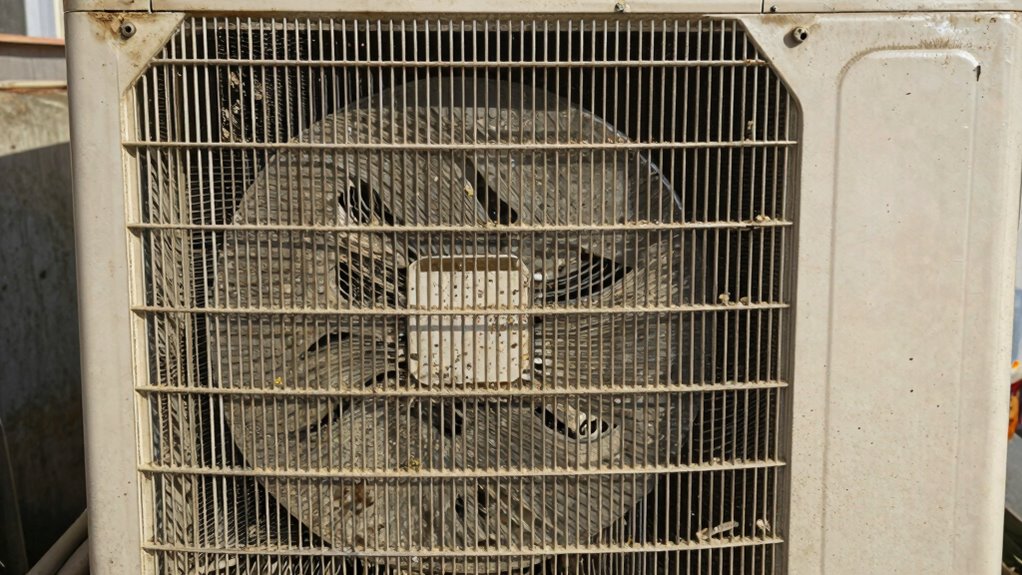
Many homeowners overlook the importance of a clean condenser coil, often ignoring it for years, even as it steadily hampers their cooling system’s efficiency. Over time, dirt, debris, and grime build up on the coil’s surface, blocking airflow and forcing your AC to work harder. This neglect can lead to more serious issues, like refrigerant leaks, which further degrade your system’s performance. When the coil is dirty, your compressor has to run longer and harder to cool your home, putting it under immense strain. This extra workload increases the risk of compressor failure, a costly repair that could have been avoided with regular maintenance. Regular cleaning of the coil not only improves performance but also prevents the buildup of contaminants, which can cause corrosion and further damage to the system. Proper ventilation and airflow are essential to prevent dirt accumulation and maintain system efficiency. Additionally, a clean coil promotes better heat exchange, enhancing overall system effectiveness.
You might not realize that a dirty coil directly impacts refrigerant circulation. If the coil isn’t properly cleaned, your system struggles to transfer heat efficiently. As a result, the refrigerant might not circulate as intended, causing pressure imbalances that can lead to leaks. Refrigerant leaks reduce the amount of coolant inside your system, forcing the compressor to compensate by running more frequently or at higher pressures. This cycle creates a vicious circle where the coil’s grime triggers refrigerant leaks, which in turn cause the compressor to strain even more. Over time, this can cause your entire cooling system to become unreliable, leaving your home uncomfortably warm during the hottest months.
The strain on the compressor isn’t just about energy costs. It’s about the health of your entire HVAC system. When the compressor works excessively, it wears out faster and is more prone to breakdowns. This not only causes inconvenience but also leads to expensive repairs or replacements. Regularly cleaning the condenser coil helps prevent refrigerant leaks and reduces compressor strain, extending the lifespan of your AC unit. It’s a simple maintenance step that can save you hundreds of dollars in the long run.
In essence, ignoring a dirty condenser coil doesn’t just mean reduced cooling capacity; it sets off a chain reaction that can damage critical parts of your system. Properly maintaining the coil by regular cleaning ensures your refrigerant stays at the right levels, your compressor runs efficiently, and your home remains cool without unnecessary interruptions. Taking the time to maintain your condenser coil might seem minor, but it’s a crucial step in preserving your HVAC system’s health and keeping your energy bills in check.
As an affiliate, we earn on qualifying purchases.
Frequently Asked Questions
How Often Should Condenser Coils Be Cleaned for Optimal Performance?
You should clean your condenser coils at least once a year for ideal performance. Regular cleaning helps prevent refrigerant leaks and coil corrosion, which can considerably reduce efficiency. If you notice dirt, debris, or buildup, clean them more often. Keeping coils clean ensures proper heat transfer, lowering energy bills and extending your system’s lifespan. Don’t ignore coil maintenance; neglected coils can cause costly repairs and poor cooling performance.
Can a Dirty Coil Affect Indoor Air Quality?
A dirty coil acts like a smog cloud inside your system, choking the air you breathe. It can reduce air filtration efficiency and hinder ventilation improvements, allowing dust, mold, and allergens to circulate freely. This can worsen indoor air quality, triggering allergies or respiratory issues. Regular cleaning helps maintain proper airflow, ensuring your HVAC system filters pollutants effectively and keeps your indoor environment fresh and healthy.
What Are the Signs of a Failing Condenser Coil?
You’ll notice signs of a failing condenser coil through reduced cooling efficiency and higher energy bills. If you see refrigerant leaks or the coil appears corroded, these are clear indicators of trouble. A failing coil struggles to transfer heat properly, which can lead to system breakdowns. Regular inspections help catch issues early, preventing costly repairs and ensuring your AC runs smoothly.
Is Professional Cleaning Necessary or Can I Do It Myself?
You can do DIY maintenance on your condenser coil if you’re comfortable and have the right tools, but professional service is recommended for thorough cleaning. Regularly cleaning the coil yourself helps prevent buildup, but a professional technician can verify it’s done correctly and safely, especially if there’s heavy dirt or damage. Combining DIY maintenance with periodic professional service keeps your AC running efficiently and extends its lifespan.
How Much Does It Cost to Replace a Condenser Coil?
Replacing a condenser coil typically costs between $600 and $2,000, depending on your system and location. Picture your AC’s heart—if it’s damaged, it struggles to cool efficiently, wasting energy and possibly causing a refrigerant leak. This can lower your energy efficiency and lead to costly repairs. Investing in a replacement restores smooth airflow, improves cooling, and prevents future refrigerant leaks, keeping your home comfortable and your bills in check.
Conclusion
Ignoring a dirty condenser coil is like overlooking a small crack in your home’s foundation—at first, it seems minor, but over time, it can cause bigger issues. Regular maintenance keeps everything running smoothly, preventing the sneaky buildup from quietly undermining your comfort and energy bills. Don’t let a neglected coil turn into a costly surprise. Stay vigilant, give your system some TLC, and enjoy the peace of mind that comes with a well-cared-for home.
Flea & tick season Picks
flea and tick prevention
As an affiliate, we earn on qualifying purchases.