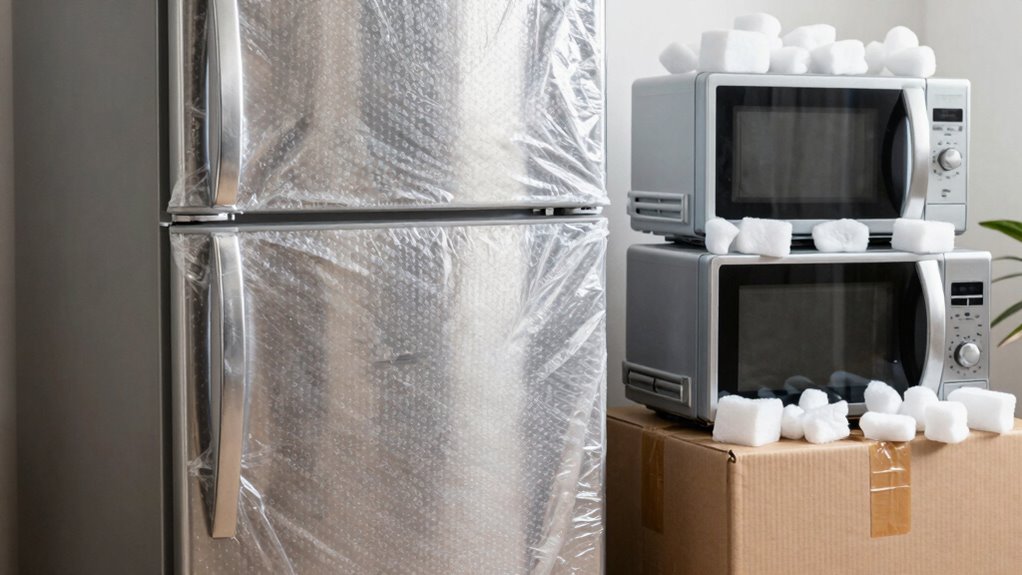
To protect your appliances during a move, carefully disconnect and clean each one, then pack fragile parts with bubble wrap or foam, securing loose accessories separately. Use moving blankets or padding to shield the exterior surfaces and label boxes clearly with “Fragile” and “This Side Up.” Secure appliances with straps or ropes during transit to prevent shifting, and handle lifting carefully to avoid injuries. For detailed tips on safeguarding your appliances, keep exploring the best techniques.
Key Takeaways
- Wrap appliances with moving blankets or padding to prevent scratches and dents during transit.
- Secure doors and glass panels with tape or straps to avoid accidental opening or breakage.
- Disconnect and drain appliances, then pack loose parts separately and label clearly for easy reassembly.
- Use straps or ropes to firmly secure appliances in place inside the moving vehicle.
- Handle appliances carefully with proper lifting techniques and use dollies or sliders for heavy items.
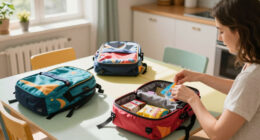
Are you worried about damaging your appliances during a move? Moving large appliances like refrigerators, washers, or dishwashers can be intimidating, but with proper preparation, you can protect them from harm. The first step is to carefully pack fragile items associated with your appliances, such as glass shelves or delicate components. Use plenty of packing materials like bubble wrap, packing paper, or foam to cushion these items and prevent breakage. Secure loose parts, like cords or small attachments, so they don’t get lost or damaged during transit.
Protect your appliances by carefully packing fragile parts and securing loose accessories before moving.
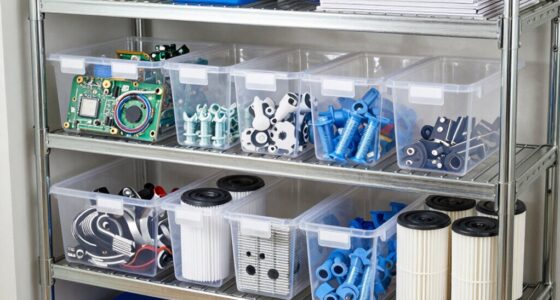
Labeling boxes accurately is crucial in safeguarding your appliances. When packing smaller parts or accessories, make sure to clearly mark each box with its contents and the specific appliance it belongs to. This will make unpacking easier and help you identify fragile or sensitive items that need extra care. Use bright or bold labels, and write specific instructions such as “Fragile” or “This Side Up” to ensure handlers are aware of the delicate nature of the contents.
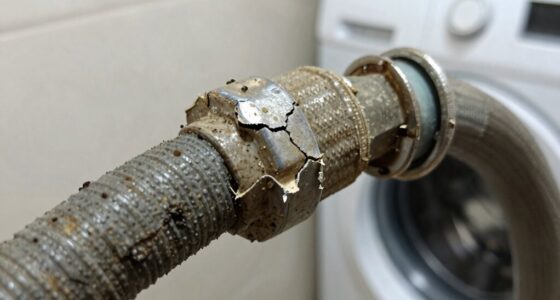
Before moving your appliances, disconnect and clean them thoroughly. Turn off power sources, unplug cords, and drain any remaining water or fluids. Secure all loose parts, like hoses, filters, or trays, and pack them separately with proper labeling. For larger appliances, consider hiring professionals to disconnect and prepare them for transport. If you’re doing it yourself, follow the manufacturer’s instructions carefully to avoid damaging internal components. Understanding home appliance safety can also help you better handle appliances during the move and prevent common mishaps. Additionally, knowing how to properly disassemble appliances can make the process safer and more efficient. Familiarizing yourself with appliance safety procedures can further reduce the risk of accidents or damage. Taking the time to research proper packing techniques can also ensure your appliances are well-protected during transit.
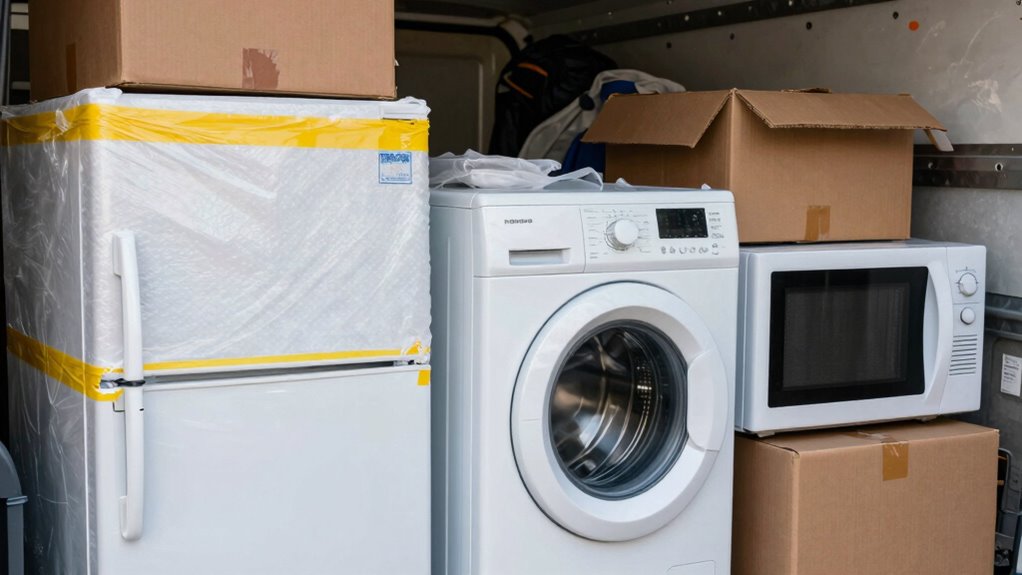
When it’s time to load appliances onto the moving truck, take your time. Use furniture dollies or sliders to move heavy items safely, and always lift with your legs rather than your back. Secure appliances with straps or ropes to prevent shifting during transit. Protect the exterior with moving blankets or padding to avoid scratches or dents. For appliances with doors or glass panels, tape or secure them shut to prevent accidental opening or breakage. Additionally, understanding appliance handling tips can help ensure you are taking the proper precautions during the process.
Once you arrive at your new home, take your time setting up. Unload appliances carefully and reassemble or reconnect according to manufacturer guidelines. Double-check that all parts are in place and functioning properly before plugging them in. Taking these steps will significantly reduce the risk of damage and ensure your appliances arrive in good condition, ready to use in your new space. Moving may be stressful, but with attention to detail and proper precautions, you can make the process smoother and protect your valuable appliances every step of the way.
As an affiliate, we earn on qualifying purchases.
Frequently Asked Questions
How Do I Disconnect Appliances Safely Before Moving?
To disconnect appliances safely, start by unplugging them from the power source, ensuring your hands are dry. For appliances with water lines, turn off the water supply and drain any remaining water. Follow your appliance’s maintenance manual for specific disconnection steps. Include this in your moving checklist to avoid damage. Carefully disconnect and pack cords separately, and secure all parts to prevent loss during transport.
What Packing Materials Are Best for Fragile Appliances?
Think of packing fragile appliances like wrapping a delicate gift; you need the right cushioning to protect it. Use packing techniques that involve sturdy, bubble wrap or foam padding to prevent shocks. Cushioning materials like packing paper, foam sheets, or even old towels work well for extra padding. These materials act as a shield, absorbing impacts and guarding your appliances against damage during transit, ensuring your valuables arrive safely and intact.
How Can I Prevent Mold During Appliance Storage?
To prevent mold during appliance storage, you should control storage humidity and perform regular appliance maintenance. Use a dehumidifier or silica gel packs to keep humidity levels low, which discourages mold growth. Clean appliances thoroughly before storing, ensuring all moisture is removed, and leave doors slightly ajar for air circulation. Regularly inspecting your appliances helps catch any early signs of mold, keeping them in good condition for future use.
Should I Hire Professionals to Move Heavy Appliances?
Think of moving heavy appliances as steering a treacherous sea—it’s wise to hire professionals to guide you safely. They know how to handle appliances, protecting your investment and ensuring your warranties stay intact. Plus, with moving insurance in place, you shield yourself from unforeseen mishaps. Skilled movers minimize damage, prevent costly repairs, and let you focus on settling into your new home, confident your appliances are in expert hands.
How Do I Handle Appliances With Built-In Water Connections?
To handle appliances with built-in water connections, start by turning off the water supply and disconnecting the hoses to prevent leaks. Drain any remaining water to avoid spills during moving. Check appliance maintenance instructions for specific steps. Prioritize water connection safety to prevent flooding or damage. Carefully secure hoses and connections to avoid damage during transit. If unsure, consider hiring professionals to guarantee proper handling and safety.
Conclusion
As you carefully pack away your appliances, think of yourself as a guardian shielding precious treasures from a storm. Every cushion and tape wraps them in a cozy, protective cocoon, ensuring they arrive safe and sound. With each step, you’re crafting a sturdy fortress against bumps and jostles, turning a chaotic move into a smooth voyage. Trust in your preparation, and your appliances will glide into their new home like ships sailing into calm, welcoming waters.