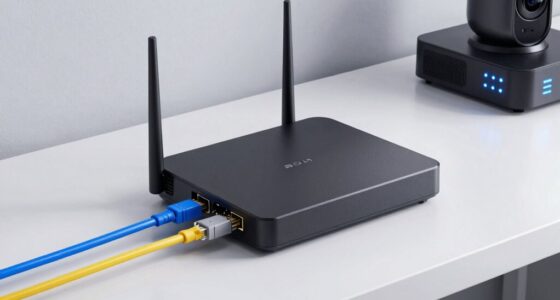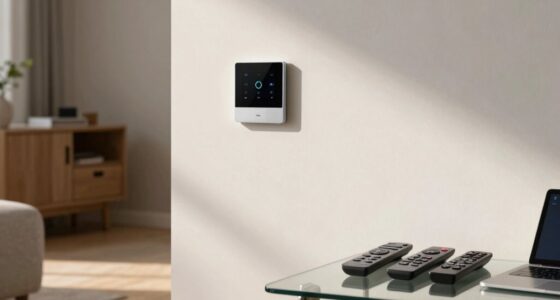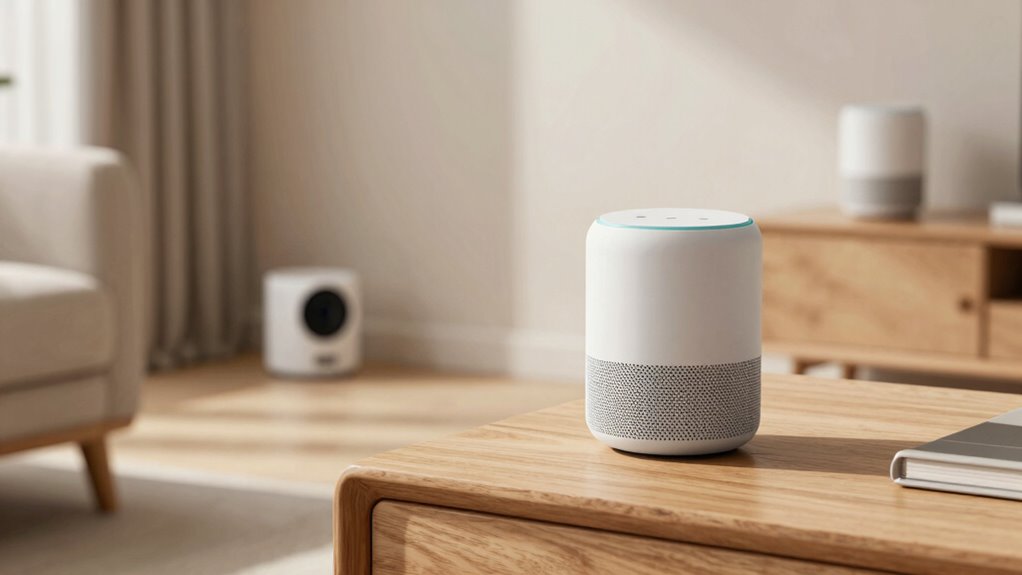

The best first automation for those who hate smart home complexity is to start with voice-controlled devices, like smart speakers or assistants, linked to simple lighting systems. This lets you control lights, switches, or even thermostats with just your voice, without steering through complicated apps. It’s immediate, intuitive, and manageable. Starting with this easy, practical automation helps build confidence in smart tech while making daily routines more convenient—if you want to discover more easy options, keep exploring.

Get baby and family essentials delivered free — and shop member deals
- Fast, free delivery on millions of items
- Access to Prime Big Deal Days deals on October 6–7
- Prime Video, Amazon Music and more included
Key Takeaways
- Start with simple voice-activated devices like smart speakers to control basic functions easily.
- Automate lighting to turn on/off with motion sensors or scheduled routines for effortless energy savings.
- Use voice commands for lighting and climate control to avoid complex app navigation.
- Choose user-friendly, compatible devices with straightforward setup to minimize frustration.
- Focus on automations that enhance daily convenience and savings without requiring technical skills.
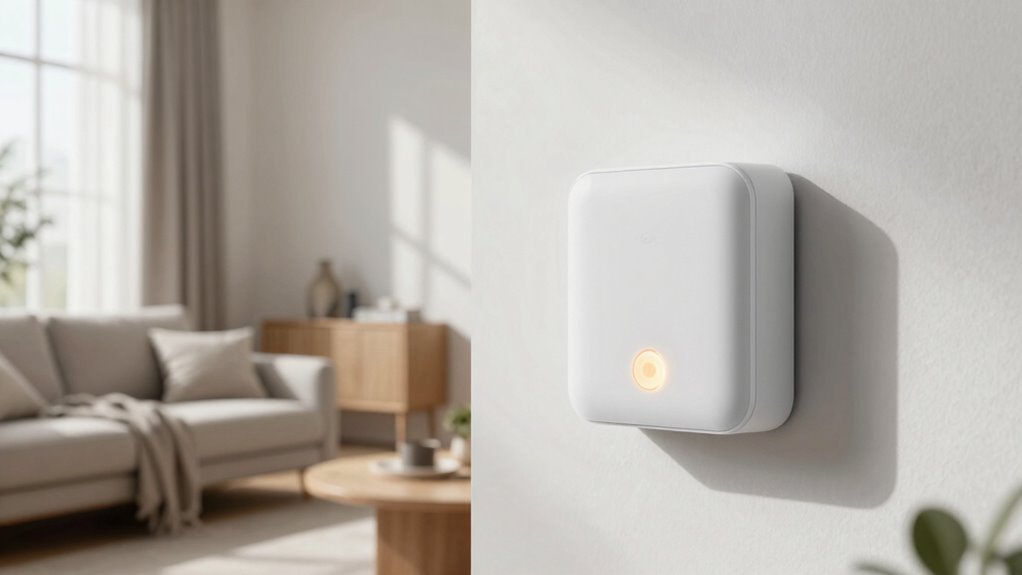
If you find smart home systems overwhelming and prefer simplicity, starting with the right automation can make all the difference. The best first step is to focus on a straightforward automation that offers immediate benefits without complicating your daily routine. One of the simplest and most effective options is installing voice control devices, such as smart speakers or assistants, that connect seamlessly with your existing devices. Voice control allows you to manage your lights, thermostat, and even appliances with just a few spoken commands. This eliminates the need to learn complex apps or navigation systems, making your smart home feel accessible and user-friendly from day one.
Start with simple voice control devices for an easy, accessible smart home experience.
Choosing automation that emphasizes energy savings is another smart move. By automating your lighting and climate control, you can substantially reduce your electricity bills without lifting a finger. For example, setting your smart thermostat to adjust temperatures based on your schedule or turning off lights when you leave a room ensures you’re not wasting energy. These automations are simple to set up and require minimal ongoing management, providing tangible savings and peace of mind. Plus, they tend to integrate well with voice control, so you can ask your smart assistant to turn off the lights or adjust the temperature, making energy-saving habits effortless.
Starting with automation that combines voice control and energy savings also creates a natural entry point into smart home technology. You can begin by connecting a smart speaker to your lighting system. With a few voice commands, you’ll turn lights on or off, set scenes, or even dim lights for movie nights. Simultaneously, these automations help you develop a routine that’s both convenient and cost-effective. Understanding smart home automation better can help you customize your system to suit your needs in the future, especially as you become more comfortable with the technology. Incorporating user-friendly interfaces and simple setup procedures is key to making the transition easier and more enjoyable. As you explore these options, understanding the importance of biodiversity and sustainable practices can inspire you to incorporate eco-friendly devices and habits into your smart home, further aligning your technology use with conservation goals. Additionally, considering home automation standards can ensure your devices are compatible and future-proof your investment.
Most importantly, keep your automation goals realistic. Focus on automations that genuinely improve your daily life without adding complexity. Voice control and energy savings are perfect because they’re intuitive, easy to implement, and immediately rewarding. They let you experience the benefits of a smart home—like convenience and savings—without the frustration of navigating unfamiliar technology. By starting small and prioritizing these simple automations, you set yourself up for a smoother transition into smarter living, all while keeping things straightforward and manageable.
As an affiliate, we earn on qualifying purchases.
Frequently Asked Questions
Can I Set up Automations Without Technical Knowledge?
Yes, you can set up automations without technical knowledge. Many smart home systems offer user-friendly interfaces that guide you through automation customization, making it simple to create routines. You don’t need to worry about user privacy, as reputable platforms prioritize your data security. Start with basic automations, like turning on lights at sunset, and gradually explore more complex setups as you become comfortable, ensuring your smart home feels intuitive and secure.
How Much Does a Basic Smart Home Automation Cost?
A basic smart home automation typically costs between $50 and $200, depending on the devices and features you choose. This investment can lead to energy savings by automating lights and thermostats. However, you should also consider privacy concerns, as some devices collect data. Start with simple, secure options, and gradually expand your setup, balancing cost, energy efficiency, and privacy for the best experience.
Do I Need Specific Devices or Brands?
Think of smart home devices like a team where everyone needs to speak the same language. You don’t need specific brands, but device compatibility and brand interoperability matter. For example, I started with a basic smart bulb and found it worked seamlessly with my existing voice assistant. Focus on devices that follow common standards like Zigbee or Z-Wave. This way, you avoid frustration and keep your setup simple and effective.
Will Automations Work During Power Outages?
Automations typically won’t work during power outages unless you have backup power like batteries or generators. To guarantee control, set up manual overrides so you can operate devices manually if automation fails. Backup power keeps your smart devices running smoothly, even during outages, while manual overrides give you peace of mind, allowing you to maintain control without relying solely on automation systems.
How Secure Are Smart Home Automations?
Smart home automations are generally secure, but you should stay vigilant. Privacy concerns and hacking vulnerabilities exist, so you need to keep your software updated, use strong passwords, and enable two-factor authentication. You’re responsible for safeguarding your devices, just as you’re responsible for protecting your personal information. With proactive measures, you can enjoy the convenience of automation while minimizing risks, feeling confident that your smart home is as secure as possible.
Conclusion
Remember, the journey of a thousand miles begins with a single step. Starting with simple automations can make your smart home feel less overwhelming and more manageable. Don’t let complexity hold you back—embrace small changes that bring big convenience. As you build confidence, you’ll see how technology can truly simplify your life. Keep it simple, take it slow, and soon enough, your smart home will work seamlessly for you.
Fall Picks
fall essentials
As an affiliate, we earn on qualifying purchases.