
To future-proof your smart home, focus on choosing devices that support open standards like Zigbee or Z-Wave, so you can easily add new gadgets later. Make sure your system works with popular voice assistants to stay compatible with future updates. Invest in a strong network and keep firmware updated to boost security and reliability. By selecting flexible, standards-based technology now, you can expand your setup smoothly over time—all while avoiding the need to replace everything at once.
Key Takeaways
- Invest in devices supporting open standards like Zigbee or Z-Wave for seamless future compatibility.
- Prioritize systems compatible with popular voice assistants to ensure easy integration and updates.
- Choose energy-efficient appliances and smart thermostats to adapt to evolving sustainability standards.
- Ensure your network infrastructure is robust and secure to support expanding device ecosystems.
- Regularly update device firmware and software to benefit from security patches and new features.
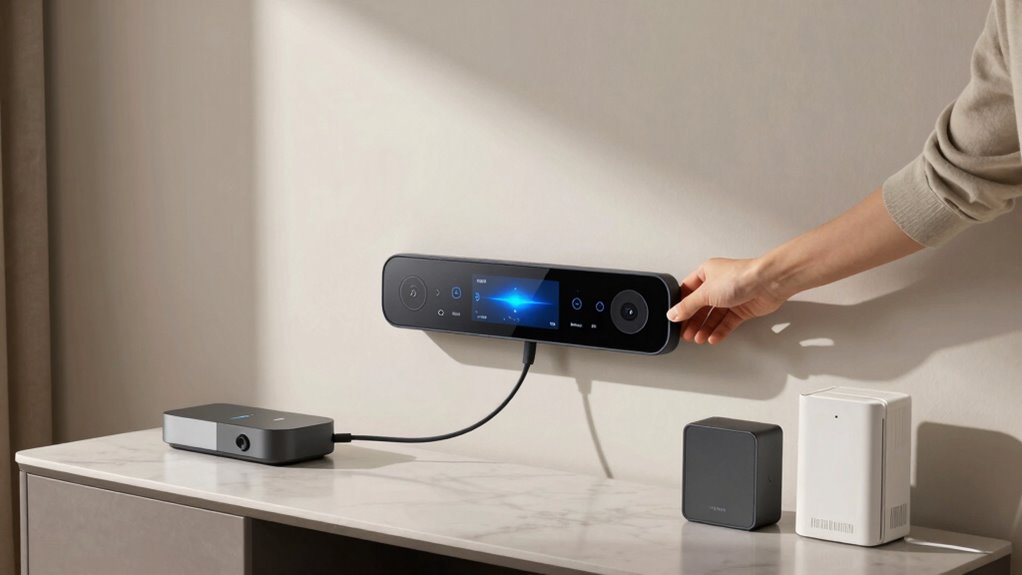
Ever wondered how to guarantee your smart home stays up-to-date as technology evolves? The key is focusing on flexibility and thoughtful planning rather than constantly replacing devices. One of the most effective ways to future-proof your setup is by investing in systems that prioritize compatibility and open standards. When choosing smart devices, look for those that support common protocols like Zigbee or Z-Wave, ensuring they can integrate smoothly with future gadgets or platforms. This way, you won’t be locked into a single brand or ecosystem, making upgrades easier and more cost-effective.
Choose compatible devices supporting open standards like Zigbee or Z-Wave for seamless future upgrades.
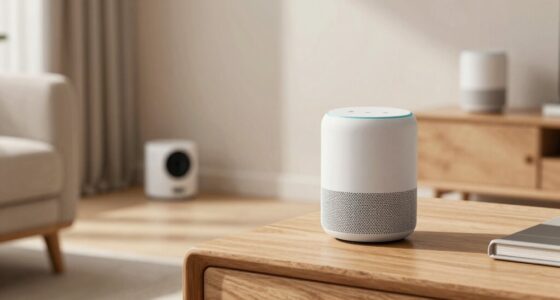
Incorporating voice control into your smart home is a smart move for the future. Voice assistants like Amazon Alexa, Google Assistant, or Apple’s Siri are continually evolving, adding new features and improving compatibility. By choosing devices that support voice commands, you make your home more intuitive and accessible, and you set yourself up for ongoing updates that expand functionality over time. Voice control also simplifies managing your devices, allowing you to adjust lighting, thermostats, or security systems effortlessly, which is especially helpful as your setup grows more complex.
Energy efficiency is another vital factor in future-proofing your smart home. Smart thermostats, lighting, and appliances help you reduce energy consumption, saving money and supporting sustainability efforts. As technology advances, these devices will likely become more sophisticated, offering better automation and control. By initially investing in energy-efficient devices, you’re not only lowering your utility bills but also creating a foundation that can adapt to new energy-saving features and standards. Many smart systems now allow remote monitoring and scheduling, so you can optimize energy use whether you’re home or away.
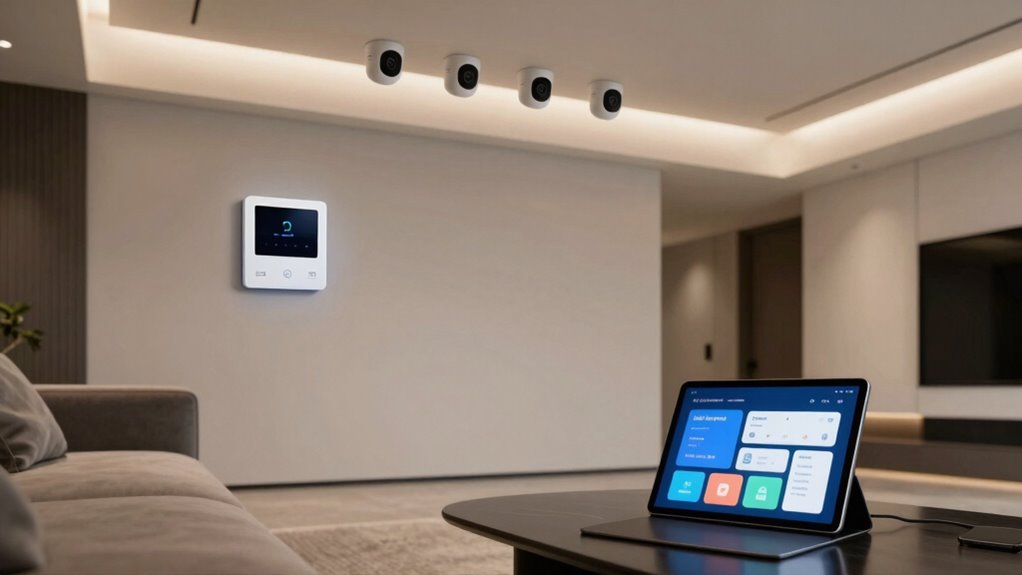
Beyond individual devices, consider the overall network infrastructure of your home. Robust Wi-Fi coverage ensures that all your gadgets stay connected and responsive. Upgrading to a mesh network or high-quality router helps prevent connectivity issues as more devices join your smart home ecosystem. This way, future updates and new devices won’t be hampered by slow or unstable connections. Paying attention to network infrastructure can significantly enhance your smart home’s reliability and scalability. Additionally, choosing devices with built-in security features can help protect your network from potential vulnerabilities as your system expands. Being aware of emerging standards and protocols can also help you select future-compatible devices that can seamlessly integrate as new technologies arrive.
Finally, stay informed about emerging technologies and standards. Regularly updating your system’s firmware and software guarantees you benefit from the latest security patches and features. Choosing devices with a good track record for updates ensures your smart home remains compatible with future innovations. By planning ahead and investing in adaptable, standards-based technology, you can enjoy a smart home that evolves seamlessly, without the need for frequent replacements.
As an affiliate, we earn on qualifying purchases.
Frequently Asked Questions
Can I Upgrade My Smart Home Devices Individually Over Time?
Yes, you can upgrade your smart home devices individually over time. Just make sure to check device compatibility before buying new gadgets, ensuring they work seamlessly with your existing system. This approach offers upgrade flexibility, allowing you to enhance your smart home gradually without replacing everything at once. By selecting compatible devices, you keep your setup current and adaptable, making future upgrades easier and more efficient.
What Security Measures Are Recommended for Future-Proofing a Smart Home?
Did you know 60% of smart home breaches occur due to weak security? To protect your future-proofed smart home, make sure you implement strong encryption protocols and robust access controls. Regularly update device firmware, change default passwords, and enable multi-factor authentication. These measures will help prevent unauthorized access and keep your smart home secure as technology evolves, so you can enjoy smarter living without worries.
How Do I Ensure Compatibility With Emerging Smart Home Standards?
To guarantee compatibility with emerging smart home standards, you should prioritize devices supporting open protocols like Zigbee or Z-Wave, which reduce interoperability challenges. Regularly update your device firmware and choose brands committed to long-term support. Avoid investing solely in proprietary systems that risk device obsolescence. By staying informed on industry trends and standards, you future-proof your setup, making it adaptable as technology evolves without needing complete replacements.
Are There Cost-Effective Ways to Future-Proof My Existing Smart Home?
You can future-proof your smart home affordably by focusing on device integration and energy efficiency. Invest in a robust hub or bridge that unites your devices seamlessly, preventing obsolescence. Prioritize smart appliances with open standards, ensuring they work with future updates. Additionally, upgrading to energy-efficient devices not only saves money but makes your home adaptable to upcoming smart technologies, turning your space into a futuristic haven without breaking the bank.
How Can I Maintain Privacy While Expanding My Smart Home Ecosystem?
To maintain privacy while expanding your smart home ecosystem, you should focus on data encryption and adjusting privacy settings. Enable encryption on all devices and networks to protect your data from hackers. Regularly review and customize privacy settings to limit data sharing and access. Use strong, unique passwords, and consider a separate network for your smart devices. These steps help safeguard your personal information as your smart home grows.
Conclusion
Future-proofing your smart home might seem like an uphill battle, but with these simple steps, you’re well on your way to creating a tech sanctuary that stands the test of time. Think of it as building a fortress that adapts and evolves with every new innovation—so cutting-edge, it makes the future look like yesterday’s news. Stay proactive, keep your software updated, and choose versatile devices; your smart home will be unstoppable, ready to conquer whatever the future throws your way.