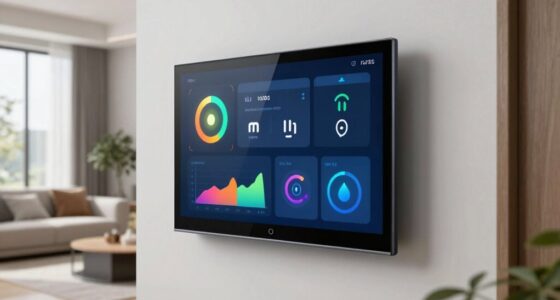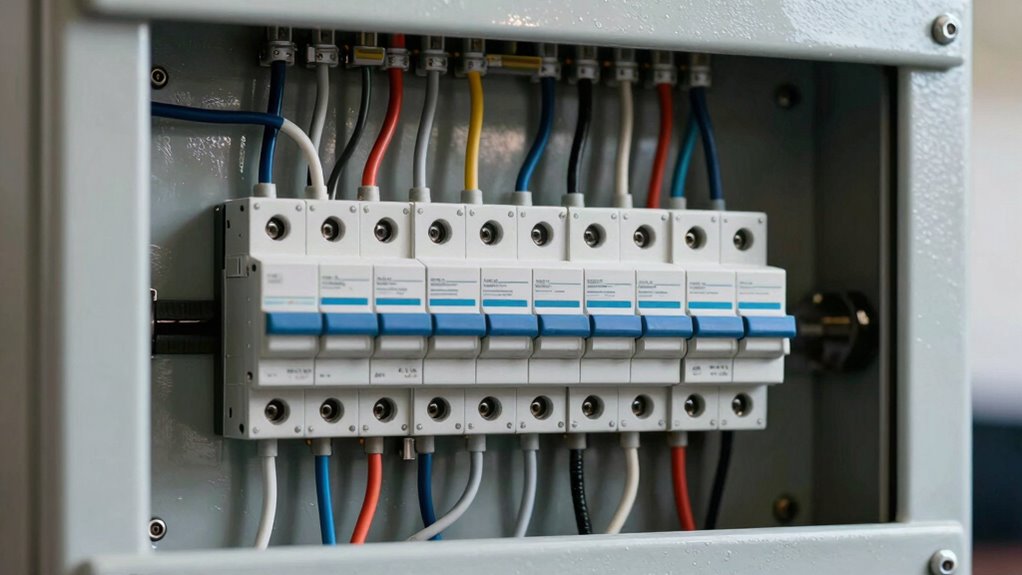

Circuit-level energy tracking gives you a clearer picture of your actual energy use by highlighting how individual appliances and systems consume power. Unlike total energy figures, it uncovers hidden inefficiencies and peak usage times. This detailed insight helps you target specific devices for savings and optimize your energy habits. If you want to understand exactly where your energy goes and discover ways to improve, you’ll find valuable details coming up.
Key Takeaways
- Circuit-level tracking reveals specific high-energy appliances that total usage data may obscure.
- It helps identify inefficiencies and energy waste within individual circuits.
- Granular data enables targeted improvements, unlike broad total consumption figures.
- Real-time circuit data facilitates proactive energy management and cost savings.
- Long-term insights from circuit tracking support strategic decisions for sustainability.
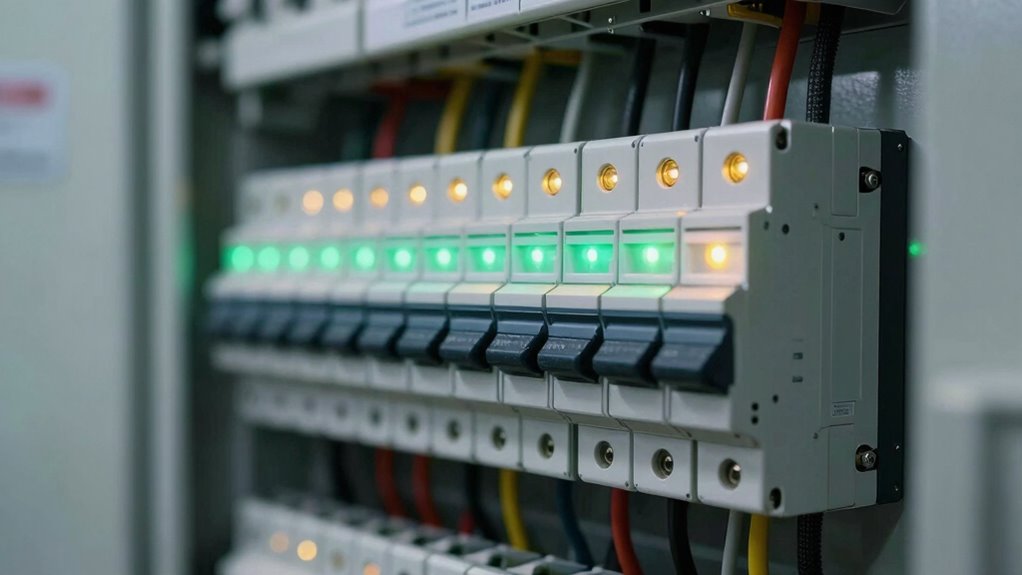
While total energy consumption figures can paint a broad picture, they often mask the true efficiency of individual circuits. That’s where circuit-level energy tracking comes into play, revealing details that total usage data simply can’t capture. Instead of relying on a single meter that aggregates all your energy consumption, smart metering technology allows you to monitor each circuit separately. This approach provides data granularity, meaning you get detailed insights into how much energy each part of your home or building uses. With this level of detail, you can identify inefficiencies and pinpoint the specific appliances or systems that drive high energy consumption.
Circuit-level energy tracking reveals detailed insights that total energy figures often hide, enabling targeted efficiency improvements.
Imagine knowing exactly which circuits are responsible for the most power drain during peak hours. You might discover that your HVAC system, water heater, or even an idle device is consuming more energy than expected. This information empowers you to make targeted adjustments, such as upgrading to more efficient appliances, reprogramming schedules, or simply turning off devices when not needed. Without circuit-level data, these issues remain hidden behind the curtain of total energy figures, leading to missed opportunities for savings. Energy efficiency benefits from this detailed data because it allows for more precise adjustments rather than broad, guesswork-based changes. Additionally, per-circuit monitoring can reveal patterns that help optimize your energy use further.
Smart metering doesn’t just offer real-time data; it also enhances your understanding through detailed reporting. By analyzing data granularity, you can track energy patterns over time, observe how specific behaviors impact overall consumption, and measure the effects of your efficiency measures. This kind of insight makes energy management more proactive rather than reactive. Instead of waiting for a hefty bill to realize your consumption is high, you get immediate feedback, enabling swift action that saves money and reduces your carbon footprint. Additionally, data-driven decision-making can lead to more sustainable and cost-effective energy practices in the long run. Recognizing the importance of detailed data helps you better forecast future energy needs and identify opportunities for long-term improvements.
As an affiliate, we earn on qualifying purchases.
Frequently Asked Questions
How Does Circuit-Level Tracking Improve Energy Efficiency?
Circuit-level tracking improves energy efficiency by giving you detailed insights into your appliance behavior and consumption patterns. When you see exactly which devices use the most power, you can make smarter choices about turning off unused appliances or adjusting usage times. This targeted understanding helps you reduce waste, save money, and optimize your energy habits, ultimately making your home more efficient and eco-friendly.
What Equipment Is Necessary for Circuit-Level Energy Monitoring?
You need a smart meter and power sensors to monitor energy at the circuit level. The smart meter connects to your electrical system and provides detailed data, while power sensors are installed on specific circuits to track their individual energy use. Together, these tools give you precise insights, helping you identify inefficiencies and optimize energy consumption in real-time. This setup is essential for accurate, circuit-level energy monitoring.
Can Circuit-Level Data Identify Specific Energy Waste Points?
Yes, circuit-level data can identify specific energy waste points. It provides appliance-specific insights, showing you which devices consume the most energy. This detailed information helps you spot inefficiencies and optimize usage. Additionally, circuit-level monitoring enables real-time fault detection, alerting you to issues like malfunctions or leaks immediately. By understanding these insights, you can reduce waste and improve your overall energy efficiency effectively.
How Does Circuit-Level Tracking Impact Energy Conservation Strategies?
Circuit-level tracking is like a detective uncovering hidden clues; it helps you craft smarter energy conservation strategies. By analyzing behavior patterns and occupancy insights, you identify when appliances are idle or overused. This targeted approach lets you optimize energy use, reduce waste, and save money. Instead of guessing, you make informed decisions that lead to sustainable habits, ultimately making your energy management more effective and efficient.
Are There Privacy Concerns With Detailed Energy Monitoring?
Yes, there are privacy risks with detailed energy monitoring. Your data security could be compromised if sensitive information about your daily routines is accessed or misused. This detailed data might reveal when you’re home, what appliances you use, or even your habits. To protect yourself, make sure your energy monitoring systems have strong security measures, like encryption, and stay informed about how your data is stored, shared, and protected.
Conclusion
By focusing on circuit-level energy tracking, you see a different story than just looking at total usage. For example, some circuits may consume up to 30% more energy during peak hours, revealing hidden inefficiencies. This insight helps you target specific areas for savings, rather than relying solely on overall consumption numbers. So, next time you check your energy bill, remember that digging deeper can uncover surprising opportunities to cut costs and improve efficiency.