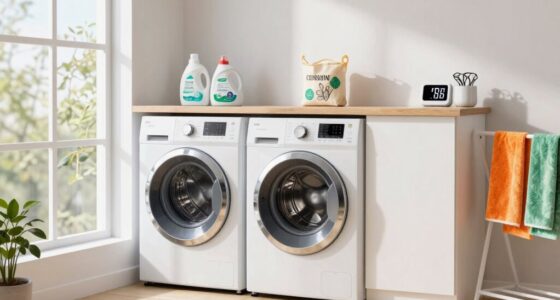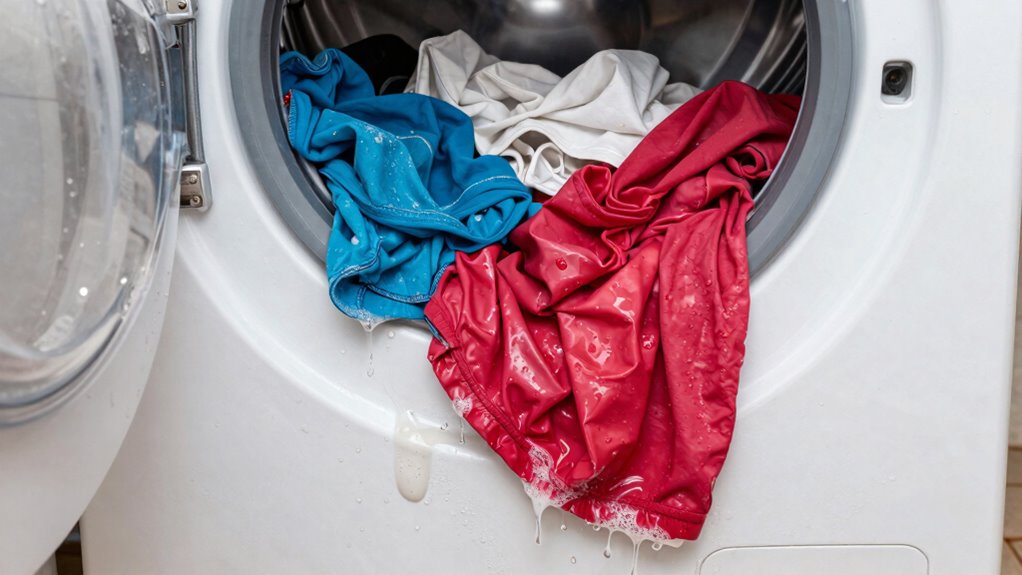

Overfilling your appliances forces them to work harder, which lessens their efficiency and speeds up wear and tear. Too much in your washing machine or refrigerator causes mechanical strain, unbalanced cycles, and poor airflow, increasing energy use and utility bills. This overuse shortens appliance lifespan and leads to costly repairs. If you continue, you’ll discover how proper loading can save you money and keep your appliances running smoothly for longer.

Turn the school run and nap time into listening time
- Thousands of audiobooks, podcasts and originals
- Listen on your phone, tablet or Echo — also offline
- Cancel anytime
Key Takeaways
- Overfilling forces appliances to work harder, increasing energy consumption and reducing efficiency.
- Excess loads cause mechanical strain, leading to quicker wear and higher maintenance costs.
- Overloading disrupts water and detergent circulation, compromising cleaning performance.
- Strained appliances consume more electricity and water, raising utility bills and environmental impact.
- Properly loaded appliances last longer, saving money by preventing premature breakdowns.
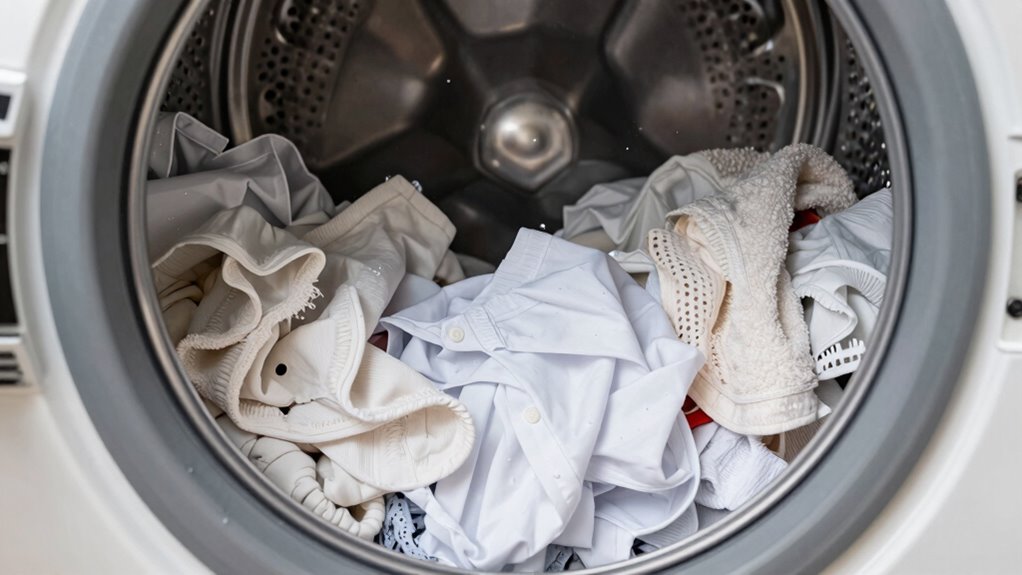
Overfilling appliances might seem like a way to save time and effort, but it often backfires by reducing their efficiency. When you cram too much into your washing machine, dishwasher, or even your fridge, you may think you’re getting more done in less time, but you’re actually inviting problems like energy waste and shortened appliance lifespan. Overloading these machines forces them to work harder than necessary, which means they consume more electricity and water to get the job done. That extra effort translates directly into higher utility bills and unnecessary energy waste that could have been avoided with proper use.
Overloading appliances reduces efficiency, increases energy use, and shortens their lifespan—load them properly for optimal performance.
Your appliances are designed with specific capacities in mind, and pushing those limits can strain their components. For instance, overfilling a washing machine can cause the motor to overheat or the drum to become unbalanced, leading to faster wear and tear. Over time, this stress accelerates the breakdown of vital parts, reducing your appliance’s overall lifespan. The same goes for dishwashers—when they’re overloaded, water and detergent don’t circulate properly, resulting in incomplete cleaning and increased cycle times. This inefficiency not only wastes energy but also shortens the appliance’s functional life because of the added strain on its mechanical parts.
Your refrigerator is no different. Overstuffing it hampers airflow around the food, making the compressor work harder to maintain the right temperature. This extra effort leads to higher energy consumption and puts additional stress on the compressor, which is one of the most expensive parts to replace. The longer your appliances have to operate under these strained conditions, the quicker they wear out, meaning you’ll have to replace them sooner than expected. The cycle of overfilling and overworking creates a pattern of increased energy waste and reduces your appliances’ longevity. Additionally, understanding the capacity limits of your appliances can help prevent these issues before they arise. Proper appliance maintenance can also enhance their efficiency and prolong their lifespan. Being mindful of proper loading techniques can further optimize performance and prevent unnecessary strain.
To get the most out of your appliances, it’s crucial to respect their capacity limits. Proper loading ensures they operate efficiently, conserving energy and extending their lifespan. Not only does this save you money over time, but it also prevents the unnecessary environmental impact caused by excess energy consumption. Taking a few extra minutes to load your appliances correctly can make a significant difference in their long-term performance. By avoiding overfilling, you keep your appliances running smoothly, reduce energy waste, and protect your investment in household equipment. Being aware of how appliance capacity affects performance can help you make smarter choices and avoid costly repairs or replacements.
Frequently Asked Questions
How Can I Tell if I’M Overfilling My Appliance?
You can tell if you’re overfilling your appliance by checking its capacity and filling guidelines. If the appliance is packed tightly, and items don’t have room to move or rinse properly, you’re likely overfilling. Follow the manufacturer’s filling guidelines to avoid this. Overloading can reduce efficiency and increase energy use, so aim for a balanced load that allows water and air to circulate freely, ensuring peak performance.
Do Overfilled Appliances Use More Water or Energy?
Overfilling appliances increases both water waste and energy consumption. Imagine you overload your washing machine; it has to work harder, using more water and electricity to clean thoroughly. This extra effort not only wastes resources but also strains the appliance, potentially shortening its lifespan. By avoiding overfilling, you conserve water, reduce energy use, and help your appliances operate efficiently, saving you money and helping the environment.
Are Certain Appliances More Sensitive to Overfilling?
Certain appliances are more sensitive to overfilling because their load capacity limits how efficiently they operate. For example, washing machines and dishwashers are particularly affected by user behavior, as overloading these appliances can reduce cleaning effectiveness and increase energy use. You should always follow the recommended load capacity to prevent inefficiencies, ensuring your appliances run smoothly and save energy. Properly managing load capacity helps avoid hidden costs associated with overfilling.
Can Overfilling Damage My Appliances Long-Term?
Overfilling your appliances can cause long-term damage, like stressing their internal parts and speeding up wear and tear. Your filling habits directly impact appliance maintenance, making appliances work harder and potentially break down sooner. If you ignore proper filling limits, you risk costly repairs or replacements. So, always follow recommended levels—overstuffing isn’t just a bad habit; it’s a recipe for disaster that could drastically shorten your appliance’s lifespan.
What Are the Signs of Reduced Appliance Lifespan Due to Overfilling?
When your appliances’ load capacity is exceeded, you might notice signs like longer cycle times, increased energy bills, or unusual noises. Overfilling stresses components, leading to more frequent maintenance needs and potentially shorter lifespan. You may also see decreased efficiency or frequent breakdowns. To prevent this, always stick to manufacturer-recommended load capacities, and monitor your appliances for early signs of wear, reducing the risk of costly repairs.
Conclusion
Remember, a little goes a long way. Overfilling your appliances might seem like a smart way to save time or money, but it actually costs you in efficiency and energy. By overloading, you’re forcing your appliances to work harder and consume more power, which defeats the purpose. As the saying goes, “Don’t bite off more than you can chew.” Keep your appliances well-managed, and you’ll save both energy and dollars in the long run.
Fall Picks
fall essentials
As an affiliate, we earn on qualifying purchases.