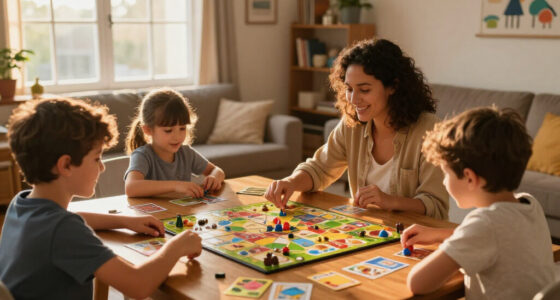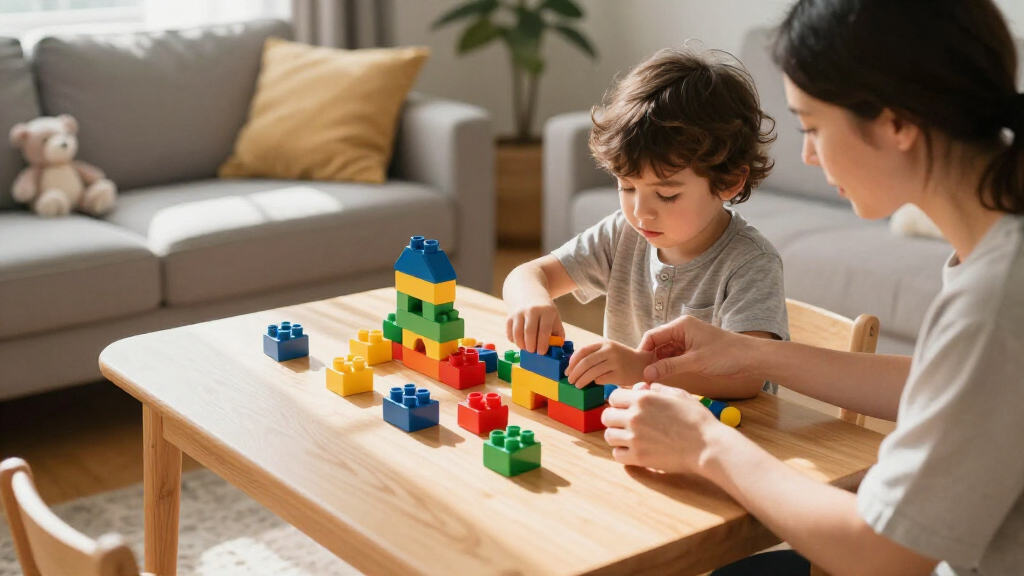

When selecting educational toys for preschoolers, parents and caregivers often face a choice between wooden and plastic options. Both types aim to promote early learning, but they differ significantly in materials, durability, safety, and price. Wooden toys are valued for their natural appeal and longevity, often providing a more traditional, eco-conscious experience. Plastic toys, on the other hand, are generally more colorful, versatile, and feature-rich, appealing to children’s curiosity and offering interactive elements. Understanding these differences helps in choosing toys that best support a child’s developmental needs and fit family values.

Turn the school run and nap time into listening time
- Thousands of audiobooks, podcasts and originals
- Listen on your phone, tablet or Echo — also offline
- Cancel anytime

Magnetic Wooden Fishing Game Toy for Preschoolers, Alphabet Fish Catching & Counting Puzzle
- ✔ Brand: NASHRIO
- ✔ Age Range: 36 months – 3 years
- ✔ Material: Wood

BEESTECH Alphabet ABC Learning Educational Toys for Toddlers
- ✔ Number of flash cards: 28
- ✔ Number of wooden letters: 52
- ✔ Material: Wood
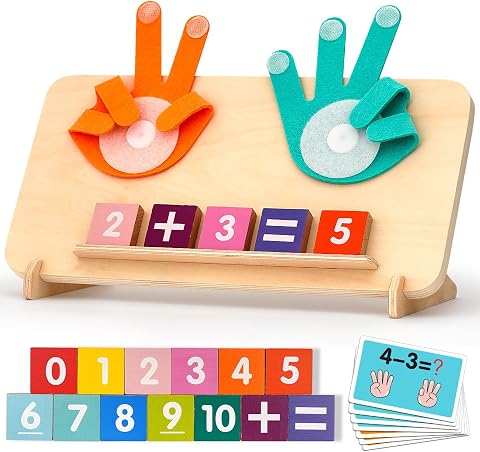
MOTREE Preschool Math Manipulatives Learning Toys for Toddlers 2-4
- ✔ Includes: 1 wooden finger board, 13 colorful number blocks, 8 flash cards, 1 holder
- ✔ Material: Natural basswood with non-toxic water-based paint
- ✔ Recommended Age: 3-5 years
This comparison highlights the key aspects of wooden versus plastic educational toys, focusing on safety, durability, learning engagement, maintenance, environmental impact, and cost. Whether you prioritize sustainability, interactive features, or budget-friendliness, this guide will clarify which option suits your child’s needs best.
At a Glance
| Criteria | Wooden Educational Toys | Plastic Educational Toys | Winner |
|---|---|---|---|
| Material & Safety | Made from natural wood, non-toxic finishes, minimal small parts, eco-friendly | Made from plastic, often with dyes and coatings, some concerns over chemicals | A |
| Durability & Longevity | Very durable, resistant to breakage, ages well over years | Varies widely; some fragile, others very durable with quality manufacturing | A |
| Learning & Engagement | Encourages imaginative play, simple design enhances focus, promotes fine motor skills | Offers interactive features, lights, sounds, and a wide range of themes | B |
| Maintenance & Cleaning | Easy to clean with damp cloth, no special care needed | Requires careful cleaning, some parts may be hard to sanitize | A |
| Environmental Impact | Biodegradable, sustainable source, low environmental footprint | Plastic production involves fossil fuels, less eco-friendly, some recycling options | A |
| Price & Value | Typically higher cost upfront, long-lasting value justifies price | Usually less expensive initially, but may need replacement sooner | B |
| Variety & Appeal | Limited variety but classic, timeless appeal | Extensive variety, vibrant colors, themed sets, and tech integrations | B |
Magnetic Wooden Fishing Game Toy for Preschoolers, Alphabet Fish Catching & Counting Puzzle
This colorful wooden fishing game stands out for combining fine motor skill development with early literacy and numeracy. Kids use a magnetic pole to catch fish with letters and numbers, making it an engaging way to reinforce alphabet and number recognition. Compared with the other options, this toy emphasizes active play and coordination, though its age range limits its applicability for older preschoolers seeking more complex tasks. The sturdy, eco-friendly materials add safety, but the magnetic parts may require careful handling to avoid damage or loss.
Pros:
- Encourages early learning of letters and numbers through active play
- Made from safe, eco-friendly, non-toxic materials
- Helps develop fine motor skills and hand-eye coordination
Cons:
- Limited to children aged 3-5, not suitable for older kids
- Requires adult supervision for younger children
- May be less durable if handled roughly
Best for: Preschoolers aged 3-5 who enjoy interactive, physical play that reinforces early learning skills.
Not ideal for: Older children or those looking for more advanced or screen-free math or literacy activities.
Bottom line: A vibrant, engaging choice for introducing preschoolers to basic literacy and numeracy with a focus on motor coordination.
“A vibrant, engaging choice for introducing preschoolers to basic literacy and numeracy with a focus on motor coordination.”
BEESTECH Alphabet ABC Learning Educational Toys for Toddlers
This set shines for its portability and durability, making it ideal for on-the-go learning and gift-giving. The polished wooden letters and extensive set of flash cards help toddlers learn letters and words through manual placement, fostering fine motor skills and early literacy. Compared with the fishing game, this option is less interactive physically but offers a quieter, more focused activity. Its straightforward design may limit engagement for children who prefer more dynamic play, and manual placement can be slow for some kids.
Pros:
- Durable wooden construction with no sharp edges
- Includes storage bag and gift box for easy organization
- Ideal for early literacy development and portability
Cons:
- Limited to letter recognition, requiring supplemental tools for broader learning
- Manual placement may be slow for some children
- Less suited for children ready for advanced math or complex activities
Best for: Toddlers and preschoolers needing a portable, durable introduction to alphabet recognition, especially for parents seeking gift-ready options.
Not ideal for: Children seeking more interactive or numeracy-focused activities beyond letter recognition.
Bottom line: A practical, durable, and portable toy that effectively supports early letter recognition and makes a great gift for preschoolers.
“A practical, durable, and portable toy that effectively supports early letter recognition and makes a great gift for preschoolers.”
MOTREE Preschool Math Manipulatives Learning Toys for Toddlers 2-4
This set is designed for preschoolers ready to explore basic addition and subtraction. Its combination of a wooden finger board, colorful number blocks, and flash cards makes math concepts tangible and engaging. Unlike the other two options, this toy emphasizes active, hands-on learning to foster early numeracy, but it is limited to basic operations within 10. For children who are not yet comfortable with math or need more advanced tools, this set might feel too simple. Its durable, eco-friendly construction suits both home and classroom environments, though adult supervision can enhance the learning experience.
Pros:
- Encourages early math skills through tactile, interactive play
- Made of non-toxic, eco-friendly materials
- Versatile for preschool, kindergarten, and homeschooling
Cons:
- Limited to basic addition and subtraction within 10
- May require adult supervision for optimal use
- Some kids might prefer digital or more advanced math tools
Best for: Preschoolers and early kindergarteners focusing on foundational math skills, especially those who benefit from tactile, Montessori-inspired learning.
Not ideal for: Children seeking comprehensive math beyond addition and subtraction or more complex problem-solving activities.
Bottom line: An excellent choice for introducing foundational math concepts through hands-on activities, especially suitable for early learners and homeschooling families.
“An excellent choice for introducing foundational math concepts through hands-on activities, especially suitable for early learners and homeschooling families.”
As an Amazon Associate we earn from qualifying purchases.
Key Differences
The core distinction between wooden and plastic educational toys lies in their material composition and the resulting implications for safety, durability, and environmental impact. Wooden toys offer a natural, eco-friendly option that tends to be safer due to fewer chemicals and less clutter of small parts, making them ideal for parents prioritizing sustainability and minimalism. Their robustness ensures they can withstand years of play, often becoming heirlooms, but they typically come with a higher initial price.
Plastic toys excel in offering a vast array of engaging features, such as lights, sounds, and interactive elements that can stimulate a child’s senses and curiosity. They are generally less expensive, making them accessible for a broader range of families, but their durability varies based on quality. Environmental concerns are more prominent with plastic, though some manufacturers now incorporate recycled materials. The choice ultimately depends on whether a parent values longevity and eco-friendliness over variety and technological features.
Detailed Comparison
Material & Safety (Wooden Educational Toys wins — major)
Wooden toys are made from natural, untreated, or non-toxic finishes, minimizing chemical exposure. Plastic toys, while often made with BPA-free and non-toxic plastics, can sometimes contain additives or dyes that raise safety concerns. For children prone to mouthing or chewing, wooden toys are generally safer due to fewer chemical risks. The difference is major in safety implications, especially for younger preschoolers.
Durability & Longevity (Wooden Educational Toys wins — major)
Wooden toys are known for their sturdy build, often handed down through generations, withstanding rough play without breaking. Plastic toys’ durability depends largely on quality; high-grade plastics can last years, but cheaper options may crack or break quickly. In practice, wooden toys often justify their higher price through their longevity, making them a cost-effective choice over time. This is a major advantage for parents seeking lasting value.
Learning & Engagement (Plastic Educational Toys wins — moderate)
Plastic toys frequently incorporate lights, sounds, and interactive features that can captivate a child’s attention and promote sensory development. Wooden toys tend to focus more on open-ended, imaginative play, fostering creativity and fine motor skills without distractions. For engaging sensory experiences, plastic toys have a moderate edge, especially with tech features, but wooden toys excel in fostering deeper cognitive engagement over time.
Maintenance & Cleaning (Wooden Educational Toys wins — minor)
Cleaning wooden toys is straightforward—simply wipe with a damp cloth, and they tend to resist staining or damage. Plastic toys often require more careful cleaning, especially if they have electronic components or textured surfaces that trap dirt. Some plastic toys may need special sanitizing, making maintenance a minor disadvantage for plastic options. Overall, wooden toys are slightly easier to keep hygienic.
Environmental Impact (Wooden Educational Toys wins — major)
Wooden toys are biodegradable and sourced from renewable resources, making them more eco-friendly. Plastic toys, derived from fossil fuels, contribute to pollution and landfill waste, although recycling programs mitigate some impact. For environmentally conscious families, wooden toys clearly have an advantage, though eco-friendly plastic options are emerging. The difference is major in sustainability considerations.
Price & Value (Plastic Educational Toys wins — moderate)
Plastic toys are generally less expensive upfront, making them accessible and allowing for a larger collection for the same budget. Wooden toys cost more initially but tend to last longer, often becoming heirlooms. For families willing to invest more, wooden toys offer better long-term value, whereas budget-conscious buyers may prefer plastic for immediate affordability. The gap is significant depending on financial priorities.
Variety & Appeal (Plastic Educational Toys wins — moderate)
Plastic toys provide a broader selection of themes, colors, and interactive features, appealing to diverse interests and enabling themed playsets. Wooden toys are more limited in variety but are timeless and often more aesthetically neutral, fitting into various decor styles. For children attracted to high-tech, colorful options, plastic wins; for those who prefer simple, classic toys, wooden is preferable. The difference is moderate to major depending on child’s preferences.
Wooden Educational Toys: Pros and Cons
Pros:
- Eco-friendly and biodegradable
- Very durable and long-lasting
- Safe with minimal chemicals
- Easy to clean and maintain
- Timeless aesthetic
Cons:
- Higher initial cost
- Limited variety and features
- Less colorful and interactive
Plastic Educational Toys: Pros and Cons
Pros:
- Wide variety of themes and colors
- Interactive features stimulate senses
- Lower upfront cost
- Lightweight and easy to handle
Cons:
- Less durable, may break or wear out
- Potential chemical concerns
- Environmental impact from plastic use
- More difficult to clean thoroughly
Who Should Choose What
Choose Wooden Educational Toys if:
- Prioritize safety, durability, and eco-friendliness
- Want toys that last for years or become keepsakes
- Prefer natural materials and simple design
Choose Plastic Educational Toys if:
- Seek a wide variety of engaging, tech-inspired toys
- Have a limited budget and want more options for less
- Value colorful, themed sets and interactive features
Value for Money
For families focused on sustainability, safety, and long-term value, investing in wooden toys offers better overall worth despite a higher initial price. Plastic toys may appeal to those needing variety and affordability, but they often require earlier replacement, reducing their long-term value. Consider the child’s preferences and family values when weighing upfront cost versus lasting quality.Final Verdict
Parents seeking safe, durable, and environmentally friendly options should choose wooden toys, especially if they value longevity and minimal environmental impact. Conversely, families looking for engaging, colorful, and diverse play experiences at a lower initial cost will find plastic toys more suitable. The decisive factor is whether sustainability and durability outweigh variety and immediate affordability. For most long-term value and safety, wooden toys present a clear advantage.
Frequently Asked Questions
Are wooden toys really safer for preschoolers than plastic?
Yes, when made with non-toxic finishes, wooden toys generally contain fewer chemicals and pose less risk if mouthing or chewing occurs, making them safer for young children.
Do plastic toys offer enough benefits to justify their environmental impact?
Plastic toys provide extensive variety, interactive features, and affordability, which can justify their use if environmental concerns are less prioritized. Some eco-friendly plastic options are also available, but they are less common.
Can plastic toys last as long as wooden ones?
Durability varies; high-quality plastic toys can last many years but often do not match the longevity of well-made wooden toys, which can be passed down or kept as keepsakes.
Which type of toy is easier to clean?
Wooden toys are generally easier to clean with a damp cloth and are less prone to trapping dirt, whereas some plastic toys may require more careful sanitizing, especially if electronic components are involved.
Is the higher cost of wooden toys justified?
Yes, for families valuing sustainability, safety, and longevity, the higher initial investment often pays off over time through durability and heirloom potential.
Fall Picks
fall essentials
As an affiliate, we earn on qualifying purchases.