
Whole-home air strategies are gaining popularity because they help you enjoy cleaner, healthier indoor air while boosting energy efficiency. By integrating advanced ventilation systems, you can continuously remove pollutants, allergens, and excess moisture, creating a more comfortable living space. These systems operate quietly and require minimal effort, making them ideal for modern homes. If you’re curious about how these solutions can improve your environment, there’s more to discover on how they work and their benefits.

Turn the school run and nap time into listening time
- Thousands of audiobooks, podcasts and originals
- Listen on your phone, tablet or Echo — also offline
- Cancel anytime
Key Takeaways
- Growing awareness of indoor air pollution risks drives demand for comprehensive air quality solutions.
- Advances in ventilation technology enable efficient, automatic air exchange with minimal maintenance.
- Tighter home seals improve energy efficiency but require whole-home systems to manage indoor pollutants.
- Increased focus on health and wellness makes continuous, high-quality indoor air a priority.
- Integration of modern air purification and monitoring technologies enhances overall indoor air management.
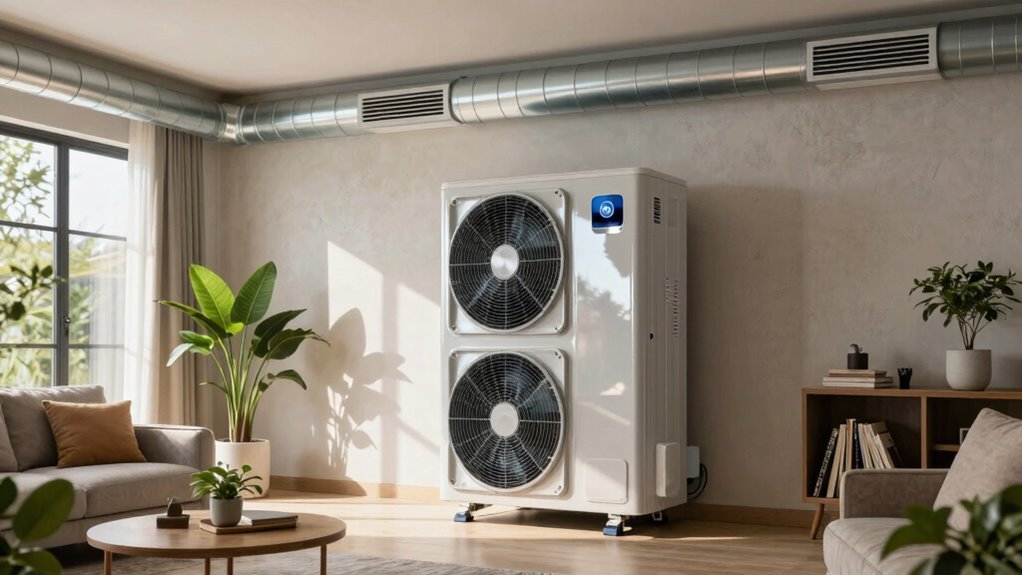
Have you ever wondered how to guarantee every corner of your home breathes clean, healthy air? As indoor air quality becomes a top priority, more homeowners are turning to whole-home air strategies to ensure their living spaces are safe and comfortable. These strategies focus on integrating advanced ventilation systems that work continuously to remove pollutants, allergens, and excess moisture, creating a healthier environment. Instead of relying solely on portable air purifiers or opening windows sporadically, whole-home solutions provide consistent, thorough air filtration and circulation throughout your entire house.
One of the main reasons whole-home air strategies are gaining popularity is their ability to improve indoor air quality markedly. Ventilation systems, especially mechanical ones like heat recovery ventilators (HRVs) and energy recovery ventilators (ERVs), actively exchange stale indoor air with fresh outdoor air. This process not only reduces indoor pollutants but also controls humidity levels, preventing mold growth and dust accumulation. These systems operate quietly and automatically, requiring minimal intervention, which means you get cleaner air without the hassle of manual maintenance or frequent filter replacements. Incorporating ventilation systems is essential for maintaining optimal indoor air quality in modern homes. Additionally, advancements in air exchange technology have made these systems more efficient and easier to integrate into existing home structures. Modern air purification methods work synergistically with ventilation systems to enhance overall air quality.
Whole-home ventilation systems improve air quality, control humidity, and operate quietly with minimal maintenance.
Another factor driving the adoption of these strategies is the increasing awareness of indoor pollutants’ health impacts. Modern homes often have tighter seals to improve energy efficiency, but this can trap indoor toxins and allergens inside. Whole-home air strategies counteract this by ensuring continuous airflow, diluting pollutants, and maintaining ideal indoor air quality. This is especially beneficial if you or your family members suffer from allergies, asthma, or respiratory issues. By integrating ventilation systems into your home’s design, you create a healthier living space that promotes better sleep, enhanced focus, and overall well-being. Implementing comprehensive air solutions can further optimize indoor air quality and ensure consistent comfort throughout your home. Additionally, incorporating indoor air quality monitoring can help you track and optimize these efforts more effectively.
Products Worth Considering

Levoit Vital 100S-P Air Purifier with Washable Pre-Filter

Levoit Core 600S-P Smart Air Purifier for Large Rooms

LEVOIT Vital 200S-P Smart Air Purifier for Large Rooms
As an affiliate, we earn on qualifying purchases.
Frequently Asked Questions
How Much Do Whole-Home Air Strategies Typically Cost?
Whole-home air strategies typically cost between $3,000 and $8,000, depending on your home’s size and the system complexity. When considering the cost comparison, remember these solutions often include new HVAC equipment, air purification, and ventilation upgrades. Budget considerations are vital, but investing in a thorough system can improve indoor air quality and energy efficiency, saving you money in the long run. Always get multiple quotes to find the best value.
Are There Any Maintenance Requirements for These Systems?
Think of your whole-home air system as a garden; regular maintenance keeps it thriving. You’ll need to change air filters regularly to guarantee ideal air quality. Air filter maintenance is crucial for extending your system’s lifespan and preventing issues. Routine inspections and cleanings help catch problems early, maintaining efficiency and performance. With consistent upkeep, your system will serve you well, providing clean air and lasting for years.
Can They Be Installed in Existing Homes?
Yes, whole-home air systems can be installed in existing homes, including historical homes, through retrofit options. Professionals assess your home’s structure and recommend suitable solutions that preserve architectural integrity. Retrofit options guarantee you get efficient air quality improvements without extensive renovations. You can enjoy cleaner, healthier air while maintaining your home’s character, making these systems a practical choice for many homeowners looking to upgrade their indoor environment without major disruptions.
How Long Does Installation Usually Take?
Think of installation as planting seeds in your home’s air garden. Typically, it takes a few days, depending on your home’s size and system complexity. Your contractor selection plays a crucial role—experienced professionals work efficiently, ensuring a smooth installation timeline. Trust their expertise to transform your space quickly, so you can start breathing cleaner, fresher air sooner. Patience and a good contractor make all the difference in this air upgrade journey.
Do These Systems Improve Energy Efficiency Significantly?
Yes, these systems can markedly improve indoor air quality and boost energy savings. By efficiently filtering and circulating air throughout your home, they reduce the workload on your HVAC system, leading to lower energy bills. You’ll notice better indoor air and consistent comfort, especially during extreme weather. Investing in a whole-home air strategy not only enhances air quality but also helps you save energy over time, making it a smart choice.
Conclusion
Remember, a chain is only as strong as its weakest link. Embracing whole-home air strategies guarantees you’re not just fixing isolated issues but creating a healthier, more comfortable environment throughout your entire home. By investing in thorough air solutions, you’re safeguarding your family’s well-being and boosting your home’s efficiency. Don’t wait until problems escalate—think holistically today. After all, a well-rounded approach today keeps the discomforts at bay tomorrow.