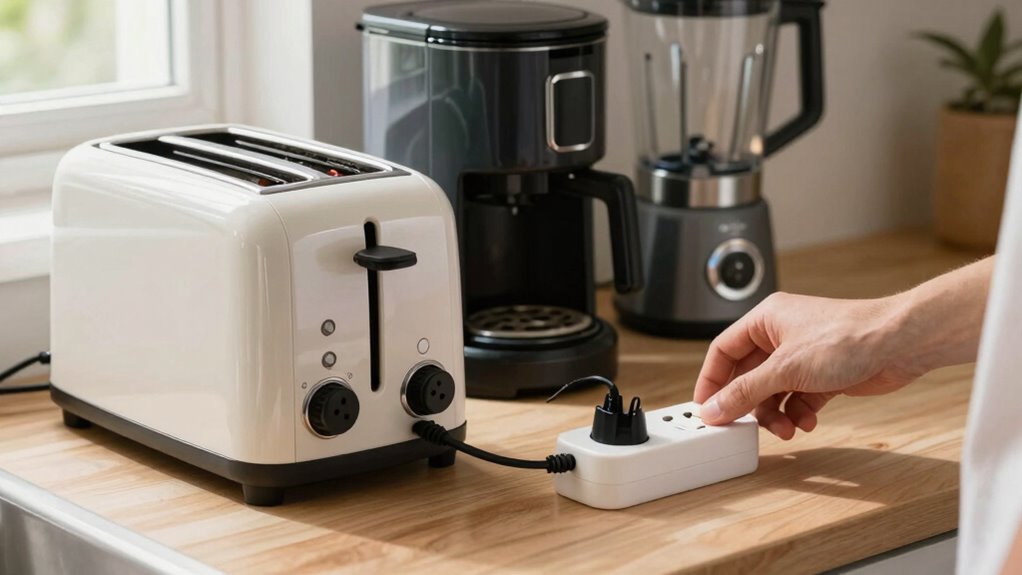

Before you go on vacation, unplug non-essential devices like chargers, coffee makers, and toasters to cut phantom energy use. Power down electronics fully, turn off HVAC systems, and check appliance manuals for safe shutdown tips. Use surge protectors for electronics and inspect cords for damage. Turn off gas appliances and make sure everything is completely unplugged to prevent hazards. Want to know more ways to keep your home safe and energy-efficient during your absence?
Open a free Amazon Business account
Business pricing, bulk buying and tax-exempt orders.
As an affiliate, we earn on qualifying purchases.
Key Takeaways
- Unplug non-essential devices and electronics to eliminate phantom energy consumption.
- Turn off and unplug larger appliances, following manufacturer instructions for safe shutdown.
- Power down HVAC systems and adjust thermostats to conserve energy during your absence.
- Inspect cords and plugs for damage, and ensure all appliances are fully turned off before leaving.
- Use surge protectors and consider smart devices for automated, efficient shutdown processes.
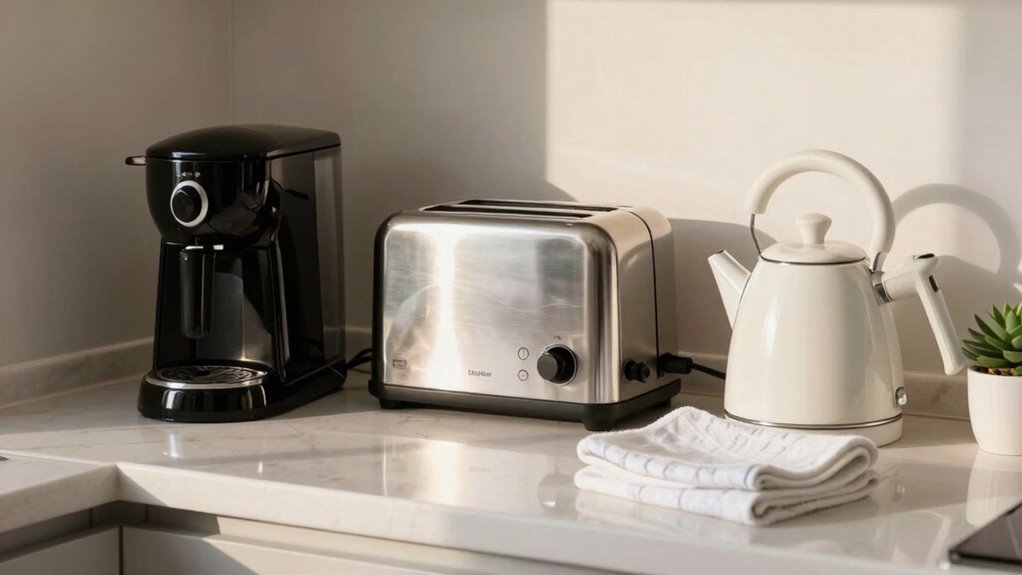
Before you head out on vacation, it’s important to shut down appliances to save energy and prevent potential hazards. Taking the time to properly turn off and unplug devices not only conserves energy but also reduces the risk of electrical fires or damage while you’re away. Proper shutdown procedures help you practice energy conservation, which benefits both your utility bill and the environment. It’s a simple step that ensures your home stays safe and efficient during your absence.
Shutting down and unplugging appliances before leaving conserves energy and enhances home safety during your vacation.
Start by unplugging appliances that aren’t essential, such as chargers, coffee makers, and toasters. These devices continue to draw power even when not in use, a phenomenon known as phantom energy. Unplugging them eliminates this unnecessary energy drain and prevents accidental activation or electrical issues. For larger appliances like your refrigerator, check the manual to see if it’s safe to temporarily turn it off or adjust the thermostat to a higher setting. This reduces energy consumption without risking spoilage, especially if you plan to be gone for an extended period. Additionally, understanding the energy-saving features of your appliances can help you optimize their shutdown process. Incorporating home energy management systems can further streamline the process and enhance overall efficiency. A thorough understanding of your home’s electrical setup can also help you identify potential hazards before leaving. Being aware of electrical safety tips can further protect your home and family.
For electronics like televisions, gaming consoles, and computers, ensure they’re completely powered down before unplugging. Leaving them in standby mode still consumes energy, so shutting them off at the source is more effective for energy conservation. Remember to save any ongoing work and turn off devices properly to avoid data loss or hardware damage. For added safety, consider using surge protectors to shield your electronics from power surges or outages. For HVAC systems, consider adjusting the thermostat to a more energy-efficient setting or turning off the system entirely if you’ll be away for a long time. This not only conserves energy but also prevents the system from running unnecessarily, which can cause wear and tear.
When shutting down appliances, be mindful of safety precautions. Avoid pulling cords out by the cable; instead, grasp the plug firmly and pull straight out. Inspect cords and plugs for signs of damage, and replace any frayed or damaged wiring before you leave. If you have gas appliances, turn off the gas supply to prevent leaks or accidents. Ensure that all appliances are completely powered down, and double-check that no devices are left on or plugged in that could cause problems in your absence. Additionally, smart appliances can help you automate and optimize your shutdown process, making it more efficient.
Taking these steps demonstrates responsible energy conservation and enhances safety precautions around your home. It minimizes fire risks, lowers energy bills, and gives you peace of mind. Before heading off, a quick review of your appliances and a systematic shutdown process will keep your home safe and energy-efficient while you enjoy your vacation, knowing everything is secure and well-prepared for your return.
As an affiliate, we earn on qualifying purchases.
Frequently Asked Questions
Should I Unplug All Appliances or Just Some?
You should unplug unnecessary appliances before vacation to maximize energy savings and protect their lifespan. Large devices like refrigerators, microwaves, and TVs benefit from being unplugged if you’re away for a long time, reducing standby energy use. However, keep essential appliances like your refrigerator plugged in to prevent food spoilage. Unplugging unused electronics not only cuts energy costs but also prevents potential electrical issues, helping your appliances last longer.
How Do I Protect My Appliances From Power Surges?
To protect your appliances from power surges, you should use surge protectors or uninterruptible power supplies (UPS). These devices help prevent damage during voltage spikes. While focusing on energy conservation, unplug appliances not in use to reduce unnecessary power flow. Proper appliance maintenance, like inspecting cords and connections regularly, also minimizes surge risks and extends their lifespan. Taking these steps keeps your appliances safe and efficient.
Is It Necessary to Turn off the Main Breaker?
Turning off the main breaker isn’t always necessary, but it can be a game-changer for appliance maintenance and energy conservation on vacation. If you want to prevent potential electrical disasters and save power, flipping the main breaker guarantees no appliances draw any energy, protecting your home from surges or damage. It’s a simple, effective step that keeps your appliances safe and conserves energy, giving you peace of mind during your time away.
What About Smart Appliances—Do They Need Shutdown?
Smart appliances generally don’t need a full shutdown before vacation thanks to smart device management features. You can set up automated shutdown routines or schedules, which help conserve energy and protect your devices from power surges. However, it’s a good idea to review each appliance’s settings to guarantee they’re configured correctly. This way, you save energy, prevent unnecessary wear, and ensure your smart devices remain secure during your absence.
How Long Should I Leave Appliances Unplugged?
Think of unplugging appliances as giving them a well-deserved rest—usually, 24 to 48 hours is enough. Leaving them unplugged longer won’t boost energy conservation or appliance safety markedly, but it can prevent phantom energy drain. If you’re away for an extended period, unplugging reduces risks of electrical issues. So, unplug your devices, save energy, and keep your appliances safe while you’re gone—it’s a simple, smart move.
Conclusion
By properly shutting down your appliances before vacation, you not only save energy but also reduce the risk of electrical fires—an issue responsible for over 50,000 house fires annually. Taking just a few minutes to unplug devices or turn off switches can save you money and peace of mind. So, before you pack your bags, remember: a quick shutdown keeps your home safe and your energy bills lower. It’s a simple step with big benefits.
NFL season / tailgating Picks
team gear
As an affiliate, we earn on qualifying purchases.