To tell if your washer hose is about to fail, look for visible damage like cracks, bulges, or leaks. Feel the hose for stiffness or sponginess, which indicates wear. Listen for unusual sounds during operation, such as hissing or banging, signaling pressure issues. Keep an eye out for water spots or mold that suggest slow leaks. Regular inspections can help you catch warning signs early and prevent potential floods—continue to find out more helpful tips.

Turn the school run and nap time into listening time
- Thousands of audiobooks, podcasts and originals
- Listen on your phone, tablet or Echo — also offline
- Cancel anytime
Key Takeaways
- Regularly inspect hoses for cracks, bulges, leaks, or swelling indicating deterioration.
- Feel hoses for stiffness or brittleness, signaling loss of flexibility and imminent failure.
- Check fittings for corrosion, looseness, or leaks that may lead to failure.
- Watch for water spots, mold, or slow leaks around the washer area.
- Replace rubber hoses every five years and upgrade to braided stainless steel for enhanced safety.
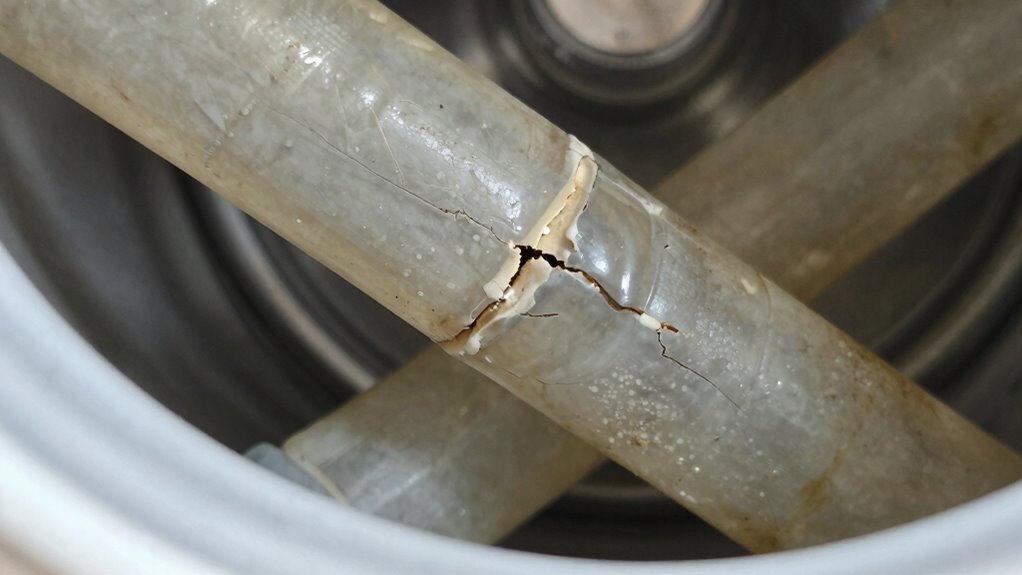
Have you ever wondered how to prevent a costly flood caused by a burst washer hose? The key is recognizing the warning signs early and understanding the role of hose material. Washer hoses come in different types, primarily rubber, reinforced rubber, and braided stainless steel. Rubber hoses are affordable but tend to wear out faster, especially if exposed to constant water pressure and temperature changes. Reinforced rubber hoses have an extra layer of protection, making them more durable. Braided stainless steel hoses are usually the most reliable, resisting kinks and bursting longer. Knowing the material of your hose helps you gauge its lifespan and when it might need replacing.
Warning signs are your best clues to impending failure. Regularly inspect your washer hoses for any visible damage such as cracks, bulges, or leaks. A hose that appears swollen or has a spongy texture is a clear sign it’s deteriorating. Pay close attention to the fittings as well; loose or corroded connections can cause leaks. You might notice water spots or mold around the area, indicating a slow leak that could worsen. Listen for unusual sounds during washer operation, like hissing or banging, which can suggest increased pressure or a compromised hose. Additionally, if your hose feels stiff or brittle when touched, it’s a sign it’s losing flexibility and may soon rupture. Hose material plays a crucial role in determining how long your hose will last and when it’s time for replacement.
Taking proactive steps can save you from the mess and expense of a flood. Regularly check the condition of your hoses—don’t wait until you see obvious damage. Replace rubber hoses every five years, even if they seem fine, because their material weakens over time. Reinforced hoses can last up to ten years with proper maintenance, but keep an eye on warning signs. When it’s time for a replacement, consider upgrading to braided stainless steel hoses—they’re less prone to cracking and bursting. Installing a water leak detector or shut-off valve can add extra protection, alerting you to leaks before they cause damage. Routine inspections are essential for maintaining your washer’s safety and avoiding costly repairs.
Understanding the hose material and recognizing early warning signs give you control over maintaining your washer’s safety. Routine inspections and timely replacements are simple but effective ways to prevent that dreaded flood. Don’t ignore the signs of wear and tear; your home and wallet will thank you. Staying vigilant about your washer hoses ensures you catch problems before they escalate, keeping your laundry room safe and dry.
braided stainless steel washer hose
As an affiliate, we earn on qualifying purchases.
As an affiliate, we earn on qualifying purchases.
Frequently Asked Questions
How Often Should I Replace My Washer Hose?
You should replace your washer hose every 3 to 5 years, following a regular replacement schedule. It’s important to do routine hose inspections for cracks, bulges, or leaks, which indicate wear. If you notice any damage or if the hose is over that age, replace it promptly to prevent potential flooding. Regular maintenance helps avoid costly repairs and keeps your washer functioning safely and efficiently.
Can a Damaged Hose Cause Water Damage?
Yes, a damaged hose can cause water damage. Regular hose inspection helps you spot issues like cracks or bulges early, and leak detection is essential for preventing water damage. If you notice any leaks or deterioration, replace the hose promptly. Ignoring these signs increases the risk of water leaking onto your floor, leading to potential damage to your home and appliances. Stay vigilant for signs of hose damage to avoid costly repairs.
Are Reinforced Hoses More Durable?
Reinforced hoses are more durable, but don’t be fooled—they’re not invincible. The reinforced material adds strength against pressure and wear, making them a smarter choice than standard hoses. When comparing durability, these hoses stand out, resisting punctures and tears longer. Still, no hose is immortal. Use them properly, inspect regularly, and remember, even the toughest hose can fail if you ignore signs of wear.
What Tools Are Needed to Replace a Washer Hose?
To replace a washer hose, you’ll need basic tools like adjustable pliers or a wrench, and possibly a bucket or towels to catch any water. Tool selection is essential for a smooth replacement process; choose tools that fit the hose fittings securely. Turn off the water supply first, then disconnect the old hose carefully. Attach the new hose, tighten fittings, and turn the water back on, checking for leaks.
How Do I Dispose of an Old Washer Hose Properly?
You should dispose of your old washer hose responsibly by checking local recycling options, as improper disposal can harm the environment. Many recycling centers accept rubber and plastic parts, reducing environmental impact. If recycling isn’t available, consider repurposing the hose for DIY projects or safely discarding it in designated waste facilities. Always prioritize environmentally friendly methods to minimize your carbon footprint and support sustainable waste management practices.
Conclusion
Regularly inspecting your washer hose can prevent costly water damage—did you know that burst hoses cause over $300 million in damages annually? By staying alert for cracks, leaks, or bulges, you can spot trouble before it erupts. Remember, a simple visual check every few months saves you from messy surprises and expensive repairs. Keep your laundry routine smooth and stress-free by giving your hoses the attention they deserve—peace of mind is just a quick inspection away.
Fall Picks
fall essentials
As an affiliate, we earn on qualifying purchases.