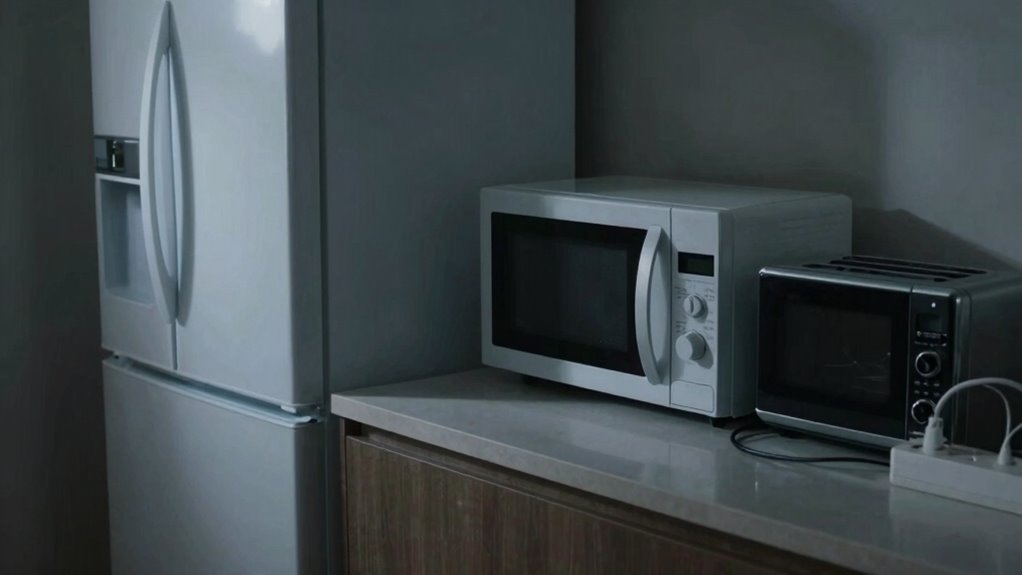

Before restarting appliances after a power outage, inspect your electrical system thoroughly. Turn off and unplug sensitive devices, and check your circuit breaker panel for damage or trip issues. Look for visible damage like frayed wires or burn marks, and be cautious of flickering lights or frequent outages, which could signal bigger problems. Reset breakers carefully and reconnect devices one at a time, watching for sparks or smells. To guarantee safety and learn more, see what steps you should take next.

Turn the school run and nap time into listening time
- Thousands of audiobooks, podcasts and originals
- Listen on your phone, tablet or Echo — also offline
- Cancel anytime
Key Takeaways
- Inspect the circuit breaker panel for damage, scorch marks, or tripped breakers before restoring power.
- Check outlets and wiring for visible damage, frayed wires, or burn marks.
- Turn off sensitive or expensive devices before restoring power to prevent surges.
- Reconnect appliances gradually, starting with essential ones, and monitor for abnormalities.
- Consult a licensed electrician if you notice sparks, burning smells, or repeated breaker trips.
After a power outage, it’s essential to take a few precautions before turning your appliances back on. The first step is to prioritize electrical safety. Power surges can occur when electricity is restored, potentially damaging your appliances or causing electrical hazards. To minimize risks, avoid plugging in or turning on multiple devices at once. Instead, plug in essential appliances one at a time, giving the system a moment to stabilize. Make sure your hands are dry and that your workspace is clear of any water or moisture, as these can increase the risk of electrical shock.
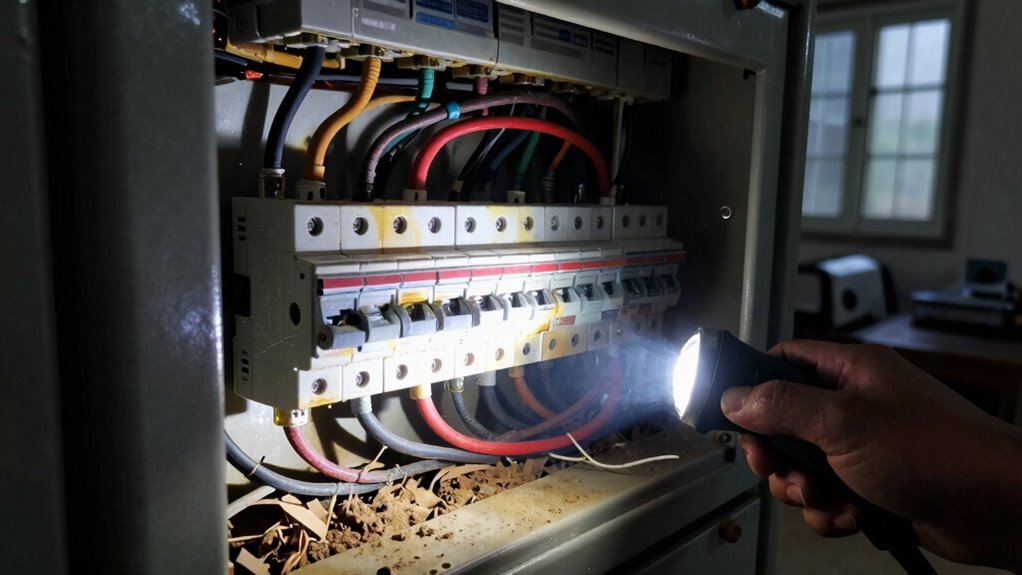
Next, conduct a thorough circuit inspection before restoring power to your appliances. Turn off and unplug devices, especially those that are sensitive or expensive. Inspect your circuit breaker panel for any signs of damage or scorch marks, which could suggest underlying issues. If you notice any tripped breakers, reset them carefully, but don’t force a breaker back on if it immediately trips again. This could indicate a short circuit or overload that needs professional attention. It’s wise to identify and resolve these issues before reconnecting appliances, to prevent further electrical problems or fire hazards. Additionally, understanding your electrical system can help you better diagnose potential risks and avoid common pitfalls.
Before flipping any switches or restoring power, check your home’s wiring and outlets for visible damage. Frayed wires, burn marks, or loose connections should be addressed by a licensed electrician. If you experience frequent outages or notice flickering lights, don’t ignore these signs—they could point to a larger electrical issue that needs professional diagnosis. Remember, electrical safety isn’t just about avoiding shocks; it’s about ensuring your wiring and circuits are safe and capable of handling your appliances’ power needs. Being familiar with circuit breaker operation can help you respond quickly and correctly in such situations.
Once you’re confident that your circuit inspection is complete and your electrical system is safe, gradually restore power. Turn on your circuit breaker and then reconnect devices one by one. Start with essential appliances like refrigerators or medical equipment, which are more vulnerable to power fluctuations. Monitor how your system responds during this process. If you notice any abnormal sparks, burning smells, or if the breaker trips again, shut everything down and call an electrician. Never push a circuit beyond its limits, especially after a power outage, without proper inspection. It’s also important to understand your electrical system to prevent future issues and ensure safety.
Taking these steps helps protect your home and appliances from damage and ensures your electrical system functions reliably. Prioritize electrical safety and circuit inspection, and always consult professionals if you’re unsure about any aspect of your electrical system. This approach lets you safely restore power and prevent future issues.
Frequently Asked Questions
Can a Power Surge Occur After an Outage?
Yes, a power surge can occur after an outage. To protect your appliances, guarantee you have surge protection in place, like surge protectors or whole-house systems. Before restarting devices, perform a circuit inspection to spot any damage or faults caused by the surge. This helps prevent further issues, ensuring your appliances operate safely and efficiently once power is restored. Always stay cautious after an outage.
Should I Reset My Circuit Breakers?
You should definitely reset your circuit breakers, especially since studies show that 60% of outages cause tripped breakers. When you do, perform an appliance inspection first to guarantee no damage occurred. Resetting your circuit breaker restores power safely, but skipping this step might risk electrical issues. Always turn off and inspect appliances before restarting them, and then carefully reset your circuit breaker to prevent further problems.
Is It Safe to Use Extension Cords?
Yes, it’s safe to use extension cords if you follow proper cord usage and prioritize safety. Always choose heavy-duty cords designed for your intended load, and avoid overloading them. Make sure cords are in good condition, free from damage or frays, and keep them away from water or heat sources. Proper extension cord safety minimizes risks of electrical hazards, so double-check connections and avoid running cords under carpets or furniture to prevent overheating.
How Long Should I Wait Before Turning Appliances Back On?
You should wait at least a few minutes after power restoration before turning appliances back on. This pause guarantees appliance safety, allowing any voltage fluctuations to stabilize and preventing potential damage. Rushing to restart appliances too quickly can cause electrical surges or shorts. By giving the power system time to normalize, you protect your devices and ensure they operate safely once turned on, reducing the risk of malfunctions.
Do I Need to Check My Home’s Wiring?
Yes, you should check your home’s wiring after a power outage. Conduct a careful electrical inspection to identify any damage, loose connections, or exposed wiring. Faulty wiring can cause shorts or sparks when appliances restart, risking safety. If anything looks suspicious or you’re unsure, it’s wise to call a professional electrician. Taking these cautious steps keeps your home safe and prevents potential electrical emergencies.
Conclusion
After a power outage, always double-check your appliances and electrical systems before turning everything back on. This simple step can prevent potential damage and guarantee safety. Did you know that according to the U.S. Fire Administration, electrical malfunctions from power surges cause over 45,000 fires annually? Taking a few extra moments now can save you from costly repairs and hazards later. Stay vigilant, and you’ll keep your home safe and appliances running smoothly.
Fall Picks
fall essentials
As an affiliate, we earn on qualifying purchases.